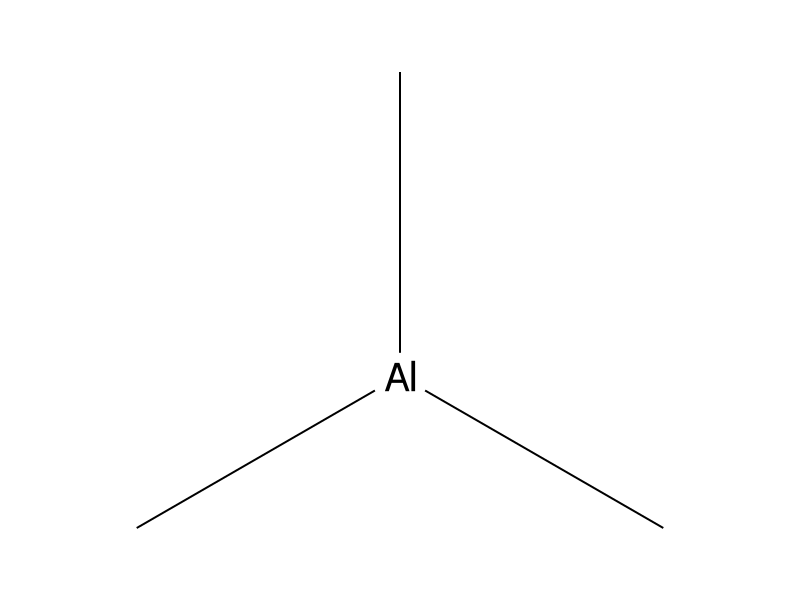
Hydrochloric Acid → 2,3-Dihydro-N-[(4-methoxy-6-methylpyrimidin-2-yl)aminocarbonyl]-2-methyl-1H-indole-7-sulfonamide
반응식

[CH3:1][CH:2]1[CH2:10][C:9]2[C:4](=[C:5]([S:11]([NH2:14])(=[O:13])=[O:12])[CH:6]=[CH:7][CH:8]=2)[NH:3]1.C[O:16][C:17](=O)[NH:18][C:19]1[N:24]=[C:23]([O:25][CH3:26])[CH:22]=[C:21]([CH3:27])[N:20]=1.C[Al](C)C.Cl>C(Cl)Cl.C1(C)C=CC=CC=1>[CH3:26][O:25][C:23]1[CH:22]=[C:21]([CH3:27])[N:20]=[C:19]([NH:18][C:17]([NH:14][S:11]([C:5]2[CH:6]=[CH:7][CH:8]=[C:9]3[C:4]=2[NH:3][CH:2]([CH3:1])[CH2:10]3)(=[O:13])=[O:12])=[O:16])[N:24]=1참가 물질
7