Chloroacetaldehyde → 2,4,6-Tris(chloromethyl)-1,3,5-trithiane
HRID 2122018
반응식

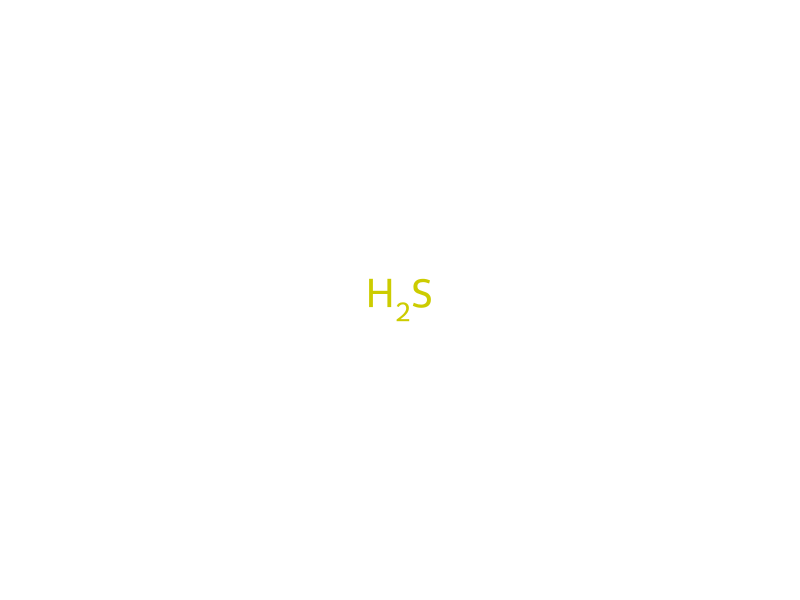
[Cl:1][CH2:2][CH:3]=O.[SH2:5]>S(=O)(=O)(O)O>[Cl:1][CH2:2][CH:3]1[S:5][CH:3]([CH2:2][Cl:1])[S:5][CH:3]([CH2:2][Cl:1])[S:5]1참가 물질
4



실험 절차
One typical example of the method for producing an episulfide compound of the invention, 2,4,6-tris(epithiomethylthiomethyl)-1,3,5-trithiane (a compound of the general formula (1) wherein n is 0), is shown as Scheme 1 mentioned below. An aqueous 40 wt. % chloroacetaldehyde solution is dissolved in 70 wt. % sulfuric acid, and hydrogen sulfide is introduced thereinto at −20 to 40° C. for 2 to 100 hours to give 2,4,6-tris(chloromethyl)-1,3,5-trithiane. Alternatives to sulfuric acid as the acidic solvent include any of 60/40 (v/v) 95 wt. % sulfuric acid-acetic acid, or hydrogen sulfide-saturated acetic acid, ether, or 95 wt. % ethanol. To the resulting methanol solution of the thus-formed chlorine compound is added potassium hydroxide with which the chlorine compound is processed at −10 to 40° C. for 0.5 to 10 hours for removal of hydrogen chloride from it to give 2,4,6-trimethylene-1,3,5-trithiane. This is thermally reacted with 3-mercaptopropene sulfide at 0 to 100° C. for 6 to 100 hours in the presence of a radical generator (described below), to obtain the intended product, 2,4,6-tris(epithiomethylthiomethyl)-1,3,5-trithiane.