Hydrochloric Acid → DE(2-chloro)-4-chloro-icerguastat
HRID 2215162
반응식

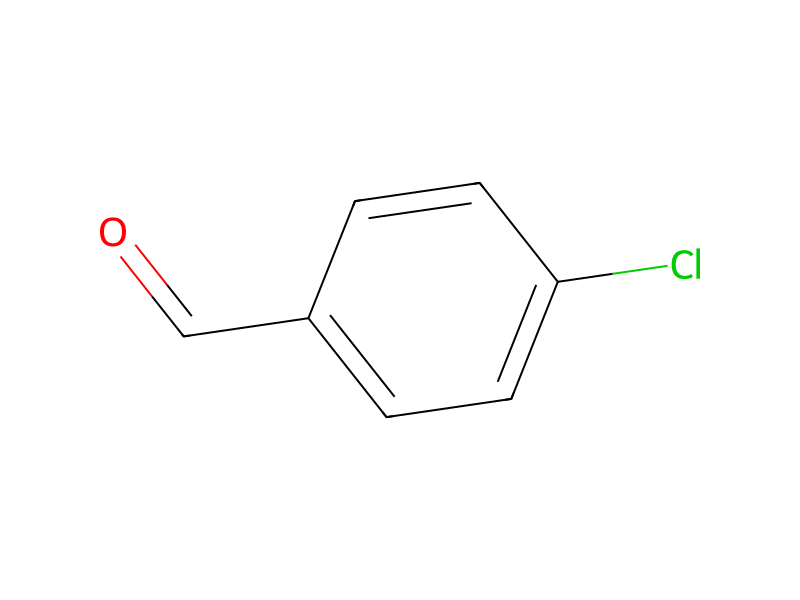
[Cl:1][C:2]1[CH:9]=[CH:8][C:5]([CH:6]=O)=[CH:4][CH:3]=1.Cl.C(=O)(O)O.[NH2:15][NH:16][C:17]([NH2:19])=[NH:18].[OH-].[K+]>>[Cl:1][C:2]1[CH:9]=[CH:8][C:5](/[CH:6]=[N:15]/[NH:16][C:17](=[NH:18])[NH2:19])=[CH:4][CH:3]=1참가 물질
5




실험 절차
A mixture of 4-chlorobenzaldehyde (2.0 g, 10.2 mmol), 20% hydrochloric acid (4 mL) was added to an aminoguanidine bicarbonate (1.39 g, 10.2 mmol) aqueous solution, and heated to reflux for 4 h. A solution of 40% aqueous potassium hydroxide (7 mL) was added dropwise, the mixture was heated at reflux for 10 min and the precipitate formed. The precipitate was filtered, washed with water, and recrystallized from ethanol to give 2-[(E)-1-(4-chlorophenyl)methylidene]-1-hydrazinecarboximidamide (1.77 g, 88%) as a yellow solid.