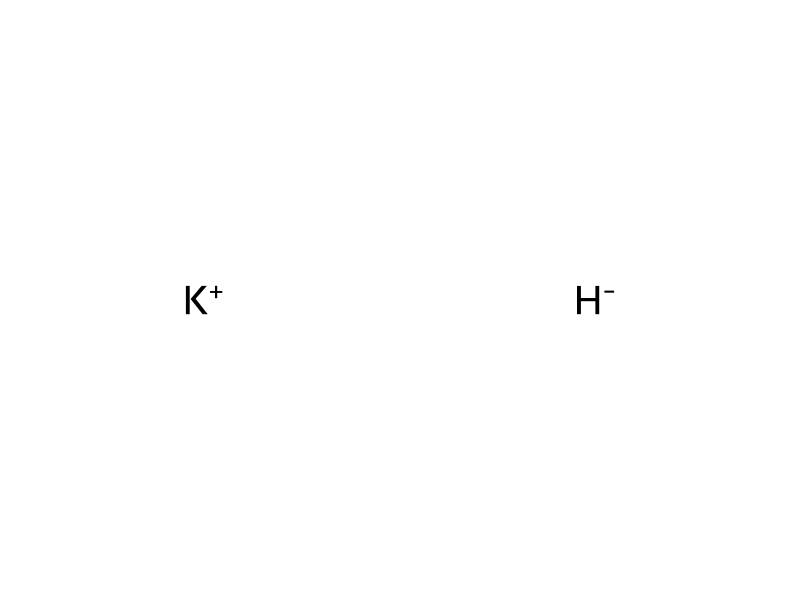
A mixture of 5-fluoro-3-methyl-1H-indole (2.91 g, 19.5 mmol) and potassium hydride 50% dispersion in mineral oil (2.8 g, 35.1 mmol) in dichloromethane (40 mL) was stirred for 10 minutes under nitrogen at room temperature. A solution of [(2R,3R)-3-phenyloxiran-2-yl]methanol (2.0 g, 13.0 mmol) and titanium isopropoxide (4.3 mL, 14.3 mmol) in dichloromethane (10 mL) was then added and the mixture was stirred at room temperature for 12 hours. After disappearance of the epoxide, the mixture was partitioned between a 1N aqueous solution of hydrochloric acid (50 mL) and ethyl acetate (50 mL). The organic layer was separated, washed with saturated sodium bicarbonate (50 mL), dried over anhydrous sodium sulfate, filtered, and concentrated in vacuo. The crude product was purified via Biotage chromatography (FlasH40i, silica, 60% ethyl acetate/hexane) to give (2S,3S)-3-(5-fluoro-3-methyl-1H-indol-1-yl)-3-phenylpropane-1,2-diol. MS (ESI) m/z 300.