delta-Gluconolactone → (2R,3S,4R,5R)-2,3,4,5,6-Pentahydroxy-N-[3-(triethoxysilyl)propyl]hexanamide
반응식

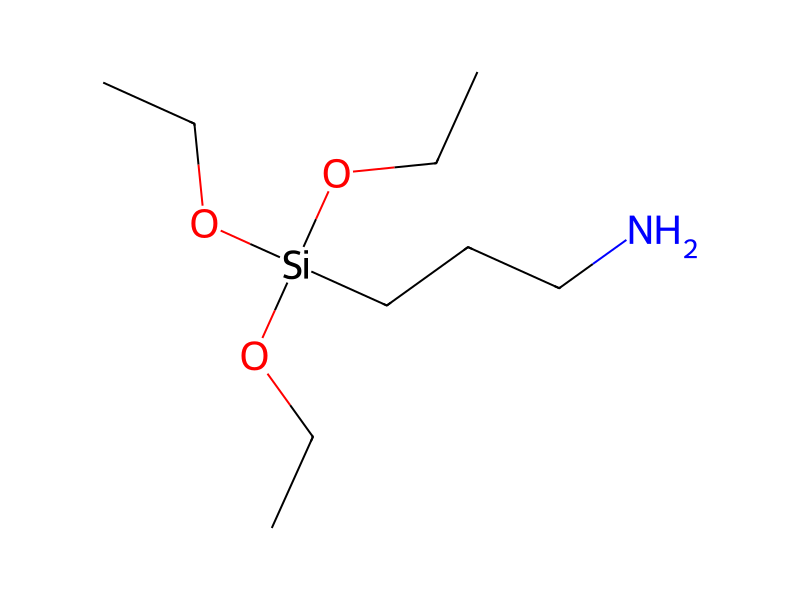
[CH2:1]([OH:12])[C@H:2]1[O:8][C:6](=[O:7])[C@H:5]([OH:9])[C@@H:4]([OH:10])[C@@H:3]1[OH:11].[NH2:13][CH2:14][CH2:15][CH2:16][Si:17]([O:24][CH2:25][CH3:26])([O:21][CH2:22][CH3:23])[O:18][CH2:19][CH3:20]>>[CH2:22]([O:21][Si:17]([O:24][CH2:25][CH3:26])([O:18][CH2:19][CH3:20])[CH2:16][CH2:15][CH2:14][NH:13][C:6]([C@@H:5]([C@H:4]([C@@H:3]([C@@H:2]([CH2:1][OH:12])[OH:8])[OH:11])[OH:10])[OH:9])=[O:7])[CH3:23]참가 물질
3


실험 절차
In this work, sol-gel precursors that are based on covalent linkage of D-gluconolactone or D-maltonolactone to aminopropyltriethoxysilane to form N-(3-triethoxysilylpropyl)gluconamide (GLTES-1) or N-(3-triethoxysilylpropyl)maltonamide. (MLTES-2) were prepared. Diglycerylsilane (DGS), GLTES, MLTES and allylgluconamide (allyGL) were prepared by methods described above. For DGS based sol-gel preparations, sols were prepared by sonicating DGS (400 mg, 1.34 mM) and water (1000 L) at 0iC for 45 min to hydrolyze the monomer. The resulting sol was mixed with equal portions of Tricine buffer (25 mM, pH 7.8) containing 5 mM MgSO4, 0.1 mg.mL−1 BSA, 0.5 mM DTT and 0.5 mM EDTA. The buffer also contained either 0.2 M allylGL or a range of concentrations of GLTES or MLTES, respectively, to obtain a sugar/DGS molar ratio of 0.05, 0.1, 0.15, 0.2 or 0.25. Immediately after vortexing the sol, a solution of Firefly luciferase from Photinus pyralis was added at a volume ratio of 30:1 sol:enzyme solution. The sol was very briefly and carefully mixed to obtain a homogeneous solution and was then loaded in portions of 62 L into a 96-well white microplate. The total quantity of protein per well was 200 ng (3 pM). TEOS-derived materials were prepared using a similar procedure, except that DGS was replaced by a TEOS-derived sol that was prepared by sonicating with a diluted hydrochloric acid, as described elsewhere.22 The concentration of the enzyme in all gels was the same. TEOS was also prepared by a procedure in which the hydrolyzed sol containing TEOS was combined with an equal volume of deionized water and rotoevaporated until the volume was reduced to half,70 with the aim of removing the ethanol liberated during the hydrolysis. The obtained sol was then mixed with the buffer solution and the enzyme as described above. Sodium silicate-based gels were prepared from 0.9 mL sodium silicate solution and 4 mL of water. This solution was agitated for 1 min with 2.0 g Dowex 50WX8-100 resin and vacuum filtered consecutively through a filter paper in a Buchner funnel and a 0.45 M membrane filter with the aid of a syringe.71 The resulting sol was then combined with the buffer and the enzymes in the same proportions as for previous sols. In all cases, the plates were covered with Parafilm™ and over each well a small orifice was opened with a syringe in order to allow slow drying of the gel. The gel was aged at 4iC for 5 days forming a glass disk that adhered to the bottom of the wells.