홈MCPSkills워크벤치OpenChem
홈워크벤치알림마이페이지
llms.txt · skill.md · MCP 가이드개인정보처리방침 · 이용약관 · 지원v1.8.5
  1. 홈
  2. /반응

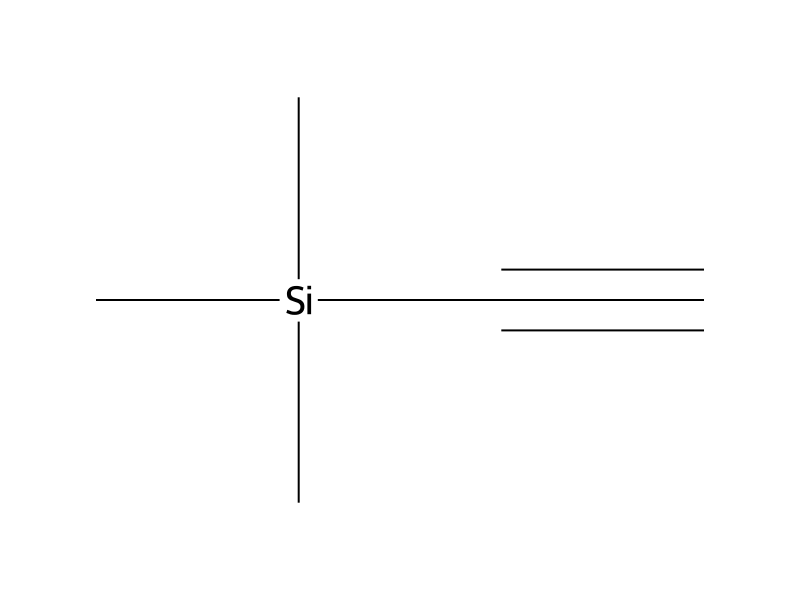
Trimethylsilylacetylene → 4-(2-trimethylsilylethynyl)-3-(2,3,4,6-tetra-O-pivaloyl-beta-D-glucopyranosyloxy)-1H-indazole

HRID 2223943
인쇄

반응식

Br[C:2]1[CH:10]=[CH:9][CH:8]=[C:7]2[C:3]=1[C:4]([O:11][C@@H:12]1[O:38][C@H:37]([CH2:39][O:40][C:41](=[O:46])[C:42]([CH3:45])([CH3:44])[CH3:43])[C@@H:29]([O:30][C:31](=[O:36])[C:32]([CH3:35])([CH3:34])[CH3:33])[C@H:21]([O:22][C:23](=[O:28])[C:24]([CH3:27])([CH3:26])[CH3:25])[C@H:13]1[O:14][C:15](=[O:20])[C:16]([CH3:19])([CH3:18])[CH3:17])=[N:5][NH:6]2.[CH3:47][Si:48]([C:51]#[CH:52])([CH3:50])[CH3:49]>C(N(CC)CC)C.C(OCC)C.[Pd].C1(P(C2C=CC=CC=2)C2C=CC=CC=2)C=CC=CC=1.C1(P(C2C=CC=CC=2)C2C=CC=CC=2)C=CC=CC=1.C1(P(C2C=CC=CC=2)C2C=CC=CC=2)C=CC=CC=1.C1(P(C2C=CC=CC=2)C2C=CC=CC=2)C=CC=CC=1.[Cu]I>[CH3:47][Si:48]([CH3:50])([CH3:49])[C:51]#[C:52][C:2]1[CH:10]=[CH:9][CH:8]=[C:7]2[C:3]=1[C:4]([O:11][C@@H:12]1[O:38][C@H:37]([CH2:39][O:40][C:41](=[O:46])[C:42]([CH3:45])([CH3:44])[CH3:43])[C@@H:29]([O:30][C:31](=[O:36])[C:32]([CH3:33])([CH3:34])[CH3:35])[C@H:21]([O:22][C:23](=[O:28])[C:24]([CH3:25])([CH3:26])[CH3:27])[C@H:13]1[O:14][C:15](=[O:20])[C:16]([CH3:19])([CH3:18])[CH3:17])=[N:5][NH:6]2
참가 물질반응 조건실험 절차후처리출처 및 근거반응 노트

참가 물질

7

반응물 2

HCID 66111TrimethylsilylacetyleneHCID 673407304-Bromo-3-(2,3,4,6-tetra-O-pivaloyl-beta-D-glucopyranosyloxy)-1H-indazole

생성물 1

HCID 673414354-(2-trimethylsilylethynyl)-3-(2,3,4,6-tetra-O-pivaloyl-beta-D-glucopyranosyloxy)-1H-indazole

시약·촉매·용매 4

HCID 24350Copper(1+) iodide; Copper(I) iodide; Cuprous iodide; Cuprous iodide (CuI)촉매
HCID 11979704
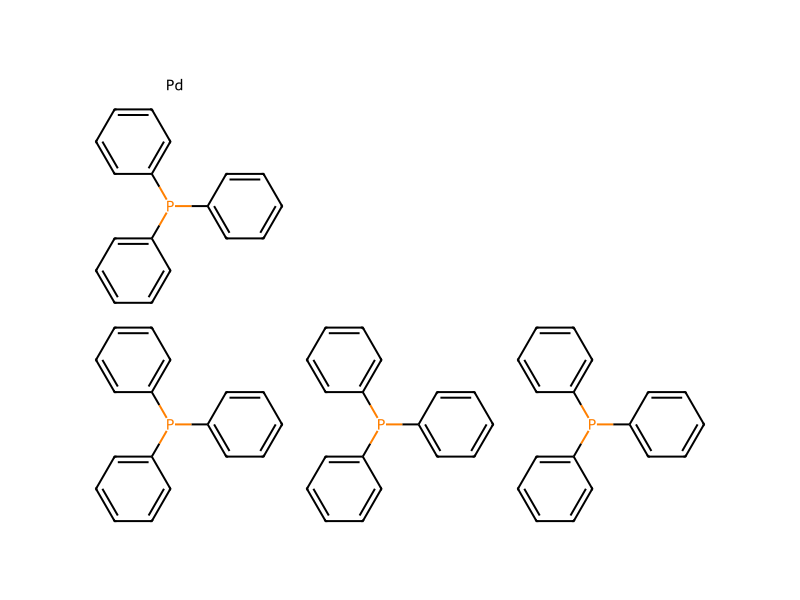
Tetrakis(triphenylphosphine)palladium
촉매
HCID 3283Diethyl Ether용매
HCID 8471Triethylamine용매

반응 조건

온도
80 °C

실험 절차

To a solution of 4-bromo-3-(2,3,4,6-tetra-O-pivaloyl-β-D-glucopyranosyloxy)-1H-indazole (0.5 g) in triethylamine (5 mL) were added trimethylsilylacetylene (0.2 mL), tetrakis (triphenylphosphine) palladium (0) (81 mg) and copper (I) iodide (27 mg), and the mixture was stirred at 80° C. under an argon atmosphere overnight. The reaction mixture was cooled to room temperature and diluted with diethyl ether. The insoluble material was removed by filtration. The filtrate was washed with water and brine, and dried over anhydrous sodium sulfate. The solvent was removed under reduced pressure, and the residue was purified by column chromatography on silica gel (eluent: n-hexane/ethyl acetate=4/1-3/1-2/1) to give 4-(2-trimethylsilylethynyl)-3-(2,3,4,6-tetra-O-pivaloyl-β-D-glucopyranosyloxy)-1H-indazole (0.4 g). This material was dissolved in tetrahydrofuran (5 mL). To the solution was added tetra(n-butyl) ammonium fluoride (0.15 g), and the mixture was stirred at room temperature for 1 hour. The reaction mixture was poured into 0.5 mol/L hydrochloric acid, and the resulting mixture was extracted with ethyl acetate. The extract was washed with water and brine, and dried over anhydrous sodium sulfate. The solvent was removed under reduced pressure, and the residue was purified by column chromatography on silica gel (eluent: n-hexane/ethyl acetate=2/1-1/1) to give the title compound (0.33 g).

후처리

  1. temperatureThe reaction mixture was cooled to room temperature
  2. customThe insoluble material was removed by filtration
  3. washThe filtrate was washed with water and brine
  4. dry with materialdried over anhydrous sodium sulfate
  5. customThe solvent was removed under reduced pressure
  6. customthe residue was purified by column chromatography on silica gel (eluent: n-hexane/ethyl acetate=4/1-3/1-2/1)

출처 및 근거

ORD 기록
ord-1a8ad176bec74e318d8aeff9453baf7c
출처 데이터셋
uspto-grants-2008_05
DOI
10.6084/m9.figshare.5104873.v1
특허 번호
US07375113B2

반응 노트

이 페이지에서참가 물질반응 조건실험 절차후처리출처 및 근거반응 노트