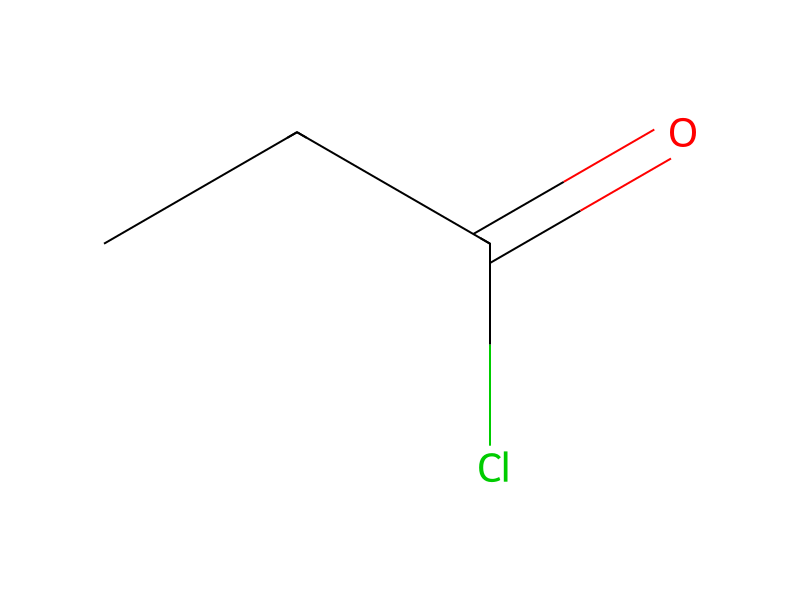
Propionyl chloride → 6-Propionyl-1-isopropyl-2,3,3,5-tetramethyl indan
HRID 223116
반응식

[Al+3].[Cl-].[Cl-].[Cl-].[CH:5]([CH:8]1[C:16]2[C:11](=[CH:12][C:13]([CH3:17])=[CH:14][CH:15]=2)[C:10]([CH3:19])([CH3:18])[CH:9]1[CH3:20])([CH3:7])[CH3:6].[C:21](Cl)(=[O:24])[CH2:22][CH3:23]>[N+](C)([O-])=O>[C:21]([C:14]1[CH:15]=[C:16]2[C:11]([C:10]([CH3:19])([CH3:18])[CH:9]([CH3:20])[CH:8]2[CH:5]([CH3:7])[CH3:6])=[CH:12][C:13]=1[CH3:17])(=[O:24])[CH2:22][CH3:23]