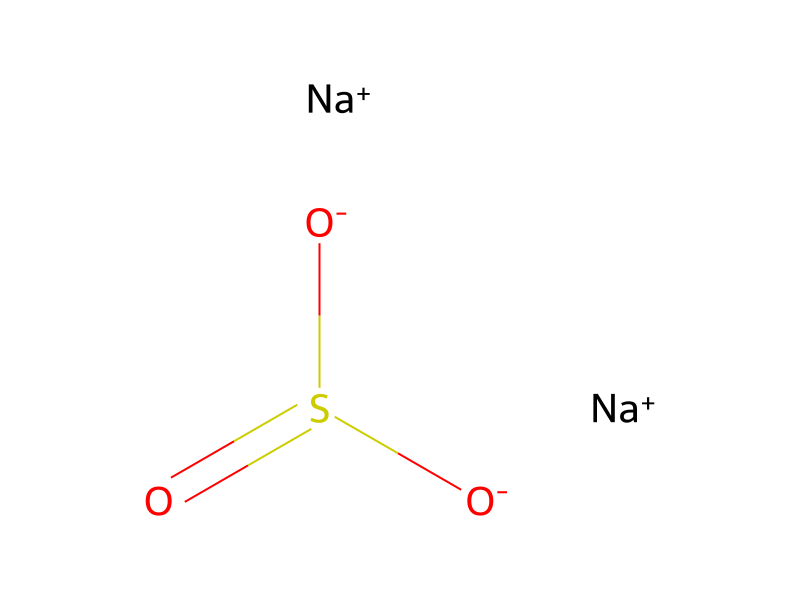
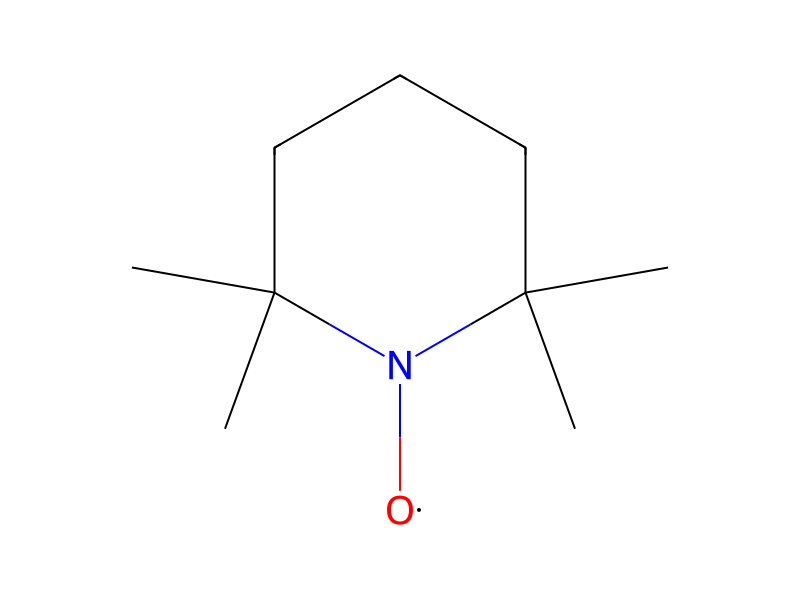
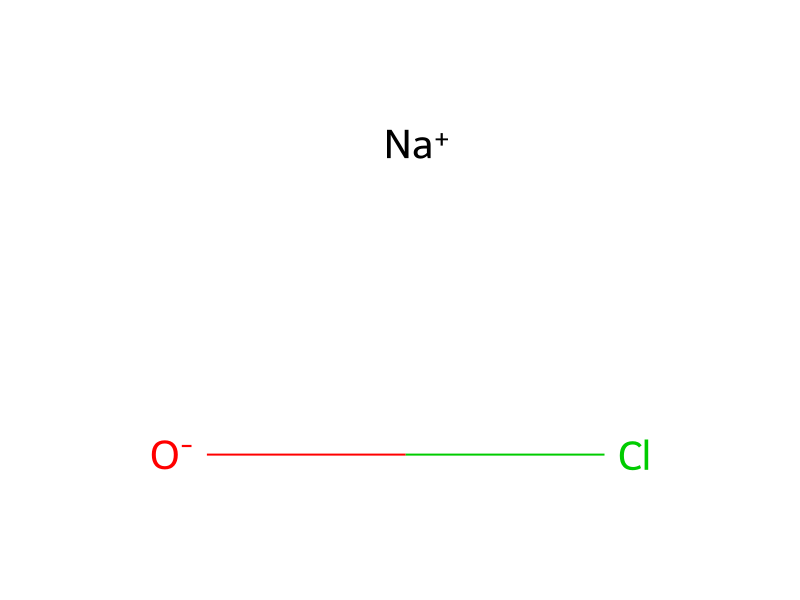
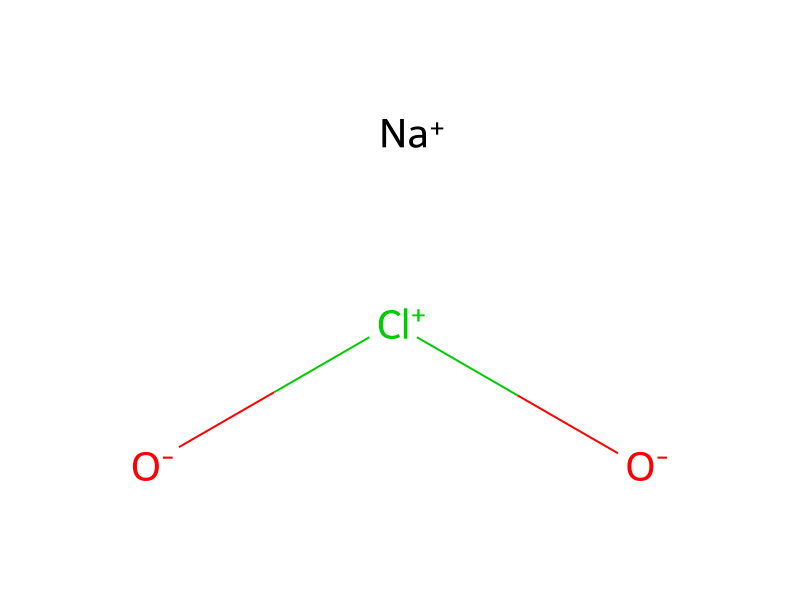
1-Ethyl-5-(hydroxymethyl)-3,3-dimethyl-2-pyrrolidinone (0.366 g, 2.1 mmol), sodium chlorite (0.387 g, 4.3 mmol), and a 1M aqueous sodium phosphate monobasic buffer solution (2.46 ml, 2.46 mmol) were combined in acetonitrile (3 ml) and heated to 40° C. A few crystals of TEMPO (2,2,6,6-tetramethyl-1-piperidinyloxy free radical) and approximately 1 drop of bleach (sodium hypochlorite solution, available chlorine >12%) were then added to the mixture and stirring continued at 40° C. for 4 hrs. The mixture was then poured onto ice containing 1% w/w sodium sulphite and the resulting mixture was extracted with ethyl acetate (×3). The combined organic extracts were washed with saturated aqueous sodium chloride and then dried over magnesium sulphate and concentrated to give 1-ethyl-4,4-dimethyl-5-oxoproline (0.392 g) as a white solid which was used without additional purification. LC/MS [M+H]+=186.