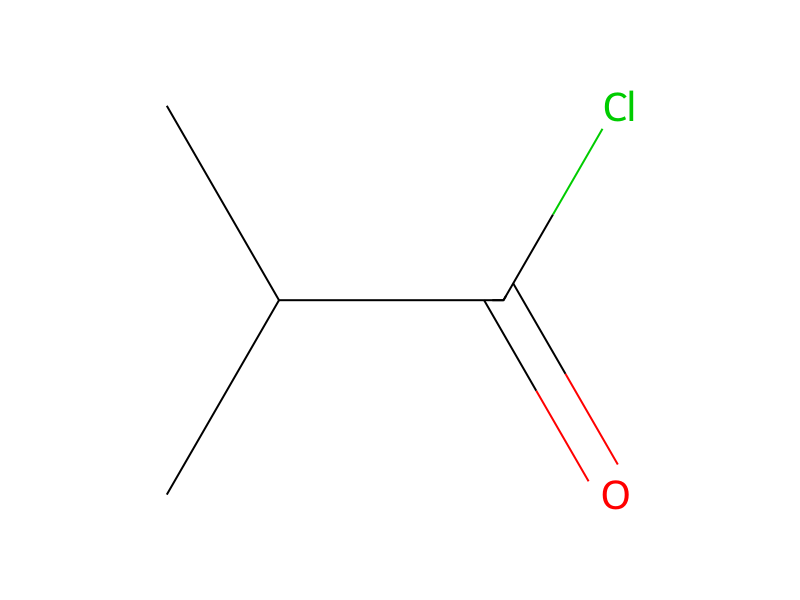
To a stirred solution of isobutyryl chloride (5.4 ml) in DCM (250 ml) was added tin (IV) chloride (5.8 ml) at -10° C. under nitrogen. After stirring for 15 minutes in the cooling bath, 2-(1H-pyrrol-1-yl)-1H-isoindole-1,3(2H)dione (10.0 g) was added portion-wise. The reaction mixture was allowed to warm to room temperature, and stir for three days, at which time it was poured into cold water. The layers were separated and the organic phase was washed twice with water, once with 5% HCl (aq.), and subsequently dried (MgSO4). Filtration and concentration gave the crude product. Purification via preparative HPLC (silica gel, DCM) afforded 2.5 g of the product as a solid, m.p. 147°-149° C.