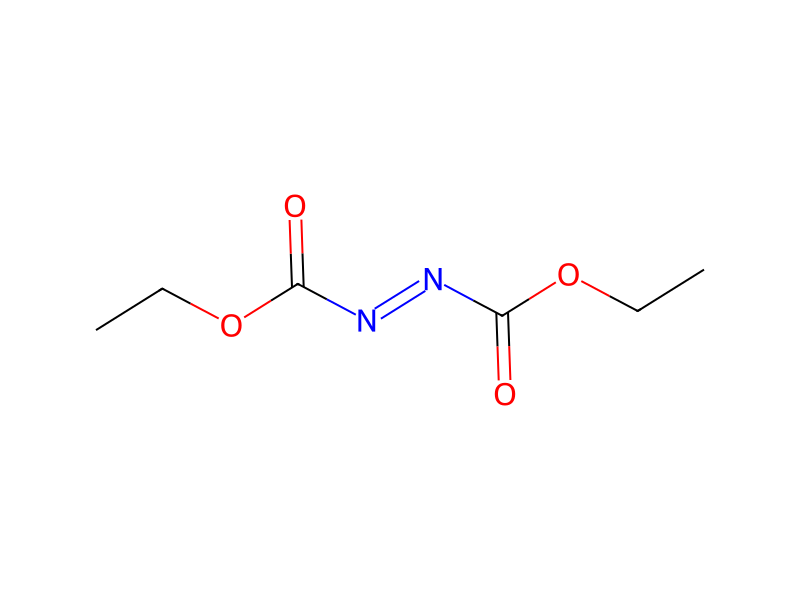
[F:1][C:2]1[C:10]2[C:9](Cl)=[N:8][CH:7]=[N:6][C:5]=2[NH:4][CH:3]=1.C([O:20][C@:21]1([CH3:46])[C@H:26]([O:27]C(=O)C2C=CC=CC=2)[C@@H:25]([CH2:36][O:37]C(=O)C2C=CC=CC=2)[O:24][CH:22]1O)(=O)C1C=CC=CC=1.C1(P(C2C=CC=CC=2)C2C=CC=CC=2)C=CC=CC=1.[N:66](C(OCC)=O)=NC(OCC)=O>C1COCC1>[NH2:66][C:9]1[C:10]2[C:2]([F:1])=[CH:3][N:4]([C@@H:22]3[O:24][C@H:25]([CH2:36][OH:37])[C@@H:26]([OH:27])[C@@:21]3([CH3:46])[OH:20])[C:5]=2[N:6]=[CH:7][N:8]=1To a solution of the compound from Step C (0.075 g, 0.44 mmol), 2,3,5-tri-O-benzoyl-2-C-methyl-D-ribofuranose [Harry-O'kuru, Rogers E.; Smith, Jennifer M.; Wolfe, Michael S, “A Short, Flexible Route toward 2′-C-Branched Ribonucleosides,” J. Org. Chem., 62: 1754-1759 (1997)] (4-5) (0.25 g, 0.53 mmol) and triphenylphosphine (0.23 g, 0.88 mmol) in THF (15 mL) was added diethyl azodicarboxylate (DEAD) (0.14 mL, 0.88 mmol). The reaction mixture was stirred at room temperature overnight. The solution was directly adsorbed onto silica gel and purified over silica gel using ethyl acetate/hexane 1:9 as the eluent Appropriate fractions were dissolved in dioxane (3 mL) and liquid ammonia (4 mL) and the mixture was heated in a steel bomb at 85° C. for 24 h. The solvent was evaporated and the residue was purified over silica gel using methanol/dichloromethane (1:9) as the eluent. Fractions containing the desired compound were pooled and evaporated in vacuo to give the title compound.