홈MCP워크벤치Skills
홈워크벤치알림마이페이지
llms.txt · MCP 가이드개인정보처리방침 · 이용약관 · 지원v1.8.1
  1. 홈
  2. /반응

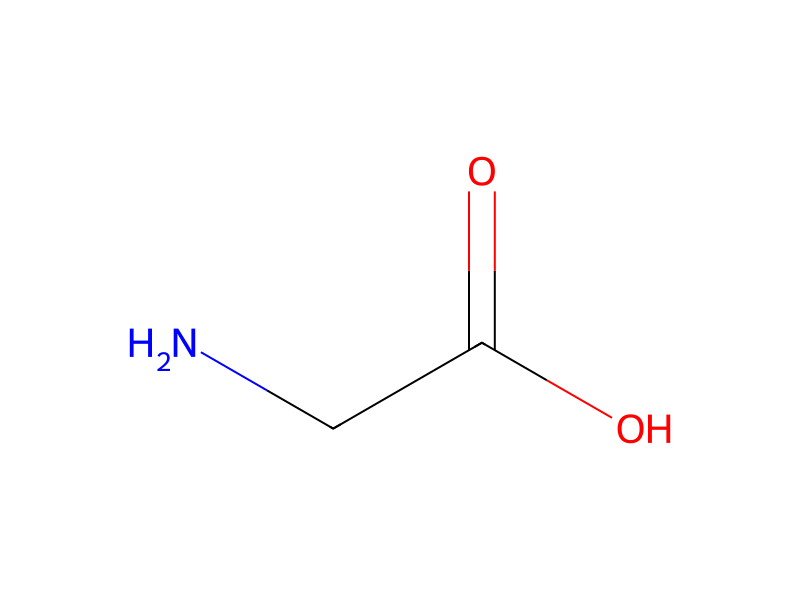
Glycine → 3-Methoxypyridine-2-carboxylic acid N-(((hexadecyloxy)-carbonyl)methyl)amide hydrochloride

HRID 2258308
인쇄

반응식

HRID 2258308 반응식
[CH2:1]([N:3]1[CH2:8][CH2:7][O:6][CH2:5]C1)[CH3:2].ON1[C:14]2[CH:15]=[CH:16][CH:17]=[CH:18][C:13]=2N=N1.COS([C:24]1[CH:29]=[CH:28][C:27]([CH3:30])=[CH:26][CH:25]=1)(=O)=O.C1(N=C=NCCN2CC[O:45][CH2:44]C2)CCCCC1.[Cl:48]C1C=CN=C(C(O)=O)C=1OC.S([C:64]1[CH:70]=CC(C)=C[CH:65]=1)(O)(=O)=O.C(O[C:88](=[O:91])[CH2:89][NH2:90])CCCCCCCCCCCCCCC.NCC(O)=O.[CH2:97](O)CCCCCCCCCCCCCCC.C1(C)C=CC(S(O)(=O)=O)=CC=1.[OH2:125]>ClCCl.C1(C)C=CC=CC=1>[ClH:48].[CH2:65]([O:125][C:88]([CH2:89][NH:90][C:44]([C:8]1[C:7]([O:6][CH3:5])=[CH:97][CH:2]=[CH:1][N:3]=1)=[O:45])=[O:91])[CH2:64][CH2:70][CH2:26][CH2:25][CH2:24][CH2:29][CH2:28][CH2:27][CH2:30][CH2:13][CH2:18][CH2:17][CH2:16][CH2:15][CH3:14]

참가 물질실험 절차후처리출처 및 근거반응 노트

참가 물질

12

반응물 9

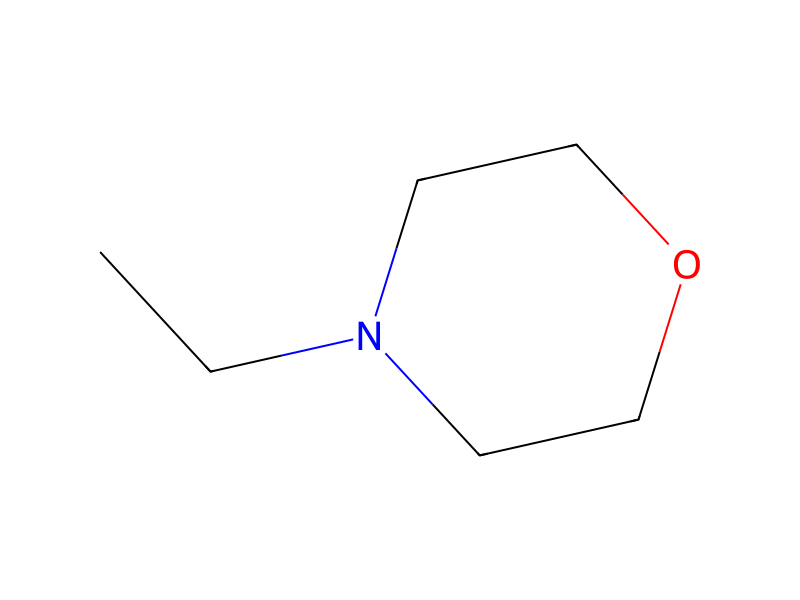
HCID 750GlycineHCID 962WaterHCID 2682Cetyl AlcoholHCID 6101p-Toluenesulfonic acidHCID 7525EthylmorpholineHCID 757711-HydroxybenzotriazoleHCID 9954069N-cyclohexyl-N'-(2-morpholinoethyl)-carbodiimide methyl-p-toluenesulfonate
HCID 22363159
Glycine hexadecyl ester tosylate
HCID 229238434-Chloro-3-methoxypyridine-2-carboxylic acid

생성물 1

HCID 118573323-Methoxypyridine-2-carboxylic acid N-(((hexadecyloxy)-carbonyl)methyl)amide hydrochloride

시약·촉매·용매 2

HCID 1140Toluene용매HCID 6344Dichloromethane용매

실험 절차

7.7 ml (60mmol) of N-ethylmorpholine, 4.5 g (33mmol) of 1-hydroxy-1H-benzotriazole and 12.8 g (30 mmol) of N-cyclohexyl-N'-(2-morpholinoethyl)-carbodiimide methyl-p-toluenesulfonate (CMC) were added, in analogy with Examples 90b) and c), to 5.7 g (30 mmol) of 4-chloro-3-methoxypyridine-2-carboxylic acid and 14.2 g (30mmol) of glycine hexadecyl ester tosylate (m.p. approximately 90° C., prepared from glycine, 1-hexadecanol and p-toluene-sulfonic acid on a water separator using toluene) in 300 ml of dichloromethane, and the mixture was stirred for 24 h. The undissolved material was then filtered off with suction and the filtrate was extracted by shaking with an aqueous solution of Na bicarbonate, with water and with aqueous hydrochloric acids the organic phase was concentrated and the residue (14 g) was dissolved in 500 ml of tetrahydrofuran/methanol (1:1), and after that Pd/C (10%) was added to this mixture, which was hydrogenated using a hydrogenation vessel. Once the uptake of hydrogen was complete, the catalyst was filtered off with suction and the filtrate was concentrated and the residue chromatographed on silica gel using ethyl acetate. Appropriate fractions were concentrated and the residue was crystallized using diisopropyl ether. 2.1 g of the title compound were obtained as a colorless substance, m.p. 63°-65° C.

후처리

  1. filtrationThe undissolved material was then filtered off with suction
  2. extractionthe filtrate was extracted
  3. stirringby shaking with an aqueous solution of Na bicarbonate, with water and with aqueous hydrochloric acids the organic phase
  4. concentrationwas concentrated
  5. dissolutionthe residue (14 g) was dissolved in 500 ml of tetrahydrofuran/methanol (1:1)
  6. additionafter that Pd/C (10%) was added to this mixture, which
  7. filtrationthe catalyst was filtered off with suction
  8. concentrationthe filtrate was concentrated
  9. customthe residue chromatographed on silica gel
  10. concentrationAppropriate fractions were concentrated
  11. customthe residue was crystallized

출처 및 근거

ORD 기록
ord-63be882210bc4aa79450fc678d22ca91
출처 데이터셋
uspto-grants-1997_08
DOI
10.6084/m9.figshare.5104873.v1
특허 번호
US05658933

반응 노트

이 페이지에서참가 물질실험 절차후처리출처 및 근거반응 노트