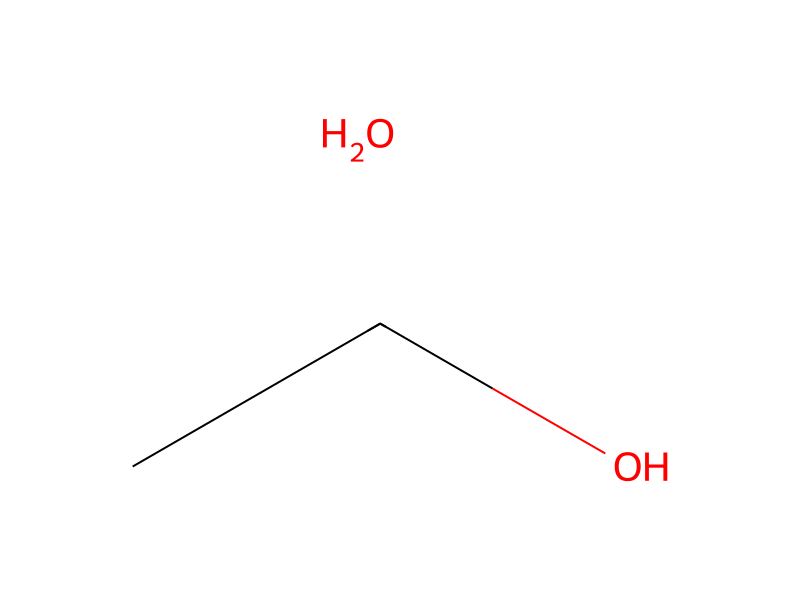
A suspension of 4-[4-chloro-3-(ethoxycarbonyl)phenyl]hexahydro-1H-1,4-diazepine-1-carboxylic acid, 1,1-dimethylethyl ester (Example 5a, 0.21 g), lithium hydroxide monohydrate (1.05 ml of 3M solution in water) in 1:1 ethanol/water (7 ml) was stirred at room temperature for 14 h. More lithium hydroxide monohydrate (0.55 ml of 3M solution in water) was added followed by tetrahydrofuran (1 ml). The resulting solution was stirred for 4 h at room temperature then poured into water and extracted with diethyl ether. The aqueous phase was separated, acidified with 2M hydrochloric acid and then extracted with dichloromethane three times. The combined dichloromethane layers were dried over magnesium sulfate and evaporated under reduced pressure to yield the subtitle compound as a glass.