홈MCP워크벤치Skills
홈워크벤치알림마이페이지
llms.txt · MCP 가이드개인정보처리방침 · 이용약관 · 지원v1.8.3
  1. 홈
  2. /반응

tert-Butyl methyl ether → 2,3,4,6-Tetra-o-acetyl-1-o-(10-carboxydecyl)-glucopyranose

HRID 2307741
인쇄

반응식

HRID 2307741 반응식
[C:1]([O:4][C@@H:5]1[C@@H:11]([O:12][C:13](=[O:15])[CH3:14])[C@H:10]([O:16][C:17](=[O:19])[CH3:18])[C@@H:9]([CH2:20][O:21][C:22](=[O:24])[CH3:23])[O:8][CH:6]1[OH:7])(=[O:3])[CH3:2].C1CN2C(=NCCC2)C1.C([O:41][C:42](=[O:54])[CH2:43][CH2:44][CH2:45][CH2:46][CH2:47][CH2:48][CH2:49][CH2:50][CH2:51][CH2:52]Br)C1C=CC=CC=1.COC(C)(C)C>[Cl-].C[N+](C)(C)C.C1C=CC=CC=1>[C:1]([O:4][C@@H:5]1[C@@H:11]([O:12][C:13](=[O:15])[CH3:14])[C@H:10]([O:16][C:17](=[O:19])[CH3:18])[C@@H:9]([CH2:20][O:21][C:22](=[O:24])[CH3:23])[O:8][CH:6]1[O:7][CH2:52][CH2:51][CH2:50][CH2:49][CH2:48][CH2:47][CH2:46][CH2:45][CH2:44][CH2:43][C:42]([OH:54])=[O:41])(=[O:3])[CH3:2]
참가 물질반응 조건실험 절차후처리출처 및 근거반응 노트

참가 물질

7

반응물 4

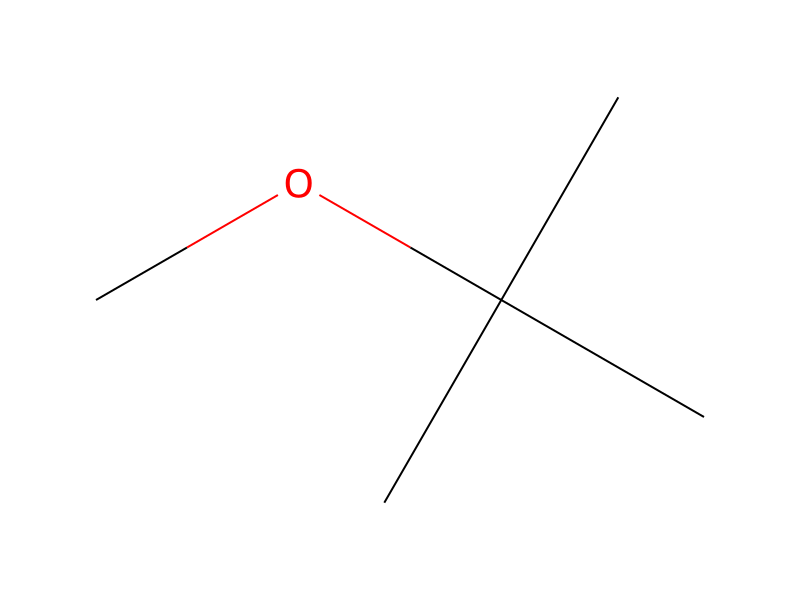
HCID 15413tert-Butyl methyl etherHCID 763491,5-Diazabicyclo(4.3.0)non-5-eneHCID 289450Benzyl 11-bromoundecanoateHCID 11824227GlyTouCan:G97391RA

생성물 1

HCID 103020822,3,4,6-Tetra-o-acetyl-1-o-(10-carboxydecyl)-glucopyranose

시약·촉매·용매 2

HCID 6379
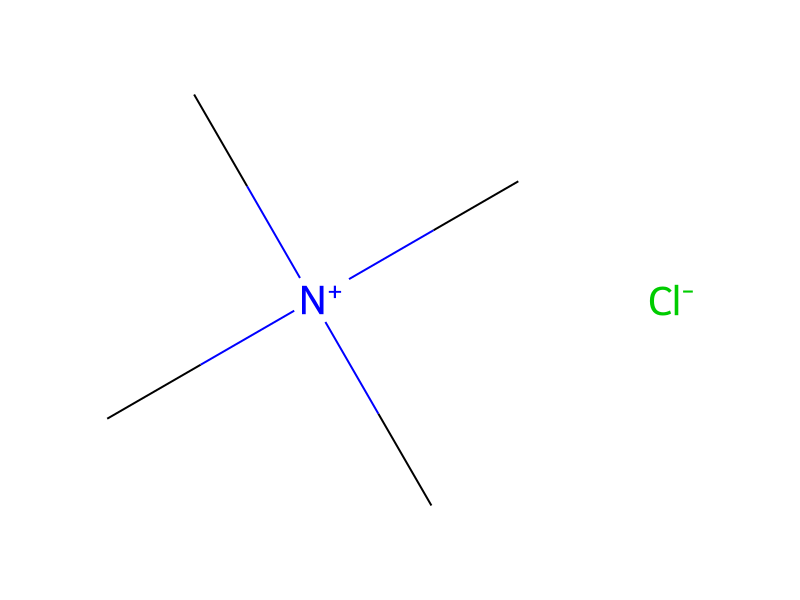
Tetramethylammonium chloride
촉매
HCID 241Benzene용매2회

반응 조건

온도
0 °C

실험 절차

A mixture that consists of 34.83 g (100 mmol) of 2,3,4,6-tetra-O-acetylglucopyranose, 0.55 g (5 mmol) of tetramethylammonium chloride and 12.42 g (100 mmol) of DBN in 350 ml of benzene is cooled to 0° C. At 0° C., 53.30 g (150 mmol) of 11-bromoundecanoic acid benzyl ester, dissolved in 50 ml of benzene, is added in drops over 30 minutes while being stirred vigorously. It is stirred for two hours at 20° C. 250 ml of methyl-tert-butyl ether is added, solid is filtered out, and the filtrate is evaporated to the dry state in a vacuum. The residue is taken up in 500 ml of ethanol. 5 g of palladium (10%) on activated carbon is added thereto and hydrogenated until hydrogen absorption is completed. Catalyst is filtered out, it is rewashed with a little ethanol, and the combined solutions are evaporated to the dry state in a vacuum. The residue is chromatographed on silica gel (mobile solvent: dichloromethane/n-hexane/ethanol/acetic acid=20:5:3:0.5). The product-containing fractions are concentrated by evaporation, dissolved in 400 ml of ethyl acetate and shaken out three times with 200 ml of water. Then, the organic phase is separated and evaporated to the dry state in a vacuum.

후처리

  1. additionis added in drops over 30 minutes
  2. stirringIt is stirred for two hours at 20° C
  3. filtrationsolid is filtered out
  4. customthe filtrate is evaporated to the dry state in a vacuum
  5. addition5 g of palladium (10%) on activated carbon is added
  6. customhydrogenated until hydrogen absorption
  7. filtrationCatalyst is filtered out
  8. customthe combined solutions are evaporated to the dry state in a vacuum
  9. customThe residue is chromatographed on silica gel (mobile solvent: dichloromethane/n-hexane/ethanol/acetic acid=20:5:3:0.5)
  10. concentrationThe product-containing fractions are concentrated by evaporation
  11. dissolutiondissolved in 400 ml of ethyl acetate
  12. stirringshaken out three times with 200 ml of water
  13. customThen, the organic phase is separated
  14. customevaporated to the dry state in a vacuum

출처 및 근거

ORD 기록
ord-9a46e5b67124453c9b6fcdf0458f02ba
출처 데이터셋
uspto-grants-2004_12
DOI
10.6084/m9.figshare.5104873.v1
특허 번호
US06831164B2

반응 노트

이 페이지에서참가 물질반응 조건실험 절차후처리출처 및 근거반응 노트