홈MCP워크벤치Skills
홈워크벤치알림마이페이지
llms.txt · MCP 가이드개인정보처리방침 · 이용약관 · 지원v1.8.0
  1. 홈
  2. /반응

(4-Nitrophenyl)acetic acid → 1-(4-Nitrophenyl)propan-2-one

HRID 23250
노트
인쇄 미리보기

반응식

HRID 23250 반응식
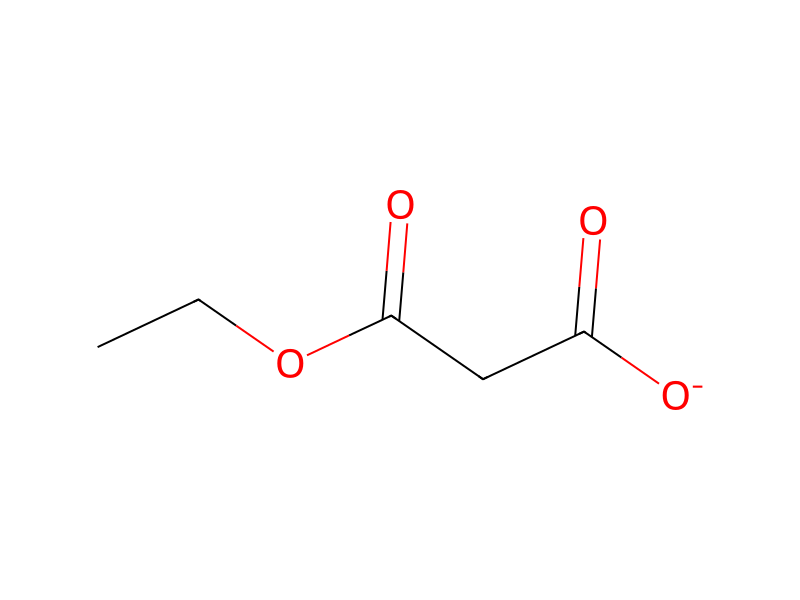
[C:1](OCC)(=O)CC([O-])=O.[Cl-].[Al+3].[Cl-].[Cl-].S(Cl)(Cl)=O.[N+:18]([C:21]1[CH:26]=[CH:25][C:24]([CH2:27][C:28]([OH:30])=O)=[CH:23][CH:22]=1)([O-:20])=[O:19]>O.COC(C)(C)C.ClCCl>[N+:18]([C:21]1[CH:22]=[CH:23][C:24]([CH2:27][C:28](=[O:30])[CH3:1])=[CH:25][CH:26]=1)([O-:20])=[O:19]
참가 물질반응 조건실험 절차후처리출처 및 근거반응 노트

참가 물질

8

반응물 4

HCID 4661(4-Nitrophenyl)acetic acidHCID 24386Thionyl ChlorideHCID 3595298Propanedioic acid, monoethyl esterHCID 6451240Aluminum(III) Chloride

생성물 1

HCID 2193671-(4-Nitrophenyl)propan-2-one수율 52%

시약·촉매·용매 3

HCID 962Water
용매
HCID 6344Dichloromethane용매
HCID 15413tert-Butyl methyl ether용매

반응 조건

온도
72.5 °C

실험 절차

Dichloromethane (3 ml) and ethyl malonate (1.31 g, 8.15 mmol) were added to aluminium chloride (1.10 g, 8.28 mmol) (hereinafter, abbreviated as Solution B). Thionyl chloride (1.58 g, 13.25 mmol) was added to 4-nitrophenylacetic acid (1.00 g, 5.52 mol), followed by stirring at 70-75° C. for 45 minutes. Thionyl chloride was distilled off under reduced pressure, followed by azeotropy with toluene (3 ml) twice. Dichloromethane (3 ml) was added to the azeotropic residue to dissolve the residue, which was added to Solution B dropwise. After stirred for 7 hours under reflux, the reaction solution was cooled to room temperature and poured into water (10 ml). The layers were separated, and the aqueous layer was extracted with dichloromethane (3 ml). The organic layers were combined, and the solvent was distilled off under reduced pressure. After the solvent was distilled off, acetic acid (1.7 ml), water (1.1 ml) and concentrated sulfuric acid (0.21 ml) were added thereto, which was refluxed at an external temperature of 125° C. for 4 hours while stirring vigorously. After completion of the reaction, the mixture was ice-cooled, returned to room temperature, and t-butyl methyl ether (6 ml) and water (6 ml) were added thereto, followed by extraction. After the organic layer was washed with an aqueous saturated sodium hydrogen carbonate solution (6 ml) twice and brine (6 ml) twice, the solvent was distilled off under reduced pressure, and the residue was purified by silica gel column chromatography to give 4-nitrophenylacetone (0.51 g, 2.87 mmol, 52%).

후처리

  1. distillationThionyl chloride was distilled off under reduced pressure
  2. additionDichloromethane (3 ml) was added to the azeotropic residue
  3. dissolutionto dissolve the residue, which
  4. additionwas added to Solution B dropwise
  5. stirringAfter stirred for 7 hours
  6. temperatureunder reflux
  7. temperaturethe reaction solution was cooled to room temperature
  8. additionpoured into water (10 ml)
  9. customThe layers were separated
  10. extractionthe aqueous layer was extracted with dichloromethane (3 ml)
  11. distillationthe solvent was distilled off under reduced pressure
  12. distillationAfter the solvent was distilled off
  13. additionacetic acid (1.7 ml), water (1.1 ml) and concentrated sulfuric acid (0.21 ml) were added
  14. temperaturewhich was refluxed at an external temperature of 125° C. for 4 hours
  15. stirringwhile stirring vigorously
  16. customAfter completion of the reaction
  17. temperaturecooled
  18. customreturned to room temperature
  19. extractionfollowed by extraction
  20. washAfter the organic layer was washed with an aqueous saturated sodium hydrogen carbonate solution (6 ml) twice
  21. distillationbrine (6 ml) twice, the solvent was distilled off under reduced pressure
  22. customthe residue was purified by silica gel column chromatography

출처 및 근거

ORD 기록
ord-8d48c8d503d84a29b2cc1623fb97d3d0
출처 데이터셋
uspto-grants-2005_02
DOI
10.6084/m9.figshare.5104873.v1
특허 번호
US06849738B2

반응 노트

불러오는 중…

이 페이지에서참가 물질반응 조건실험 절차후처리출처 및 근거반응 노트