홈MCP워크벤치Skills
홈워크벤치알림마이페이지
llms.txt · MCP 가이드개인정보처리방침 · 이용약관 · 지원v1.8.3
  1. 홈
  2. /반응

Hydrogen Bromide → HCID 15020497, 화합물

HRID 2351554
인쇄

반응식

HRID 2351554 반응식
Cl.O[CH:3]([CH2:17][OH:18])[CH2:4][O:5][C:6]1[N:7]=[N:8][C:9]([NH:12][N:13]=[C:14]([CH3:16])[CH3:15])=[CH:10][CH:11]=1.Br>C(O)(=O)C.C(OC(C)C)(C)C>[O:18]1[CH2:17][CH:3]1[CH2:4][O:5][C:6]1[N:7]=[N:8][C:9]([NH:12][N:13]=[C:14]([CH3:15])[CH3:16])=[CH:10][CH:11]=1

참가 물질실험 절차후처리출처 및 근거반응 노트

참가 물질

5

반응물 2

HCID 260Hydrogen BromideHCID 199139923-(2,3-Dihydroxypropoxy)-6-isopropylidenehydrazinopyridazine hydrochloride

생성물 1

HCID 15020497HCID 15020497, 화합물수율 71.8%

시약·촉매·용매 2

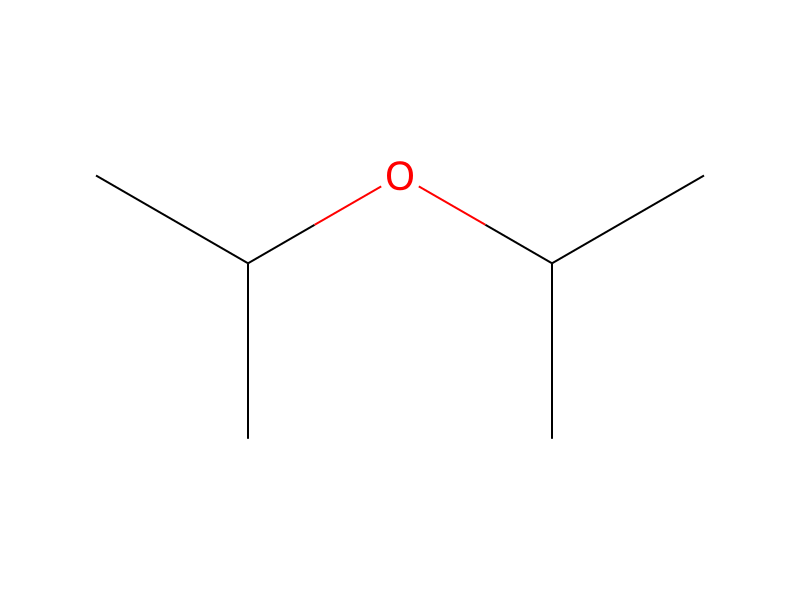
HCID 176Acetic Acid용매2회HCID 7914Diisopropyl Ether용매

실험 절차

A mixture of 3-(2,3-dihydroxypropoxy)-6-isopropylidenehydrazinopyridazine hydrochloride (34.7 g), acetic acid (50 ml) and 33% hydrogen bromide in acetic acid (143 ml) was stirred at room temperature for 2 hours, and diluted with diisopropyl ether (1.5 liter). After 30 minutes the precipitate was collected, protecting it from moisture with dry nitrogen, and dried under vacuum at room temperature. The solid was dissolved with methanol (600 ml) and heated at reflux for 2 hours. After stirring at room temperature for 15 hours, the solvent was removed under vacuum and the residue was diluted with acetone and evaporated again to dryness. To the residue were added dichloromethane (400 ml), cetyltrimethylammonium bromide (3.4 g) and, with vigorous stirring and keeping the internal temperature under 10° C., 2N sodium hydroxide (100 ml). Stirring was continued at room temperature for 90 minutes, then the phases were separated and the organic layer was washed with water (2×200 ml), then with a saturated solution of ammonium sulfate (135 ml). The organic solution was dried over MgSO4, evaporated under vacuum and the residue was triturated with diisopropyl ether (200 ml) to yield 20 g of the title compound as a pale yellow solid, m.p. 106°-109° C. (with decomposition).

후처리

  1. customAfter 30 minutes the precipitate was collected
  2. customdried under vacuum at room temperature
  3. dissolutionThe solid was dissolved with methanol (600 ml)
  4. temperatureheated
  5. temperatureat reflux for 2 hours
  6. stirringAfter stirring at room temperature for 15 hours
  7. customthe solvent was removed under vacuum
  8. additionthe residue was diluted with acetone
  9. customevaporated again to dryness
  10. additionTo the residue were added dichloromethane (400 ml), cetyltrimethylammonium bromide (3.4 g)
  11. stirringwith vigorous stirring
  12. customunder 10° C.
  13. stirringStirring
  14. waitwas continued at room temperature for 90 minutes
  15. customthe phases were separated
  16. washthe organic layer was washed with water (2×200 ml)
  17. dry with materialThe organic solution was dried over MgSO4
  18. customevaporated under vacuum
  19. customthe residue was triturated with diisopropyl ether (200 ml)

출처 및 근거

ORD 기록
ord-eb28725480914e359888d0108b33c380
출처 데이터셋
uspto-grants-1989_10
DOI
10.6084/m9.figshare.5104873.v1
특허 번호
US04873328

반응 노트

이 페이지에서참가 물질실험 절차후처리출처 및 근거반응 노트