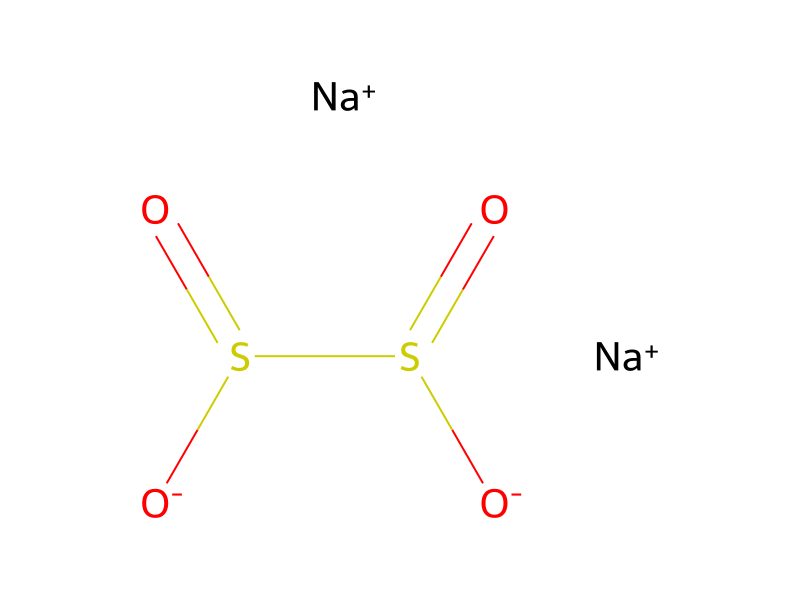
S(S([O-])=O)([O-])=O.[Na+].[Na+].C(=O)([O-])[O-].[K+].[K+].[N+:15]([C:18]1[CH:19]=[N:20][C:21]2[C:26]([C:27]=1[NH:28][CH2:29][CH2:30][CH2:31][CH2:32][CH2:33][C:34]([O:36][CH2:37][CH3:38])=[O:35])=[CH:25][CH:24]=[CH:23][CH:22]=2)([O-])=O.ClCCl>O.[Br-].[Br-].C([N+]1C=CC(C2C=C[N+](CCCCCCCC)=CC=2)=CC=1)CCCCCCC>[NH2:15][C:18]1[CH:19]=[N:20][C:21]2[C:26]([C:27]=1[NH:28][CH2:29][CH2:30][CH2:31][CH2:32][CH2:33][C:34]([O:36][CH2:37][CH3:38])=[O:35])=[CH:25][CH:24]=[CH:23][CH:22]=2A solution of sodium hydrosulfite (73.55 g, 422.4 mmol) and potassium carbonate (65.9 g, 476 mmol) in water (200 mL) was stirred for 15 minutes. A mixture of ethyl 6-(3-nitroquinolin-4-ylamino)hexanoate (40.0 g, 121 mmol, prepared as described in Parts A and B of Example 6), 1,1′-di-n-octyl-4,4′-bipyridinium dibromide (0.65 g, 1.2 mmol), dichloromethane (200 mL), and water (40 mL) was added over a period of five minutes, and the reaction was stirred overnight at ambient temperature. Water (100 mL) was added; the organic layer was separated and washed with water (3×150 mL), dried over potassium carbonate, filtered, and concentrated under reduced pressure to provide 25.15 g of ethyl 6-[(3-aminoquinolin-4-yl)amino]hexanoate. The product was mixed with material from another run.