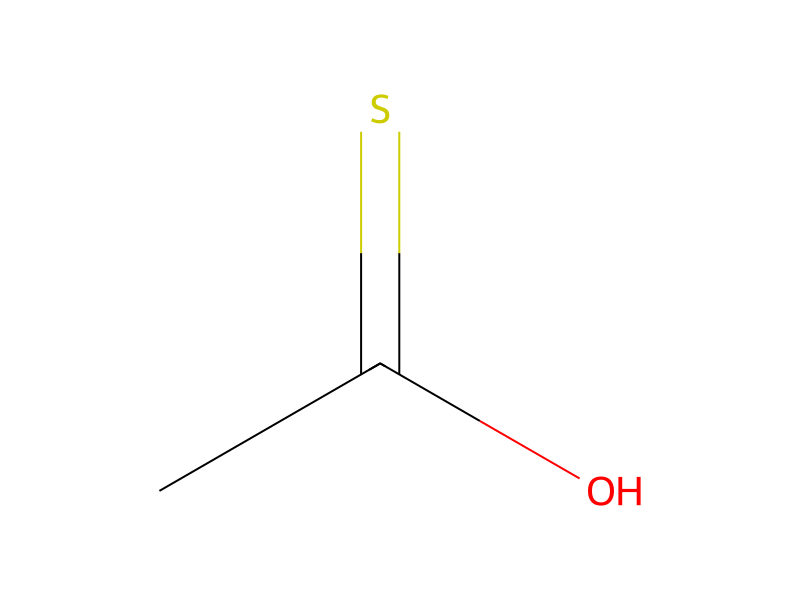
(2S,4R)-1-Methyl-2-dimethylaminocarbonyl-4-hydroxypyrrolidine (970 mg) was dissolved in dry tetrahydrofuran (11.1 ml), and triphenylphosphine (2.66 g) was added thereto. To the resultant mixture, diethyl azodicarboxylate (1.60 ml) was added under nitrogen steam while ice-cooling, and the mixture was stirred for 30 minutes. Thioacetic acid (1.45 ml) was added to the mixture under ice-cooling, and stirring was continued for 40 minutes under ice-cooling, followed by allowing to stand overnight. The reaction mixture was diluted with dichloromethane, washed with aqueous potassium carbonate solution and dried over magnesium sulfate. After removal of the solvent by distillation, the residue was purified by silica gel column chromatography to give (2S,4S)-1-methyl-2-dimethylaminocarbonyl-4-acetylthiopyrrolidine.