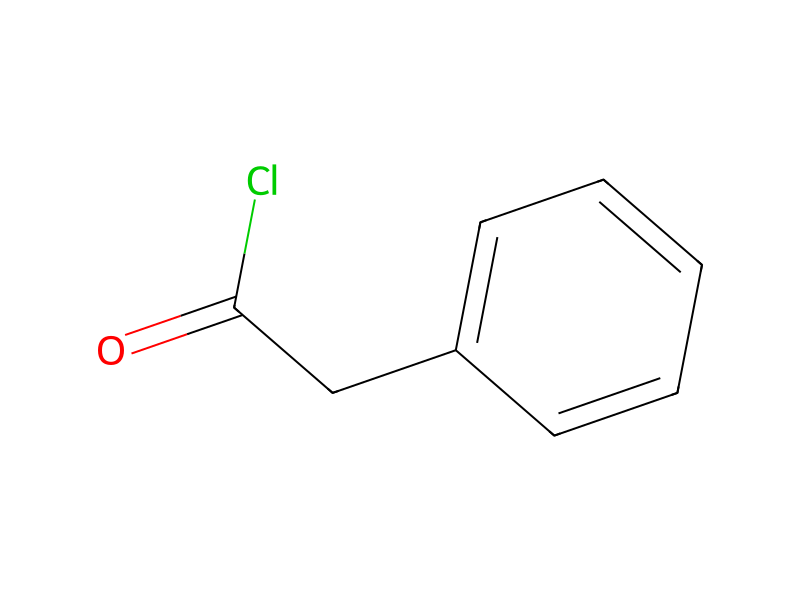
Phenylacetyl chloride → 1-(3-(4-methoxybenzyl)-8,9-dihydro-3H-pyrazolo[3,4-c][2,7]naphthyridin-7(6H)-yl)-2-phenylethanone
HRID 2383492
반응식

[CH3:1][O:2][C:3]1[CH:22]=[CH:21][C:6]([CH2:7][N:8]2[C:12]3[N:13]=[CH:14][C:15]4[CH2:16][NH:17][CH2:18][CH2:19][C:20]=4[C:11]=3[CH:10]=[N:9]2)=[CH:5][CH:4]=1.[C:23]1([CH2:29][C:30](Cl)=[O:31])[CH:28]=[CH:27][CH:26]=[CH:25][CH:24]=1>ClCCCl>[CH3:1][O:2][C:3]1[CH:4]=[CH:5][C:6]([CH2:7][N:8]2[C:12]3[N:13]=[CH:14][C:15]4[CH2:16][N:17]([C:30](=[O:31])[CH2:29][C:23]5[CH:28]=[CH:27][CH:26]=[CH:25][CH:24]=5)[CH2:18][CH2:19][C:20]=4[C:11]=3[CH:10]=[N:9]2)=[CH:21][CH:22]=1참가 물질
4



실험 절차
To a mixture of 3-(4-methoxybenzyl)-6,7,8,9-tetrahydro-3H-pyrazolo[3,4-c][2,7]naphthyridine (0.164 g, 0.56 mmol) and 2-phenylacetyl chloride (0.96 mL, 0.724 mmol) was added 1,2-dichloroethane (2 mL). The reaction mixture was stirred at room temperature for 16 hours. The crude reaction mixture was washed with saturated aqueous sodium bicarbonate (20 mL) and brine (20 mL). The organic extract was dried over Na2SO4 and concentrated under reduced pressure to give the desired product, 1-(3-(4-methoxybenzyl)-8,9-dihydro-3H-pyrazolo[3,4-c][2,7]naphthyridin-7(6H)-yl)-2-phenylethanone as a brown oil (0.230 g, 100%). LCMS [M+H]: 413.