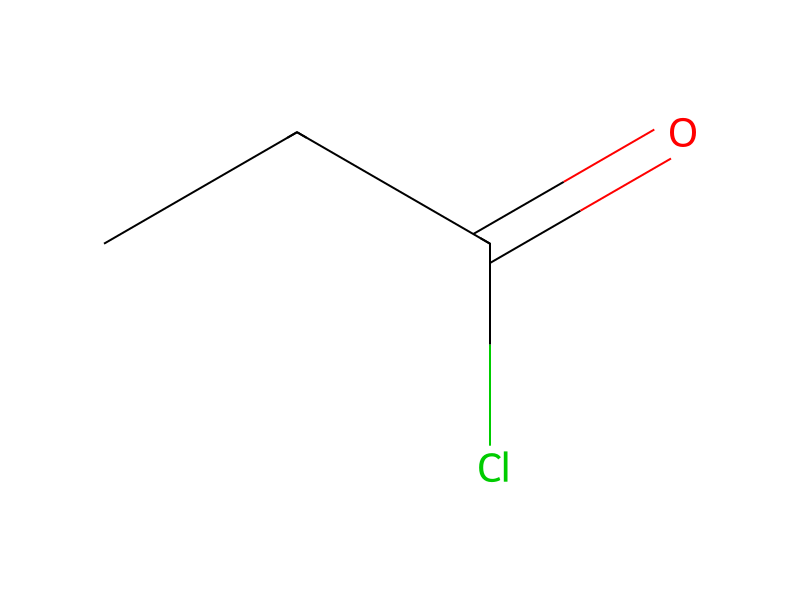
In a round bottom flask equipped with reflux condenser, a mixture of 1,1-dimethylethyl 3-[2-(2-{[(4-bromophenyl)amino]carbonyl}hydrazino)-2-oxoethyl]-1-azetidinecarboxylate (5.69 mmol) and potassium carbonate (28.5 mmol) in water (110 mL) was stirred at reflux (oil bath, 130° C.) for 16 h. The reaction mixture was cooled to room temperature and concentrated in vacuo partially and then lyophilized overnight to give a white solid. The solid was treated with dichloromethane (20 mL) followed by N,N-diisopropylethylamine (11.45 mmol) and the mixture was stirred at room temperature for 10 min. The reaction mixture was cooled to 0° C. and propionyl chloride (5.76 mmol) was added. The reaction was allowed to warm to room temperature and the reaction was stirred at room temperature for 2 h. The reaction was quenched with water (100 mL) and 1N HCl solution (10 mL), stirred for 10 min, and then acidified to pH˜5 using 1N aq HCl. The layers were separated and the aqueous layer was extracted with ethyl acetate (2×50 mL). The organic layers were combined, dried over magnesium sulphate, and concentrated in vacuo. Purification of the residue by silica gel chromatography (0-7% methanol/ethyl acetate) afforded 4-(4-bromophenyl)-2-propanoyl-5-[(1-propanoyl-3-azetidinyl)methyl]-2,4-dihydro-3H-1,2,4-triazol-3-one as a pale yellow solid (660 mg) and the title compound as an ivory solid (341 mg, 60% pure, 10% yield). MS(ES)+ m/e 365.0, 366.8 [M+H]+.