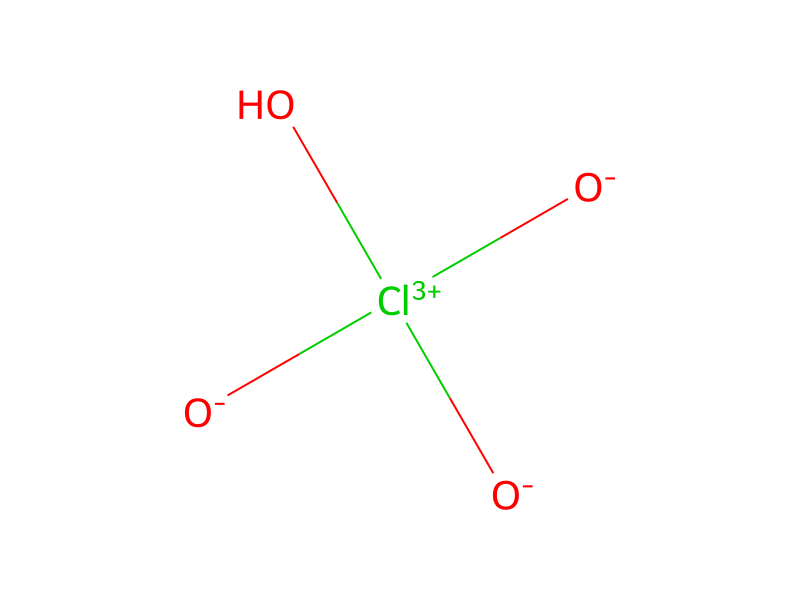
[OH:1][CH2:2][CH2:3][CH2:4][CH2:5][CH2:6][CH2:7][CH2:8][CH2:9][CH2:10][CH2:11][C:12]([C:14]1[C:19]([OH:20])=[C:18]([O:21][CH3:22])[C:17]([O:23][CH3:24])=[CH:16][C:15]=1[CH3:25])=O.Cl(O)(=O)(=O)=O.[H][H].[C:33](O)(=[O:35])[CH3:34]>[Pd]>[C:33]([O:1][CH2:2][CH2:3][CH2:4][CH2:5][CH2:6][CH2:7][CH2:8][CH2:9][CH2:10][CH2:11][CH2:12][C:14]1[C:19]([OH:20])=[C:18]([O:21][CH3:22])[C:17]([O:23][CH3:24])=[CH:16][C:15]=1[CH3:25])(=[O:35])[CH3:34]To a solution of 6-(11-hydroxy-1-oxoundecyl)-2,3-dimethoxy-5-methylphenol (14 g) in acetic acid (200 ml) are added 5% palladium-on-carbon (50% hydrous) (3 g) and 70% perchloric acid (0.1 ml), and catalytic reduction is carried out at atmospheric temperature and pressure. When the hydrogen has ceased to be absorbed, the catalyst is filtered off and the filtrate is concentrated under reduced pressure. The residue is extracted with dichloromethane and the dichloromethane layer is washed with a 5% aqueous solution of sodium hydrogen carbonate and dried over anhydrous magnesium sulfate. The solvent is then distilled off to obtain a colorless oil of 6-(11-acetoxyundecyl)-2,3-dimethoxy-5-methylphenol (15 g).