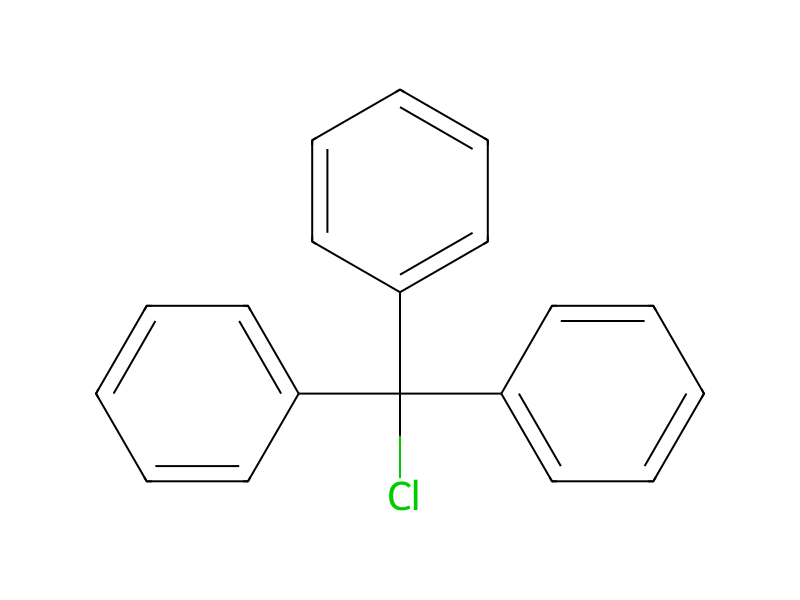
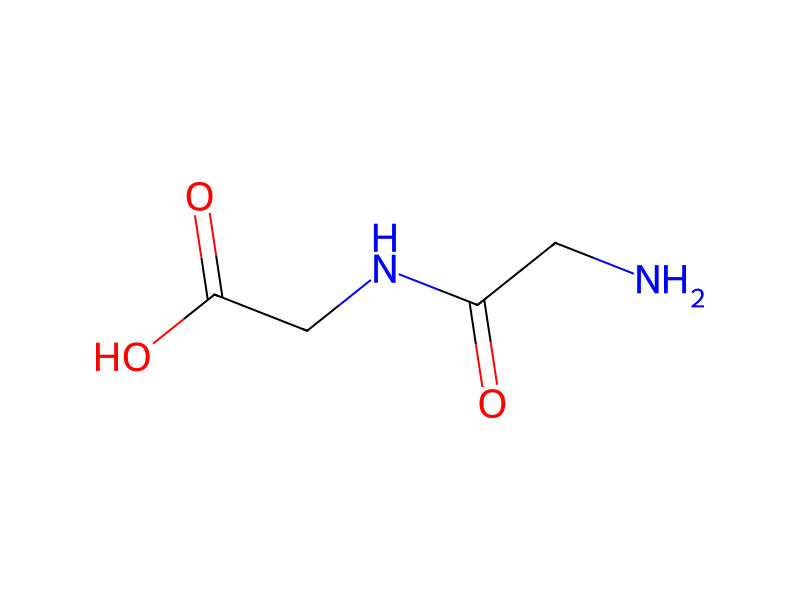
6.6 g (50 mmol) of Gly-Gly (manufactured and sold by PEPTIDE INSTITUTE INC., Japan) was dissolved in a mixed solvent comprised of 20 ml of H2O, 40 ml of 2-propanol and 15 ml of diethylamine to obtain a solution. To the obtained solution was gradually added 18.1 g (65 mmol) of trityl chloride, followed by stirring for 1 hour. To the resultant reaction mixture was added H2O, to thereby generate a precipitate. The generated precipitate was recovered, washed with water and, then, dissolved in 5 ml of acetic acid, to thereby obtain an acidic solution. The solvents were distilled off from the obtained acidic solution under reduced pressure, to thereby obtain 13.1 g of Trt-Gly-Gly (192).