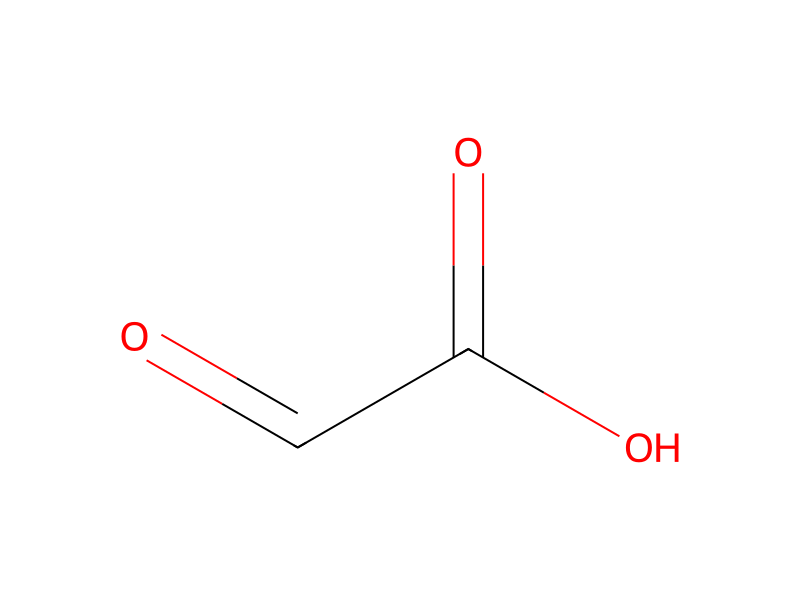
A mixture of 212.5 g (1.00 mol) of 2,4-di-tert-butylphenol (97%), 163.0 g (1.10 mol) of 50% aqueous glyoxylic acid and 0.5 g (2.6 mmol) of p-toluenesulfonic acid monohydrate in 300 ml of 1,2-dichloroethane is refluxed under nitrogen for 3.5 hours on a water separator. Afterwards the reaction mixture is concentrated on a vacuum rotary evaporator. The residue is taken up in 800 ml of hexane and washed three times with water. The aqueous phases are separated in the separating funnel and further extracted with 300 ml of hexane. The organic phases are combined, dried over magnesium sulfate and concentrated on a vacuum rotary evaporator. The residue yields 262.3 g (˜100%) of analytically pure 5,7-di-tert-butyl-3-hydroxy-3H-benzofuran-2-one in the form of a thick yellowish resin (compound (201), Table 2).