홈MCP워크벤치Skills
홈워크벤치알림마이페이지
llms.txt · MCP 가이드개인정보처리방침 · 이용약관 · 지원v1.8.0
  1. 홈
  2. /화합물

글리옥실산

Glyoxylic Acid
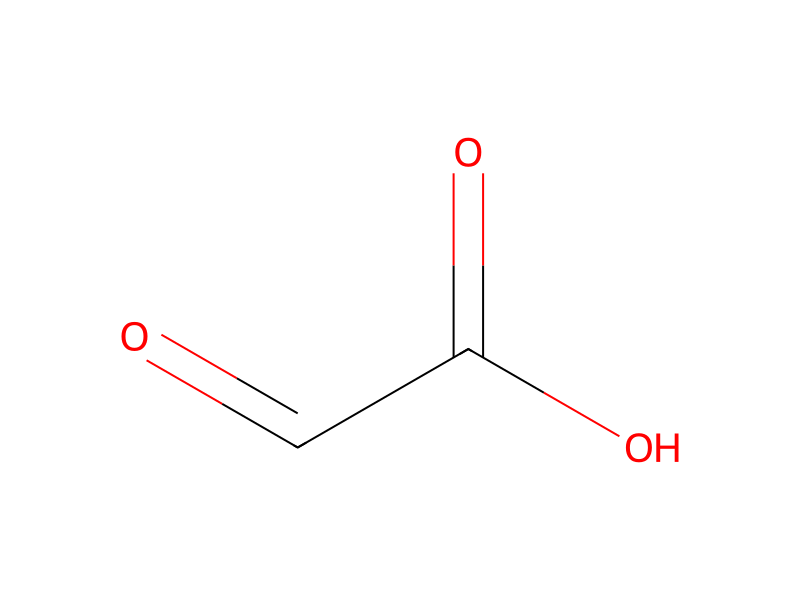
HCID 760
새 노트새 반응견적 요청하기
인쇄 미리보기
기본 정보개요이름 및 식별자물성안전 및 규제화학 및 산업관련 반응화합물 노트
부분 구조 검색유사 구조 찾기

기본 정보

CAS
298-12-4
표준 SMILES
O=CC(=O)O
InChIKey
HHLFWLYXYJOTON-UHFFFAOYSA-N
분자식
C2H2O3
평균 분자량
74.04 g/mol
단동위원소 질량
74.00039392

개요

Supplied as a 50% aqueous solution. Colorless to straw yellow. (USCG, 1999)

이름 및 식별자

우선 이름
Glyoxylic Acid
IUPAC
oxaldehydic acid
현지명
글리옥실산
영어명
Glyoxylic acid
분자식
C2H2O3
분자량
74.04

이름 및 동의어

glyoxylic acid298-12-42-Oxoacetic AcidGlyoxalic acidOxoacetic acidOxoethanoic acidFormylformic acidAcetic acid, oxo-Oxalaldehydic acidoxaldehydic acidglyoxylatealpha-Ketoacetic acid
이름 더 보기
글리옥실릭산글리옥실산글리옥실릭산글리옥실릭애씨드GAGlyoxylic acid 50%Glyoxylicoxo-acetic acidalpha-ketoaceticacid
Formic acid, formyl-glyoxalateKyselina glyoxylovaJQ39C92HH6NSC-27785DTXSID5021594CHEBI:16891CHEBI:36655

데이터베이스 식별자

CAS
298-12-4
PubChem CID
760
DTXSID
DTXSID5021594
ChEMBL
CHEMBL1162545
ChEBI
CHEBI:16891
UNII
JQ39C92HH6
EC Number
206-058-5
Nikkaji
J38.150K、J896.723G

물성

구조 계산 물성

XLogP
-0.3
극성 표면적
54.4 Ų
수소 결합 공여자 수
1
수소 결합 수용자 수
3
회전 가능 결합 수
1
무거운 원자 수
5
형식 전하
0
복잡도
55.9

실험 및 물리화학적 성질

Chemical ClassesOther Classes -> Organic Acids
Drugs · 2건

Pharmaceuticals -> Metabolite of Chloral hydrate

Pharmaceuticals -> Listed in ZINC15

CosmeticsBuffering
SpringerMaterials PropertiesCoriolis coupling
LogPlog Kow= -0.07
OdorObnoxious odor
Density · 2건

1.342 (USCG, 1999) - Denser than water; will sink

1.42 @ 20 °C/4 °C

Color/Form · 2건

Monoclinic crystals from water

Rhombic prisms obtained from water with 1/2 mol of water of crystallization.

SolubilityVery soluble in water; slightly soluble in ethanol, ethyl ether, and benzene
CorrosivityCorrosive
DecompositionWhen heated to decomposition it emits acrid smoke and fumes.

안전 및 규제

안전 정보는 참고용이며, 공급업체의 물질안전보건자료(SDS), 관련 법규 및 전문가 평가를 대체하지 않습니다.

GHS 분류

GHS Classification · 6건

Danger

H317: May cause an allergic skin reaction [Warning Sensitization, Skin]

P261, P264+P265, P272, P280, P302+P352, P305+P354+P338, P317, P321, P333+P317, P362+P364, and P501 (click each P-code to see the statement)

Danger

H290 (60.6%): May be corrosive to metals [Warning Corrosive to Metals]

P234, P261, P264+P265, P272, P280, P302+P352, P305+P354+P338, P317, P321, P333+P317, P362+P364, P390, P406, and P501 (click each P-code to see the statement)

유해성 정보

Regulatory Information · 5건

Chemical: Acetic acid, oxo-

Acetic acid, 2-oxo- is listed on the EPA's Chemical Data Reporting (CDR) system. Manufacturers and importers of Acetic acid, 2-oxo- are required to report information about their production and use of this chemical to the EPA under the Toxic Substances Control Act (TSCA). (40 eCFR Part 711)

Status: Active Update: 08-06-2022 https://echa.europa.eu/registration-dossier/-/registered-dossier/14954

Status: Active Update: 13-06-2022 https://echa.europa.eu/registration-dossier/-/registered-dossier/33655

Acetic acid, oxo-: Does not have an individual approval but may be used under an appropriate group standard

Other Safety InformationEvaluation - Glyoxylic acid
DOT LabelCorrosive
Fire HazardsExcerpt from ERG Guide 153 [Substances - Toxic and/or Corrosive (Combustible)]:
Health HazardsContact will cause severe eye and skin burns. Vapor exposure may cause eye and skin irritation. (USCG, 1999)
Hazards Summary · 1건

Corrosive acid; [Merck Index] Emergency treatment: see Oxalic acid. A skin, eye, and mucous membrane irritant; [HSDB] May cause irritation or burns to skin and eyes; [CAMEO] A corrosive substance that can cause injury to the skin, eyes, and respiratory tract; Inhalation may cause chemical pneumonitis; [MSDSonline]

화학 및 산업

약리 정보

Mechanism of ActionGLYOXYLATE INHIBITED OXYGEN UPTAKE BY MOUSE BRAIN HOMOGENATES, RAT MYOCARDIAL HOMOGENATES, & RAT MYOCARDIAL SARCOSOMES. GLYOXYLATE MAY THUS ACT AT THE LEVEL OF REACTIONS LEADING TO ATP SYNTH OR AT LEVEL OF ATP HYDROLYSIS.
Metabolism/Metabolites · 5건

RATS METABOLIZED DICHLORACETATE TO GLYOXYLATE & OXALATE.

METABOLIC STUDIES USING VARIOUS SUBSTATES INDICATED THAT AT LOW LEVELS OF EXPOSURE, ADVERSE EFFECTS OF ETHYLENE GLYCOL ON MITOCHONDRIA WERE ATTRIBUTABLE TO FORMATION OF GLYOXYLATE & INTERACTION OF THIS METABOLITE WITH CITRIC ACID CYCLE INTERMEDIATES.

UNDER SOME PATHOLOGICAL CONDITIONS MALFUNCTIONING XANTHINE OXIDASE MAY PROMOTE DIRECT OXIDATION OF GLYOXYLIC ACID TO OXALIC ACID.

URINARY EXCRETING OF (14)C ACCOUNTED FOR 34-69% OF (14)C-LABELED GLYOXYLIC ACID WITHIN 96 HR OF ORAL ADMIN OF 500 MG/KG TO RHESUS MONKEYS. FROM THE GLYOXYLATE DOSE, 24-59% WAS EXCRETED UNCHANGED, & 0.1%, 3% & 2% WAS EXCRETED AS HIPPURATE, OXALATE, & GLYCOLLATE, RESPECTIVELY. WHEN DOSE OF GLYOXYLATE WAS DECR TO 60 MG/KG, ONLY 20% OF THE (14)C APPEARED IN URINE WITHIN 96 HR, & ONLY 1-1.5% WAS EXCRETED UNCHANGED, & PREDOMINANT LABELED URINARY ACID WAS OXALIC ACID.

For more Metabolism/Metabolites (Complete) data for GLYOXYLIC ACID (10 total), please visit the HSDB record page.

Tissue LocationsAll Tissues
Cellular LocationsMitochondria
Metabolite Pathways3-Phosphoglycerate dehydrogenase deficiency

용도 및 제조

Uses · 6건

Found in unripe fruit, young green leaves, and very young sugar beets; [Merck Index] Used to make flavorings, perfumes, cosmetics, pharmaceuticals, dyes, plastics, agricultural chemicals, and vanillin; Also used as a cleaning agent for a variety of industrial applications; [HSDB]

INTERMEDIATE FOR FLAVORINGS, PERFUMES, PHARMACEUTICALS, DYES, PLASTICS, AGRICULTURAL CHEMICALS.

Cleaning agent for a variety of industrial applications, as a speciality chemical and biodegradable copolymer feedstock.

관련 반응

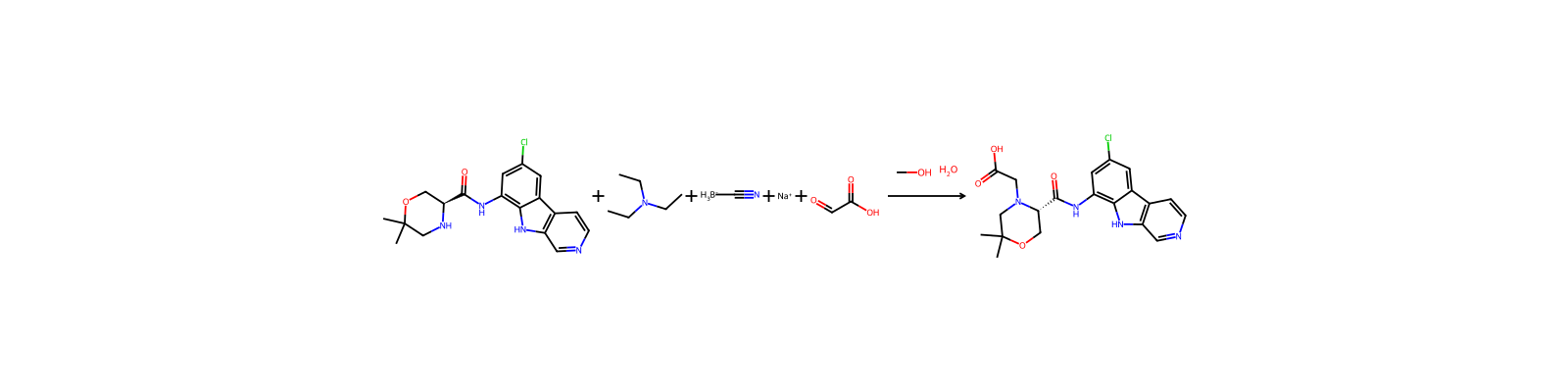
476건
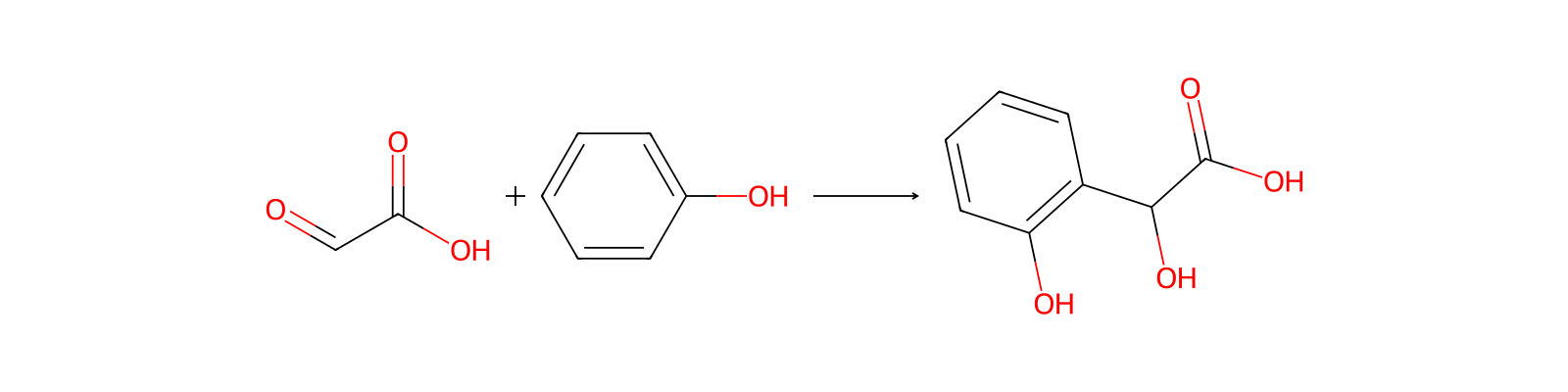
반응 기록 만들기
HRID 2572 반응식
HRID 2572반응물로uspto-grants-1998_03
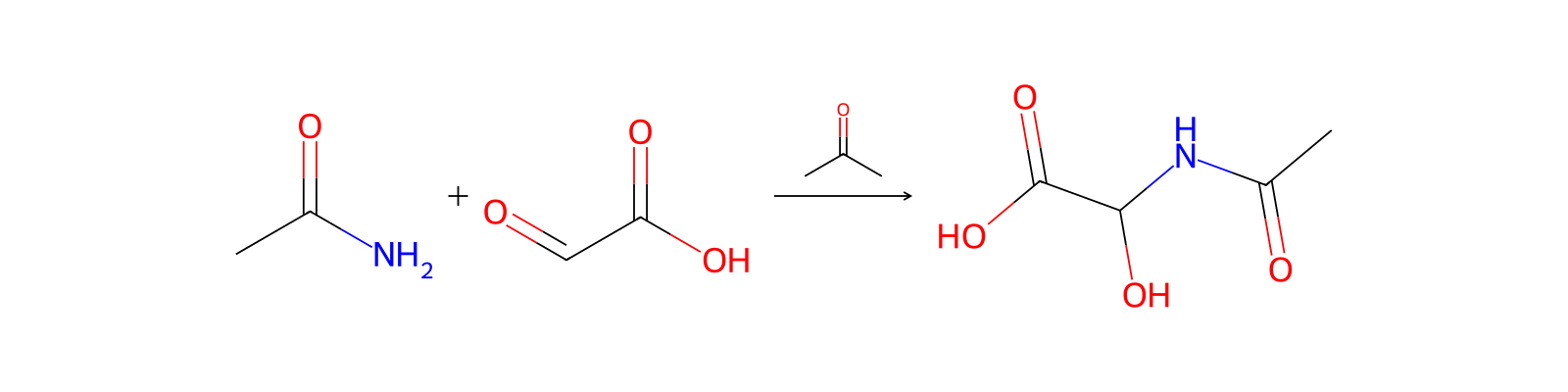
HRID 6464 반응식
HRID 6464반응물로uspto-grants-1993_09
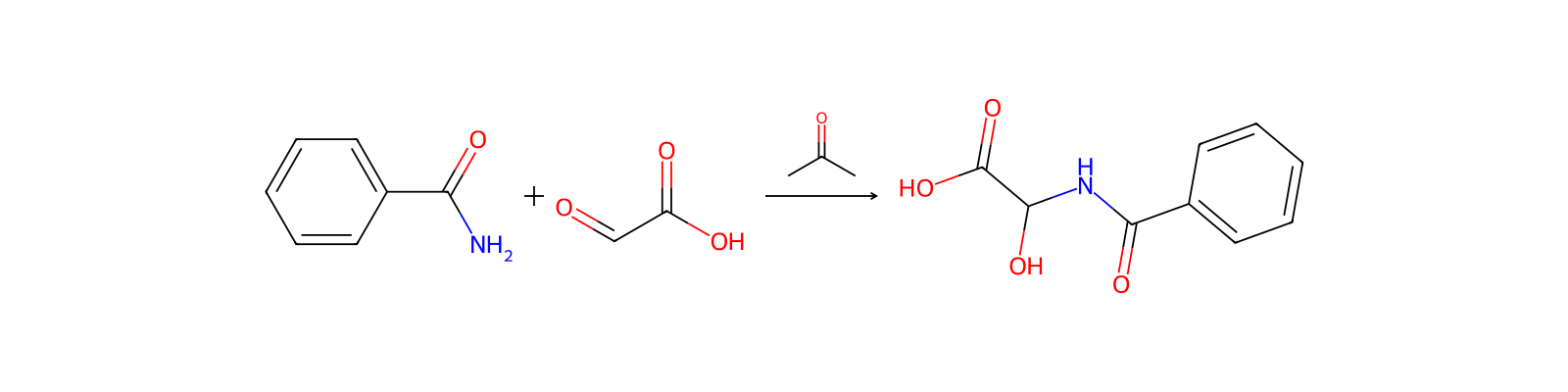
HRID 12238 반응식
HRID 12238반응물로uspto-grants-2010_06
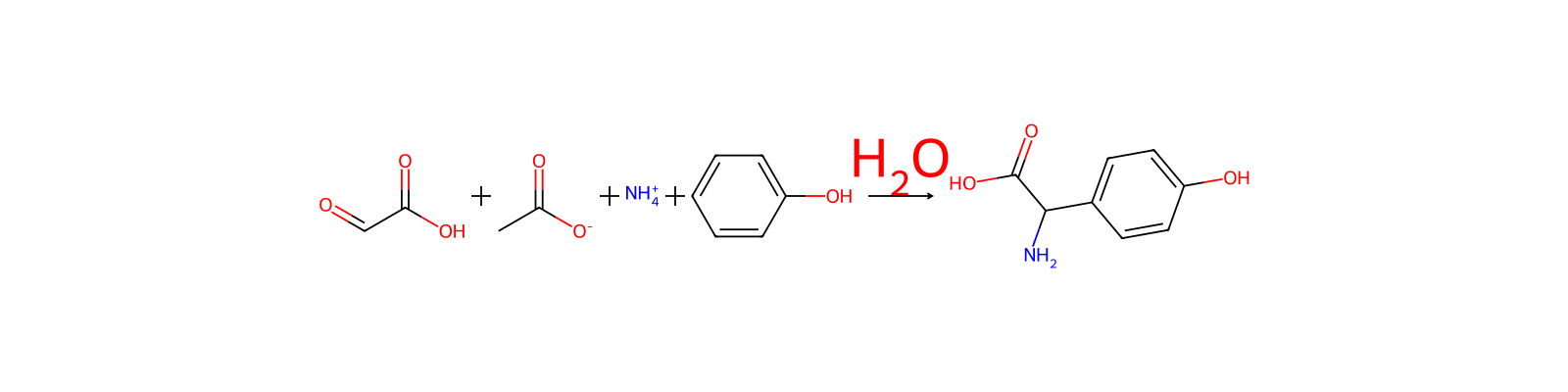
HRID 20187 반응식
HRID 20187반응물로uspto-grants-2010_06
HRID 20188 반응식
HRID 20188반응물로uspto-grants-2010_06
HRID 46942 반응식
HRID 46942반응물로uspto-grants-1979_11
HRID 47414 반응식
HRID 47414반응물로uspto-grants-2004_03
HRID 47415 반응식
HRID 47415반응물로uspto-grants-2004_03
1 / 60 페이지

화합물 노트

불러오는 중…

이 페이지에서기본 정보개요이름 및 식별자물성안전 및 규제화학 및 산업관련 반응화합물 노트
더보기
새 노트새 반응견적 요청하기
Melting Point · 4건

98 °C

Crystals from water; melting point: 70-75 °C; obnoxious odor; strong corrosive acid; K= 4.6X10⁻⁴; deliquesces; attacks most stable metals except certain stainless steel alloys; aq soln tend to acquire a yellow tint. /glyoxylic acid hemihydrate/

Crystals; MP: approx 50 °C; highly hygroscopic /Glyoxylic acid monohydrate/

-93 °C

물리화학적 성질

녹는점
-93 °C · -93°C
끓는 점
111 °C · 111°C
밀도
1.33 g/mL · 1.33 g/mL at 20 °C
증기압
14 hPa · 14hPa at 19.85℃
굴절률
20 · n20/D 1.414
인화점
111 °C · 111°C
저장 조건
30 °C · Store below +30°C.
용해도
에탄올과 혼합 가능. 에테르 및 벤젠과 약간 섞임. 에스테르와 섞이지 않습니다.
산도 계수 (pKa)
3.18 · 3.18(at 25℃)
물리적 상태
투명한 액체
색상
Colorless to Light orange to Yellow
수소이온지수(pH)
0.3 · 0.3 (19.5°C in H2O)
수용성
혼용 가능
Merck
14 · 14,4511
BRN
741891 · 741891
Henry's Law Constant
1.1 · 1.1×102 mol/(m3Pa) at 25℃, Burkholder et al. (2019)
화장품 원료 기능
버퍼링대전방지제헤어 웨이브 또는 스트레이트
InChI
1S/C2H2O3/c3-1-2(4)5/h1H,(H,4,5)
InChIKey
HHLFWLYXYJOTON-UHFFFAOYSA-N
SMILES
OC(=O)C=O
LogP
-0.93 · -0.930 (est)
NIST
Acetic acid, oxo-(298-12-4)
EPA
2 · Acetic acid, 2-oxo- (298-12-4)
Reactive GroupAcids, Carboxylic
Reactivity Profile · 1건

GLYOXYLIC ACID is a carboxylic acid. Preparative hazard, nitric acid and glyoxal to produce glyoxylic acid has had explosive consequences. Carboxylic acids donate hydrogen ions if a base is present to accept them. They react in this way with all bases, both organic (for example, the amines) and inorganic. Their reactions with bases, called "neutralizations", are accompanied by the evolution of substantial amounts of heat. Neutralization between an acid and a base produces water plus a salt. Carboxylic acids with six or fewer carbon atoms are freely or moderately soluble in water; those with more than six carbons are slightly soluble in water. Soluble carboxylic acid dissociate to an extent in water to yield hydrogen ions. The pH of solutions of carboxylic acids is therefore less than 7.0. Many insoluble carboxylic acids react rapidly with aqueous solutions containing a chemical base and dissolve as the neutralization generates a soluble salt. Carboxylic acids in aqueous solution and liquid or molten carboxylic acids can react with active metals to form gaseous hydrogen and a metal salt. Such reactions occur in principle for solid carboxylic acids as well, but are slow if the solid acid remains dry. Even "insoluble" carboxylic acids may absorb enough water from the air and dissolve sufficiently in it to corrode or dissolve iron, steel, and aluminum parts and containers. Carboxylic acids, like other acids, react with cyanide salts to generate gaseous hydrogen cyanide. The reaction is slower for dry, solid carboxylic acids. Insoluble carboxylic acids react with solutions of cyanides to cause the release of gaseous hydrogen cyanide. Flammable and/or toxic gases and heat are generated by the reaction of carboxylic acids with diazo compounds, dithiocarbamates, isocyanates, mercaptans, nitrides, and sulfides. Carboxylic acids, especially in aqueous solution, also react with sulfites, nitrites, thiosulfates (to give H2S and SO3), dithionites (SO2), to generate flammable and/or toxic gases and heat. Their reaction with carbonates and bicarbonates generates a harmless gas (carbon dioxide) but still heat. Like other organic compounds, carboxylic acids can be oxidized by strong oxidizing agents and reduced by strong reducing agents. These reactions generate heat. A wide variety of products is possible. Like other acids, carboxylic acids may initiate polymerization reactions; like other acids, they often catalyze (increase the rate of) chemical reactions.

Air and Water ReactionsNo rapid reaction with air. No rapid reaction with water.
Hazard Classes and Categories · 5건

Met. Corr. 1 (60.6%)

Eye damage - category 1

Serious eye damage/eye irritation - Category 2A

Serious eye damage/eye irritation - Category 1

Eye Dam. 1

Skin, Eye, and Respiratory IrritationsA skin, eye, and mucous membrane irritant.
Hazardous Reactivities and IncompatibilitiesDeliquesces quickly and forms a syrup on short exposure to air.

안전 및 보호

Fire FightingFire Extinguishing Agents Not to Be Used: Avoid direct contact between water and acid.
First AidGet medical attention.
Nonfire Spill ResponseNeutralizing Agents for Acids and Caustics: Lime. (USCG, 1999)
Disposal Methods · 1건

SRP: At the time of review, criteria for land treatment or burial (sanitary landfill) disposal practices are subject to significant revision. Prior to implementing land disposal of waste residue (including waste sludge), consult with environmental regulatory agencies for guidance on acceptable disposal practices.

Preventive Measures · 1건

SRP: The scientific literature supports the wearing of contact lenses in industrial environments, as part of a program to protect the eye against chemical compounds and minerals causing eye irritation. However, there may be individual substances whose irritating or corrosive properties are such that the wearing of contact lenses would be harmful to the eye. In those specific cases contact lenses should not be worn.

Isolation and EvacuationExcerpt from ERG Guide 153 [Substances - Toxic and/or Corrosive (Combustible)]:
Personal Protective Equipment (PPE)Wear full impervious protective clothing and approved respirator. Where splashing is possible wear full face shield or chemical safety goggles. Use approved respirator to protect against vapors. (USCG, 1999)

독성 정보

Interactions · 4건

SUCCINIMIDE HAS A HYPOOXALURIC EFFECT IN NORMAL RATS & IN RATS WITH GLYOXYLIC ACID-INDUCED LITHIASIS.

IN PRESENCE OF NADH, HYDROXYPYRUVATE STIMULATED THE OXIDN OF GLYOXYLATE TO OXALATE & DECR THE REDN OF GLYOXYLATE IN VITRO PREPARATIONS FROM NORMAL HUMAN ERYTHROCYTES & LEUKOCYTES, RAT LIVER, & WITH PURIFIED LACTATE DEHYDROGENASE FROM BEEF HEART.

INJECTIONS OF OXALOACETATE TOGETHER WITH LETHAL DOSE OF GLYOXYLATE PROTECTED RAT FROM DEATH, BUT PRODUCED A SEVERE INHIBITION OF BOTH MITOCHONDRIAL AND CYTOPLASMIC ACONITATE HYDRATASE & ISOCITRATE DEHYDROGENASE. OXIDN OF CITRATE EITHER ADDED OR FORMED FROM PYRUVATE & FUMARATE IN MITOCHONDRIA WAS STRONGLY INHIBITED. DATA SUGGEST THAT THE INHIBITION OF ACONITATE HYDRATASE & ISOCITRATE (NADP+) DEHYDROGENASE WAS DUE TO OXALOMALATE FORMED IN VIVO WITH THE SAME MECHANISM OF CONDENSATION OF GLYOXYLATE PLUS OXALOACETATE.

It has been proposed that administration of non-nitrogenous precursors to glycine is necessary to realize the full potential of benzoate metabolism as a pathway for disposal of waste nitrogen during ammonia intoxication. However, when glyoxylate, a keto acid precursor to glycine, was administered with benzoate 1 hr prior to a challenge of ammonia, protection against ammonia toxicity was less successful than with benzoate alone. At the cellular and subcellular levels, glyoxylate and benzoate each inhibited the urea cycle in isolated hepatocytes and pyruvate carboxylase in isolated mitochondria. The action of each drug was associated with depletion of aspartate content in isolated hepatocytes and reduction of pyruvate-dependent incorporation of carbon dioxide into aspartate in assays with isolated mitochondria. Depression of aspartate regeneration by inhibition of pyruvate carboxylase is a likely mechanism for impairment of urea cycle activity by both drugs. In whole animals, inhibition of pyruvate carboxylase may contribute to benzoate toxicity and the adverse influence of glyoxylate on benzoate therapy.

Environmental Fate · 3건

TERRESTRIAL FATE: Based on a classification scheme(1), an estimated Koc value of 1(SRC), determined from a structure estimation method(2), indicates that glyoxylic acid is expected to have very high mobility in soil(SRC). The pKa of glyoxylic acid is 3.3(3), which indicates that this compound will exist primarily as an anion in moist soil surfaces and anions are expected to have very high mobility in soils(SRC). Volatilization of glyoxylic acid from moist soil surfaces is not expected to be an important fate process(SRC) since the anion will not volatilize and the neutral species has an estimated Henry's Law constant of 3X10⁻⁹ atm-cu m/mole at 25 °C(SRC), using a fragment constant estimation method(4). Glyoxylic acid may volatilize from dry soil surfaces(SRC) based upon its vapor pressure of 1 mm Hg at 25 °C(5). By analogy to other aliphatic acids(6-8), biodegradation is expected to be an important degradation process for glyoxylic acid in soil(SRC).

AQUATIC FATE: Based on a classification scheme(1), an estimated Koc value of 1(SRC), determined from a structure estimation method(2), indicates that glyoxylic acid is not expected to adsorb to suspended solids and sediment(SRC). The pKa of glyoxylic acid is 3.3(3), which indicates that this compound will exist primarily as an anion in water(SRC). Volatilization of glyoxylic acid from water surfaces is not expected to be an important fate process(SRC) since the anion will not volatilize and the neutral species has an estimated Henry's Law constant of 3X10⁻⁹ atm-cu m/mole at 25 °C(SRC), using a fragment constant estimation method(4). According to a classification scheme(5), an estimated BCF of 3(SRC), from an estimated log Kow of -1.4(SRC) and a regression-derived equation(6), suggests the potential for bioconcentration in aquatic organisms is low(SRC). Direct photolysis in sunlit surface waters may also be an important fate pathway since glyoxylic acid undergoes rapid direct photolysis in ambient air(7). By analogy to other aliphatic acids(8-10), biodegradation is expected to be an important degradation process for glyoxylic acid in water(SRC).

ATMOSPHERIC FATE: According to a model of gas/particle partitioning of semivolatile organic compounds in the atmosphere(1), glyoxylic acid, which has an estimated vapor pressure of 1 mm Hg at 25 °C(SRC), determined from a fragment constant method(2), is expected to exist solely as a vapor in the ambient atmosphere. Vapor-phase glyoxylic acid is degraded in the atmosphere by reaction with photochemically-produced hydroxyl radicals(SRC); the half-life for this reaction in air is estimated to be 29 hours(SRC), calculated from its rate constant of 1.3X10⁻¹¹ cu cm/molecule-sec at 25 °C(SRC) determined using a structure estimation method(3). Glyoxylic acid also occurs in the dissolved-phase in rainwater, clouds, fog and mist(4,5). Vapor-phase glyoxylic acid undergoes rapid direct photolysis in the ambient atmosphere and has a daytime persistence that is not expected to exceed a few hours(4).

Adverse EffectsOccupational hepatotoxin - Secondary hepatotoxins: the potential for toxic effect in the occupational setting is based on cases of poisoning by human ingestion or animal experimentation.
Soil Adsorption/Mobility · 1건

Using a structure estimation method based on molecular connectivity indices(1), the Koc for glyoxylic acid can be estimated to be 1(SRC). According to a classification scheme(2), this estimated Koc value suggests that glyoxylic acid is expected to have very high mobility in soil. The pKa of glyoxylic acid is 3.3(3), which indicates that this compound will exist primarily as an anion in moist soil surfaces and anions are expected to have very high mobility in soils(SRC).

Natural Pollution SourcesGlyoxylic acid occurs in unripe fruit and in young green leaves(1); it has also been found in very young sugarbeets(1). Glyoxylic acid is found in plants and is a metabolite in mammalian biochemical pathways(2).
Human Toxicity Excerpts · 1건

Piridoxilate is given in cases of angina pectoris or arteritis. It is an intramolecular association of glyoxylic hemiacetal salts of pyridoxine. Glyoxylate has a membranous protective action; pyridoxine is used for the theoretical purpose of preventing oxidation of glyoxylic acid to oxalic acid. Twelve patients were observed with an active calcium oxalate lithiasis who had been taking piridoxilate for many years. Hyperoxaluria was present in all patients and decreased significantly when the drug was interrupted. Significant hyperoxaluria was also observed in volunteers after ingestion of piridoxilate (600 mg per day) or iv (200 mg). ...

Artificial Pollution Sources · 1건

Glyoxylic acid's use as a cleaning agent for a variety of industrial applications, as a speciality chemical and biodegradable copolymer feedstock(1) and as an ingredient in cosmetics(2) may result in its release to the environment through various waste streams(SRC).

Environmental Biodegradation · 1건

Data specific to the biodegradation of glyoxylic acid in mixed cultures were not available, although glyoxylic acid was shown to biodegrade in one pure culture study(1). As a chemical class, the aliphatic acids have been shown to biodegrade readily in biodegradation screening studies(2-4); therefore, glyoxylic acid may biodegrade readily in the environment(SRC).

Environmental Bioconcentration · 1건

An estimated BCF of 3 was calculated for glyoxylic acid(SRC), using an estimated log Kow of -1.4(SRC) and a regression-derived equation(1). According to a classification scheme(2), this BCF suggests the potential for bioconcentration in aquatic organisms is low(SRC).

Volatilization from Water/Soil · 1건

The Henry's Law constant for glyoxylic acid is estimated as 3X10⁻⁹ atm-cu m/mole(SRC) using a fragment constant estimation method(1). This Henry's Law constant indicates that glyoxylic acid is not expected to volatilize from moist soil or water surfaces(2). The pKa of glyoxylic acid is 3.3(3), indicating that this compound will exist primarily in the ionized form in water and moist soils and the anionic form of glyoxylic acid will not volatilize(SRC). Glyoxylic acid may volatilize from dry soil surfaces(SRC) based upon its vapor pressure of 1 mm Hg at 25 °C(SRC), determined from a fragment constant estimation method(4).

Non-Human Toxicity Excerpts · 5건

GLYOXALIC ACID DECR OXYGEN CONSUMPTION BY PREPARATIONS OF RAT HEART SARCOSOMES & THIS EFFECT WAS ASSOC WITH DEPRESSION IN STAGE 3 RESPIRATION.

THE INHIBITION OF STAGE 3 RESPIRATION BY MITOCHONDRIA IN VITRO BY GLYOXALATE DOES NOT SET IN IMMEDIATELY, CAN BE REVERSED IN PART BY THE ADDITION OF UNCOUPLING AGENT OR A DITHIOL, IS NON-COMPETITIVE AGAINST SUCCINATE, & CAN BE DEMONSTRATED WITH SUBSTRATES REQUIRING THE INVOLVEMENT OF OTHER MEMBRANE TRANSPORT SYSTEMS.

GLYOXYLIC ACID WAS NONMUTAGENIC IN SALMONELLA TYPHIMURIUM STRAINS TA98 & 100.

The renal pathology /was studied/ in a series of rats given ethylene glycol or its metabolites, including glyoxylic acid. In animals given single large doses of ethylene glycol (9 to 12 g/kg), striking oxalate formation was present in renal tubules. Crystals appeared throughout the proximal and distal convoluted tubules and were less numerous in the collecting tubules. In only one rat, oxalate crystals were present in the brain, as has also been reported in human poisoning. Oxalate crystals were also present in renal tubules of animals receiving glycol aldehyde, glycolic acid, and glyoxylic acid, although the renal oxalosis was less extensive with glycolaldehyde. The three proposed metabolites were all more toxic on an acute basis than was ethylene glycol since a number of animals died within eight hours of receiving 5 to 6 g/kg of body weight of the metabolites. Renal tubular pathology was not always accompanied by crystal formation, and the author concludes that cytotoxicity, rather than simple mechanical obstruction, is largely responsible for renal failure.

For more Non-Human Toxicity Excerpts (Complete) data for GLYOXYLIC ACID (7 total), please visit the HSDB record page.

Environmental Abiotic Degradation · 1건

The rate constant for the vapor-phase reaction of glyoxylic acid with photochemically-produced hydroxyl radicals has been estimated as 1.3X10⁻¹¹ cu cm/molecule-sec at 25 °C(SRC) using a structure estimation method(1). This corresponds to an atmospheric half-life of about 29 hours at an atmospheric concentration of 5X10+5 hydroxyl radicals per cu cm(1). Glyoxylic acid has an absorption maxima of 351 nm in 60% acetonitrile/water solution(2) which indicates a potential for direct photolysis in the environment(SRC). Glyoxylic acid undergoes rapid direct photolysis in the vapor-phase(3); the atmospheric daytime persistence of glyoxylic acid is not expected to exceed a few hours(3). A pKa of 3.3(4), indicates that glyoxylic acid will primarily exist in the ionized form in the environment.

안전 데이터

wgk
1
tsca
TSCA listed
rtecs
MD4550000
ridadr
UN 3265 8/PG 2
독성
rat,LDLo,intramuscular,250mg/kg (250mg/kg),Bolletino della Societe Italiana di Biologia Sperimentale. Vol. 36, Pg. 1937, 1960.
HS 번호
29183000
risk_code
34-43-41
hazard_code
C,Xi
safety_code
26-36/37/39-45-37/39-24
포장분류
III
위험 등급
8
기존화학 물질
KE-18080
Hazard Classifications
Eye Dam. 1Met. Corr. 1Skin Sens. 1
스토리지 클래스
8A - Combustible corrosive hazardous materials
유해 물질 데이터
298-12-4(Hazardous Substances Data)

Ingredient in cosmetics

CHEM INT FOR ITS ESTERS-EG, METHYL ESTER (PESTICIDE INT)

CHEM INT FOR VANILLIN

U.S. Production · 3건

2023: 1,000,000 - <5,000,000 lb

(1977) NO EVIDENCE OF COMMERCIAL PRODN IN U.S.

(1981) NO EVIDENCE OF COMMERCIAL PRODN IN U.S.

Consumer UsesNot Known or Reasonably Ascertainable
Industry UsesOther
Methods of ManufacturingPrepd by heating dibromoacetic acid with some water; by electrolytic reduction of oxalic acid; by action of Aspergillus niger on calcium acetate, malonic or citric acid.
Formulations/PreparationsSUPPLIED AS A 50% SOLN ... .
Household ProductsInformation on 3 consumer products that contain Glyoxylic Acid in the following categories is provided:
Use ClassificationCosmetics -> Buffering
General Manufacturing Information · 3건

Not Known or Reasonably Ascertainable

Acetic acid, 2-oxo-: ACTIVE

PATIENTS SUFFERING FROM PRIMARY HYPEROXALURIA SHOW ELEVATED PLASMA CONCN OF OXALIC ACID & GLYOXYLIC ACID. IN VITRO ADSORPTION OF THESE CMPD INTO VARIOUS SUBSTANCES WAS INVESTIGATED. HYDROUS ZIRCONIUM OXIDE WAS MOST EFFECTIVE SORBENT STUDIED FOR REMOVAL OF OXALIC ACID & GLYOXYLIC ACID. IN BATCH EXPT, ZIRCONIUM OXIDE WAS CAPABLE OF BINDING 5.5 UMOL OXALIC ACID & 8 UMOL OF GLYOXYLIC ACID/G SORBENT USING 0.5 G SORBENT/L & IONIC COMPOSITION RESEMBLING THAT OF PLASMA. RECIRCULATION OF 2 L OF THE SAME SOLN THROUGH 12 G OF MIXT OF HYDROUS ZIRCONIUM OXIDE & ALUMINA FOR 6 HR AT FLOW RATE OF 12 ML/MIN, RESULTED IN FINAL CONCN OF 70 UMOL/L OF OXALIC ACID & 50 UMOL/L OF GLYOXYLIC ACID.

응용 분야

일반 설명Supplied as a 50% aqueous solution.

상·하류 제품 정보

상류 원료

옥살산글리옥살디클로로아세트산메틸산 나트륨메톡시아세트 산질산

하류 제품

Homogentisic acid gamma-lactone2-퀴노잘리놀N-메틸모폴린2-Amino-2-phenylacetic acidCeftizoximeN,N-디메틸-1-옥타데칸아민3-Hydroxy-4-methoxybenzaldehydeDL-4-Hydroxy-3-methoxymandelic acid알란토인술린다크하이드록시포스포노아세트산N,N-디메틸-N-페네틸아민GUSPERIMUS4-히드록시페닐아세트산4-히드록시벤즈알데히드Homovanillic acid메피쿼드 클로라이드에틸바닐린바닐린4-히드록시만데릭산 일수화물D-4-히드록시페닐글리신DL-Isoserine

추가 설명

정의ChEBI: A 2-oxo monocarboxylic acid that is acetic acid bearing an oxo group at the alpha carbon atom.