Pyrogallol → 2,6-Dimethoxy-4-tert-butylphenol
반응식

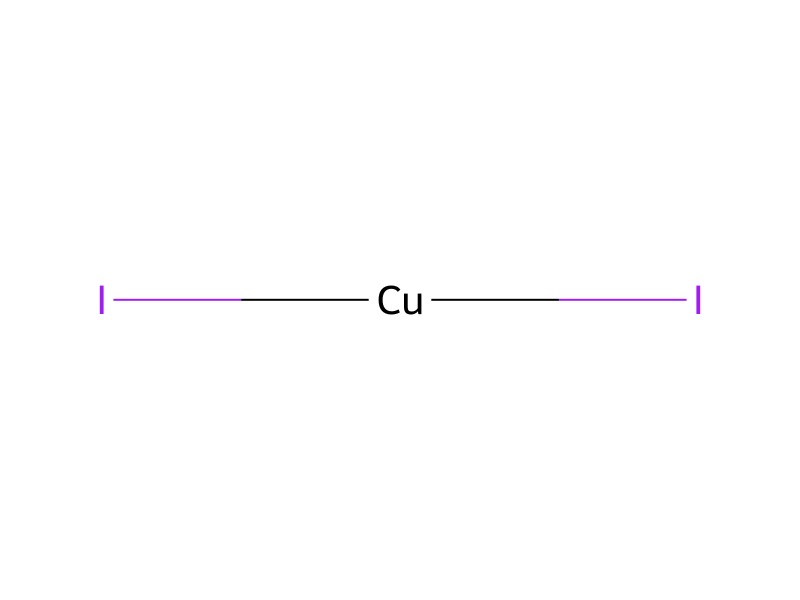
[Na].[C:2]1(C=CC=C(O)C=1O)[OH:3].Br[C:12]1[CH:17]=[C:16]([C:18]([CH3:21])([CH3:20])[CH3:19])[CH:15]=[C:14](Br)[C:13]=1[OH:23].[CH3:24][O-:25].[Na+]>[Cu](I)I.CN(C)C=O>[CH3:2][O:3][C:12]1[CH:17]=[C:16]([C:18]([CH3:21])([CH3:20])[CH3:19])[CH:15]=[C:14]([O:25][CH3:24])[C:13]=1[OH:23]참가 물질






실험 절차
Processes are well known for preparing alkoxyphenols from phenol halides, in other words, for substituting alkoxyl groups for the halogen substituents in phenols. Usually alkoxyphenols are produced by reacting with heating a phenol halide with an alcoholate prepared by dissolving metallic sodium in an alcohol, in a suitable solvent, such as dimethylformamide or an amine, in the presence of a copper halide serving as a catalyst. Laid-Open West German Patent Application No. 2627874 and Chemical Abstract 86, 171074 (1974), for example, disclose a process for synthesizing pyrogallol in which 2,6-dibromo-4-tert-butylphenol is reacted with sodium methoxide with use of copper iodide as a catalyst and dimethylformamide as a solvent to afford 2,6-dimethoxy-4-tert-butylphenol in a yield of 89%. Journal of Chemical Society (C), 312 (1969) further discloses that several kinds of aromatic halides, including phenol bromide, are reacted with sodium methoxide in a mixture of methanol and collidine with use of copper iodide as a catlyst to give the corresponding methoxidated aromatic compounds in yields of 37 to 99%.
후처리
- customprepared
출처 및 근거
- ORD 기록
- ord-0a4fbec833074cdc93f4b29bab990c62
- 출처 데이터셋
- uspto-grants-1986_05
- 특허 번호
- US04588835
반응 노트
불러오는 중…