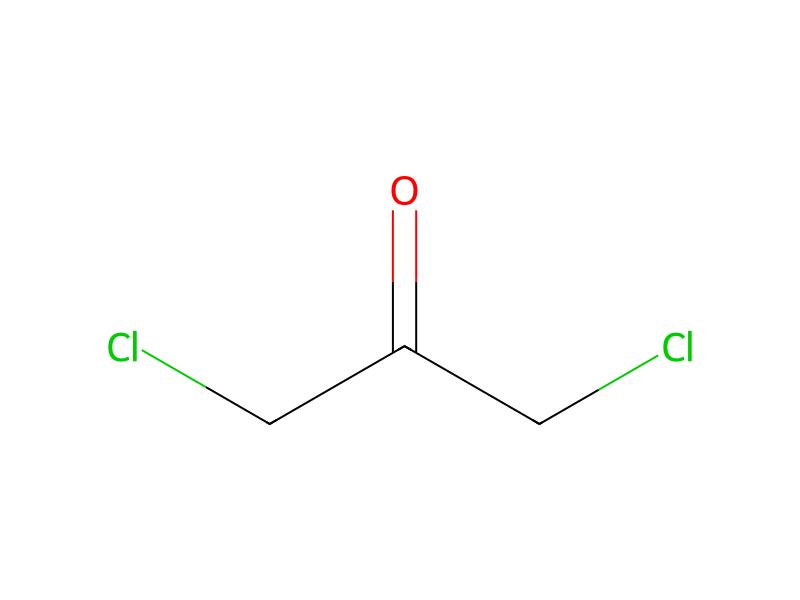
1,3-Dichloroacetone → 2-(5-Bromo-4-methyl-2-thienyl)-4-chloromethyloxazole
반응식

[Br:1][C:2]1[S:6][C:5]([C:7]([NH2:9])=[O:8])=[CH:4][C:3]=1[CH3:10].[Cl:11][CH2:12][C:13]([CH2:15]Cl)=O>>[Br:1][C:2]1[S:6][C:5]([C:7]2[O:8][CH:15]=[C:13]([CH2:12][Cl:11])[N:9]=2)=[CH:4][C:3]=1[CH3:10]참가 물질
3


실험 절차
In substantially the same manner as in Reference Example 47, 5-bromo-4-methyl-2-thiophenecarboxamide was allowed to react with 1,3-dichloroacetone to give 2-(5-bromo-4-methyl-2-thienyl)-4-chloromethyloxazole. The yield was 53%. Recrystallization from ethyl acetate-hexane gave clolorless prisms, mp 71-72° C.
출처 및 근거
- ORD 기록
- ord-ee9cbf52665b4d95b55b26e7429ee636
- 출처 데이터셋
- uspto-grants-2001_04
- 특허 번호
- US06211215B1
반응 노트
불러오는 중…