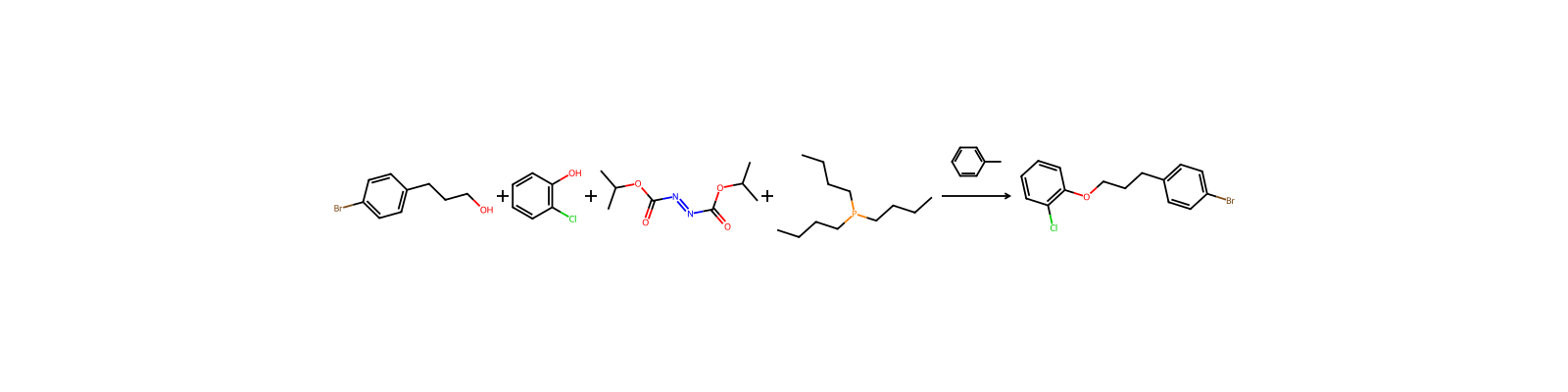
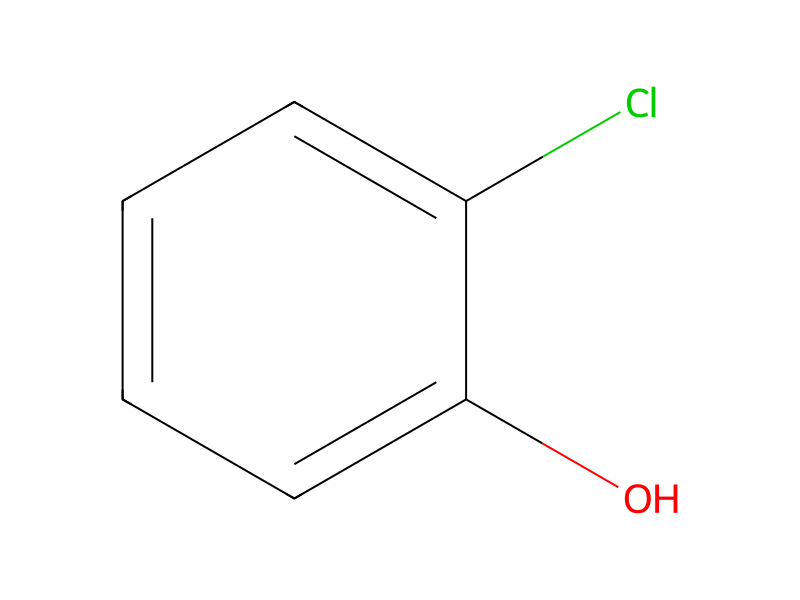
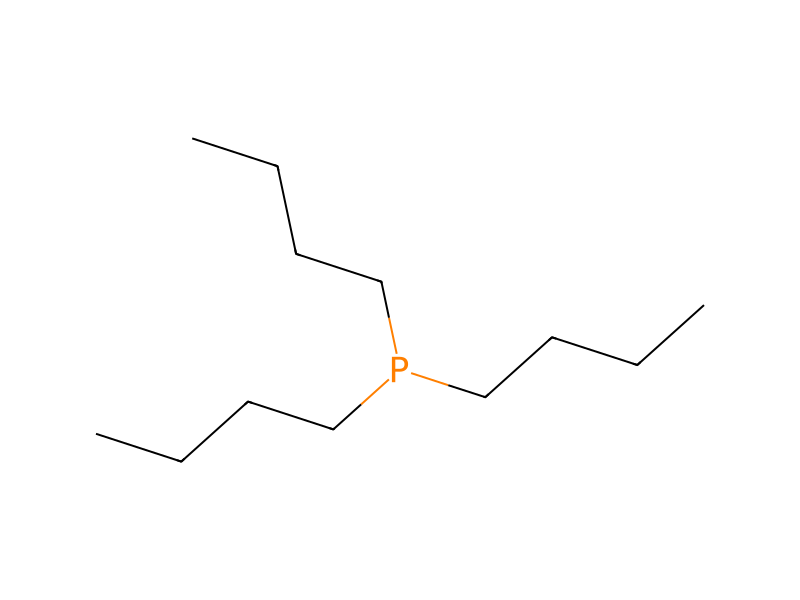
To a sol. of 3-(4-bromophenyl)propan-1-ol (Glover S. A., et al.; Tetrahearon, 1990, 46, 7247; 24.5 g, 0.114 mol) in toluene (600 mL) under nitrogen were added 2-chlorophenol (17.4 mL, 0.171 mmol), diisopropyl azodicarboxylate (33.1 mL, 0.171 mol) and tri-n-butylphosphine (42.2 mL, 0.171 mol). The sol. was heated to reflux and stirred under reflux overnight. The sol. was allowed to cool to rt and the solvents were removed under reduced pressure. The residue was diluted in EtOAc and washed with aq. 1M HCl (1×) and aq. 1M NaOH (2×). The org. extracts were dried over MgSO4, filtered and the solvents were removed under reduced pressure. Purification of the residue by FC (petroleum ether→Et2O/petroleum ether 1:99→1:19) led to the tide compound (15.1 g, 41%). Rf=0.70 (EtOAc/heptane 1:3).