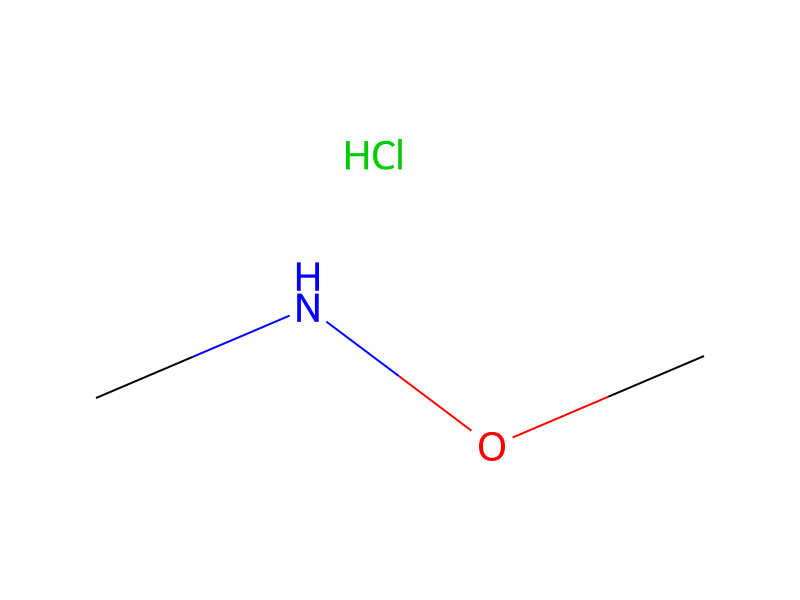
A solution of 2.73 g of 3,4-dihydro-1H-isoquinoline-2-carbonyl chloride, 55 mg of 4-dimethylamino-pyridine, 1.36 g of N,O-dimethylhydroxylamine hydrochloride and 4.85 ml of triethylamine in 30 ml of methylene chloride was heated to boiling under reflux for 22 h. The reaction mixture was treated at room temperature with 50 ml of a 5% sodium carbonate solution and extracted twice with 50 ml of methylene chloride each time. The combined organic phases were washed once with 50 ml of water and once with 50 ml of a saturated sodium chloride solution, dried over magnesium sulfate and concentrated. The residue was triturated with 50 ml of t-butyl methyl ether, a small amount of insoluble residue was filtered off under suction and the filtrate was concentrated. The residue was dried at room temperature and about 12 mbar. 2.87 g (93%) of 3,4-dihydro-1H-isoquinoline-2-carboxylic acid methoxy-methyl-amide were obtained as an orange oil. MS (EI): 220M30 .