반응식

[CH:1]([N:3]1[CH2:7][CH2:6][CH2:5][C:4]1=[O:8])=[CH2:2].[C:9]1([Sn:15]([Cl:28])([C:22]2[CH:27]=[CH:26][CH:25]=[CH:24][CH:23]=2)[C:16]2[CH:21]=[CH:20][CH:19]=[CH:18][CH:17]=2)[CH:14]=[CH:13][CH:12]=[CH:11][CH:10]=1>C1(C)C(C)=CC=CC=1>[CH:1]([N:3]1[CH2:7][CH2:6][CH2:5][C:4]1=[O:8])=[CH2:2].[C:9]1([Sn:15]([Cl:28])([C:16]2[CH:21]=[CH:20][CH:19]=[CH:18][CH:17]=2)[C:22]2[CH:27]=[CH:26][CH:25]=[CH:24][CH:23]=2)[CH:10]=[CH:11][CH:12]=[CH:13][CH:14]=1참가 물질
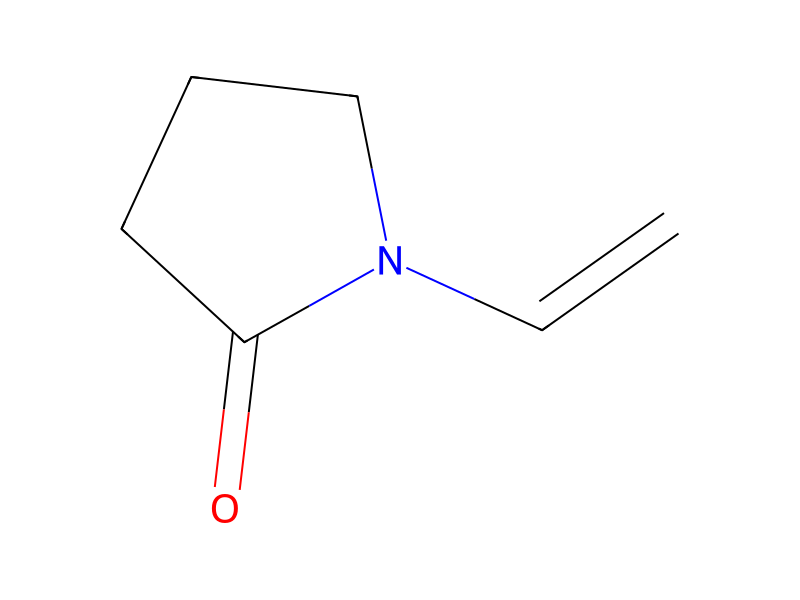



반응 조건
- 온도
- 50 °C
실험 절차
The same reactor as used in Example 1 was charged with 30 g of N-vinylpyrrolidone, 104 g of triphenyltin chloride and 200 g of xylene, and the mixture was stirred at 50° C. for 2 hours to form an N-vinylpyrrolidone/triphenyltin chloride adduct. Then, 50 g of butyl acrylate, 16 g of octyl acrylate and 0.5 g of benzoyl peroxide were added, and with stirring, the mixture was heated to 75° C. At this temperature, 0.2 g of benzoyl peroxide was added three times at intervals of 3 hours, and the polymerization reaction was carried out for a total of 12 hours to give an N-coordinated-triphenyltin-containing copolymer solution having a molecular weight of 77,000 (to be referred to as a copolymer solution [A-18]). This copolymer solution was used directly as an antifouling agent.
출처 및 근거
- ORD 기록
- ord-8a58580ccd064a9c91bd6696538e305f
- 출처 데이터셋
- uspto-grants-1985_07
- 특허 번호
- US04526932
연결된 노트
불러오는 중…