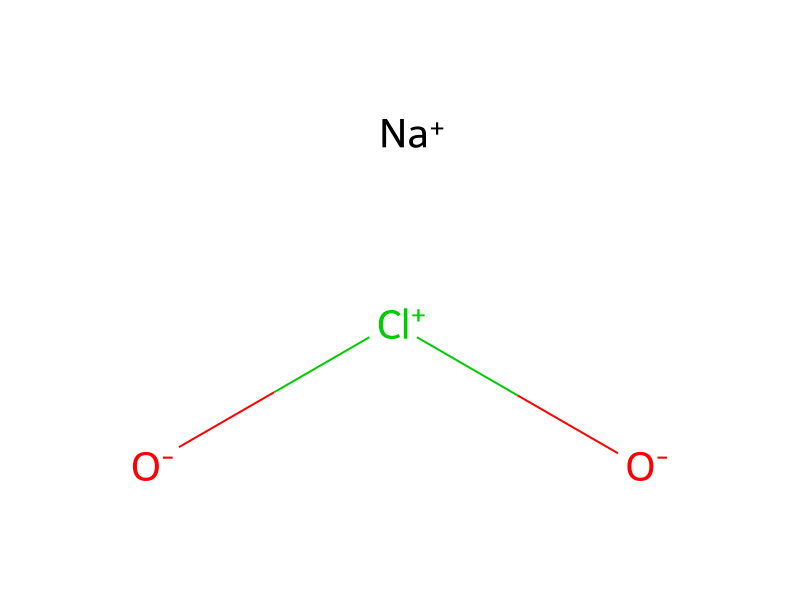
13.8 g (0.11 mol) of sodium hydrogen phosphate monohydrate in 170 ml of water, 49.3 g (0.43 mol) of 30% strength hydrogen peroxide solution and 66.2 g (0.59 mol) of 80% strength aqueous sodium chlorite solution were added in succession at 5° C. to a solution of 115.3 g (0.42 mol) of methyl 2-chloro-3-formyl-4-methylsulfonylbenzoate and 2000 ml of acetonitrile. The reaction solution was subsequently stirred for 1 hour at 5° C. and for 12 hours at room temperature. The pH was then brought to 1 using 10% strength hydrochloric acid, and 1500 ml of aqueous 40% strength sodium hydrogen sulfite solution were added. After the mixture had been stirred for 1 hour at room temperature, the aqueous phase was extracted three times with ethyl acetate. The combined organic phases were washed with sodium hydrogen sulfite solution and dried. After the solvent had been distilled off, 102.0 g of methyl 2-chloro-3-hydroxycarbonyl-4-methylsulfonylbenzoate were obtained.