Methanol → methyl [6-chloro-2-[(5,6,7,8-tetrahydroisoquinolin-3-yl)carbonyl]-1H-indol-3-yl]acetate
HRID 380560
반응식

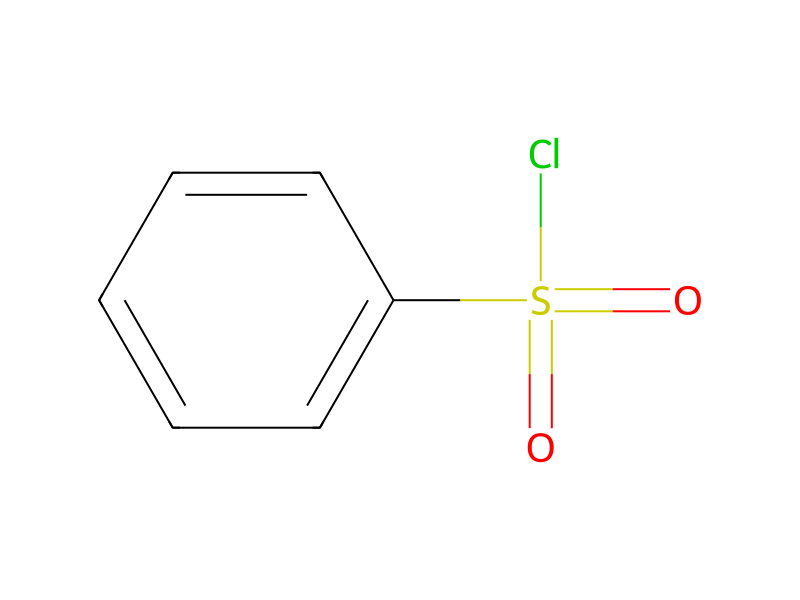
[Cl:1][C:2]1[CH:13]=[CH:12][C:5](/[CH:6]=[CH:7]/[C:8]([O:10][CH3:11])=[O:9])=[C:4]([NH2:14])[CH:3]=1.[N:15]1[CH:20]=[CH:19][CH:18]=[CH:17][CH:16]=1.[C:21]1(S(Cl)(=O)=O)[CH:26]=CC=[CH:23][CH:22]=1.[CH3:31][OH:32].Cl[CH2:34]Cl>>[Cl:1][C:2]1[CH:3]=[C:4]2[C:5]([C:6]([CH2:7][C:8]([O:10][CH3:11])=[O:9])=[C:34]([C:31]([C:16]3[N:15]=[CH:20][C:19]4[CH2:26][CH2:21][CH2:22][CH2:23][C:18]=4[CH:17]=3)=[O:32])[NH:14]2)=[CH:12][CH:13]=1