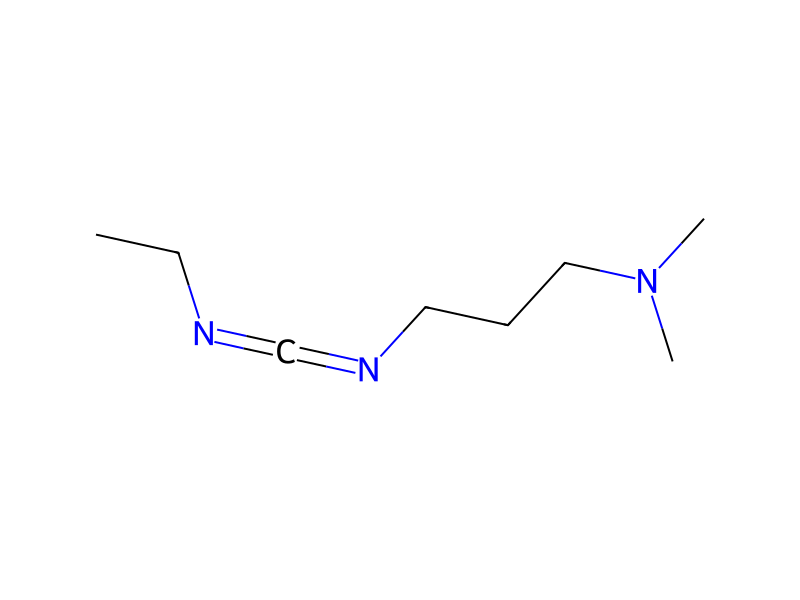
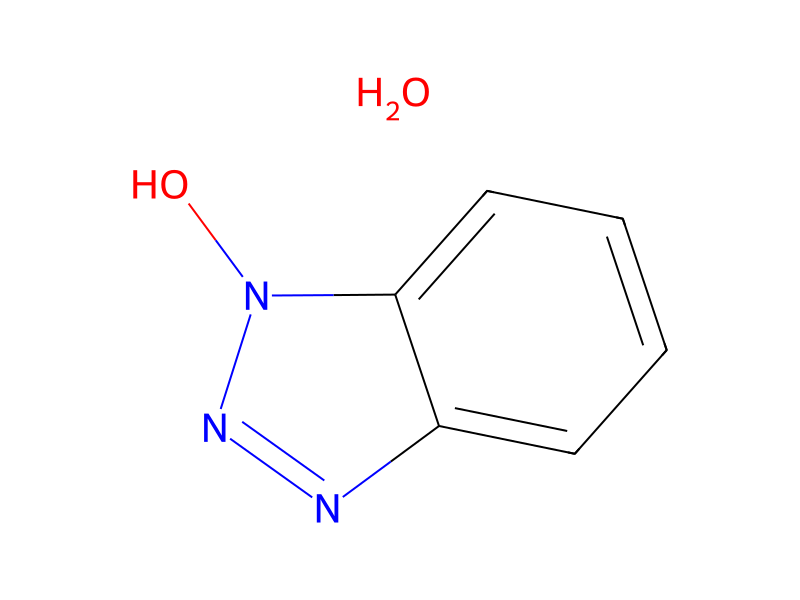
O.ON1C2C=CC=CC=2N=N1.[C:12]([NH:15][NH2:16])(=[O:14])[CH3:13].CN1CCOCC1.CN(C)CCCN=C=NCC.[F:35][C:36]1[CH:41]=[CH:40][C:39]([S:42]([N:45]2[CH2:50][CH2:49][CH2:48][CH2:47][C@H:46]2[C:51](O)=[O:52])(=[O:44])=[O:43])=[CH:38][CH:37]=1>ClCCl>[C:12]([NH:15][NH:16][C:51]([C@@H:46]1[CH2:47][CH2:48][CH2:49][CH2:50][N:45]1[S:42]([C:39]1[CH:38]=[CH:37][C:36]([F:35])=[CH:41][CH:40]=1)(=[O:44])=[O:43])=[O:52])(=[O:14])[CH3:13]1-Hydroxybenzotriazole hydrate (162 mg), acethydrazide (81 mg), N-methylmorpholine (275 μl) and 1-(3-dimethylaminopropyl)-3-ethylcarbodiimide (230 mg) were added to a stirred solution of (2S)-1-[(4-fluorophenyl)sulfonyl]-2-piperidinecarboxylic acid [see Preparation 38] (287 mg) in dichloromethane (3 ml). The reaction mixture was stirred for 3 hours after which time the mixture was partitioned between dichloromethane and water. The organic layer was separated, dried over magnesium sulphate and the solvent removed under reduced pressure to afford N′2-acetyl-(2S)-1-[(4-fluorophenyl)sulfonyl]-2-piperidinecarbohydrazide (340 mg) as a white solid.
불러오는 중…