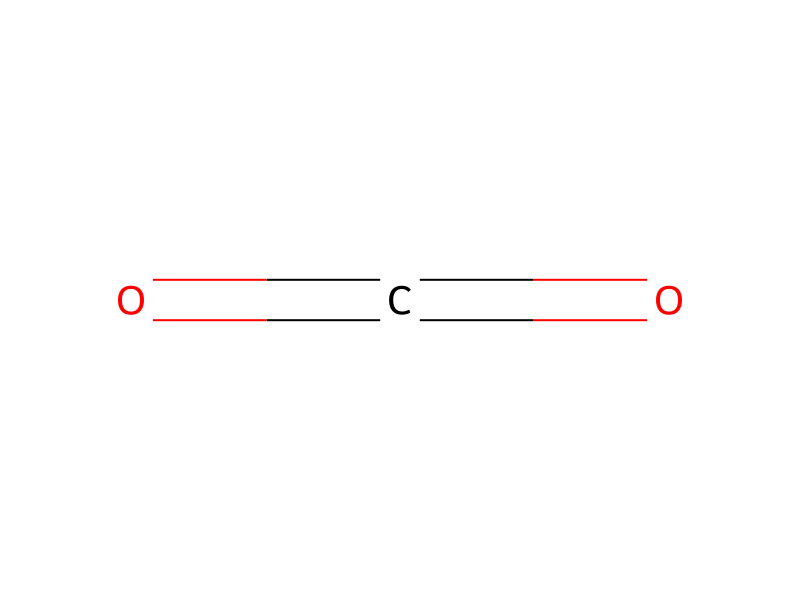
Carbon Dioxide → 4-[5-(3,5-Dichloro-phenyl)-2-methyl-5-trifluoromethyl-2,5-dihydro-isoxazol-3-yl]-2-methyl-benzoic acid
HRID 405695
반응식

Br[C:2]1[CH:7]=[CH:6][C:5]([C:8]2[N:9]([CH3:25])[O:10][C:11]([C:17]3[CH:22]=[C:21]([Cl:23])[CH:20]=[C:19]([Cl:24])[CH:18]=3)([C:13]([F:16])([F:15])[F:14])[CH:12]=2)=[CH:4][C:3]=1[CH3:26].[Li]CCCC.[C:32](=[O:34])=[O:33].Cl>C1COCC1.CCCCCC.CCOCC>[Cl:24][C:19]1[CH:18]=[C:17]([C:11]2([C:13]([F:16])([F:15])[F:14])[O:10][N:9]([CH3:25])[C:8]([C:5]3[CH:6]=[CH:7][C:2]([C:32]([OH:34])=[O:33])=[C:3]([CH3:26])[CH:4]=3)=[CH:12]2)[CH:22]=[C:21]([Cl:23])[CH:20]=1참가 물질
8