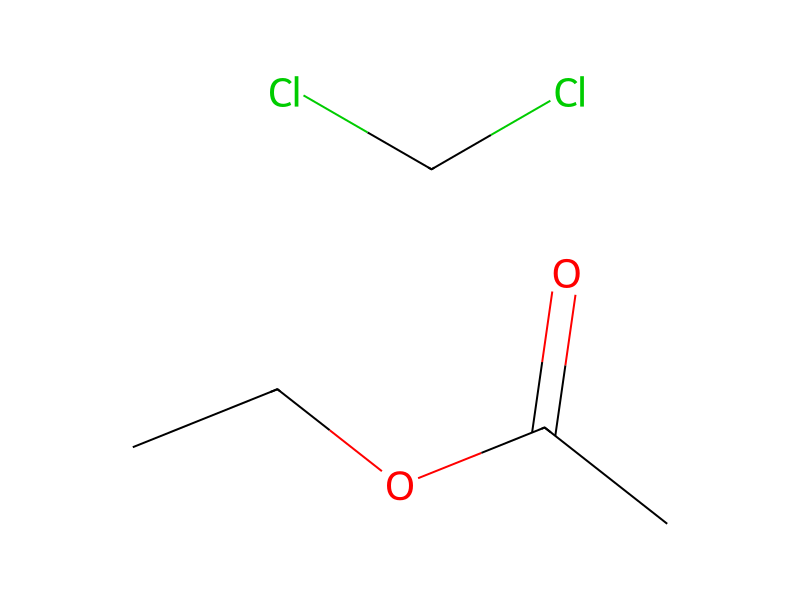
According to the method of J. Chem. Soc. (C), 1664 (1967), combine methyl 2-methoxy-5-aminobenzoate (2.0 g, 11 mmol), N,N-dimethylformamide azine (1.56 g, 11 mmol), p-toluenesulfonic acid (190 mg) in toluene (25 mL). Fit the reaction vessel with a gas inlet such that the head space of the vessel is swept with argon and scrub the effluent through dilute aqueous hydrochloric acid solution. Heat to reflux. After 20 hours, concentrate the reaction mixture in vacuo to give a residue. Partition the residue between dichloromethane and a saturated aqueous sodium bicarbonate solution. Extract the aqueous layer twice with dichloromethane. Combine the organic layers, dry over MgSO4, filter, and evaporate in vacuo to give a residue. Chromatograph the residue on silica gel eluting sequentially with 70% ethyl acetate/dichloromethane and then 5% methanol/dichloromethane to give a residue. Recrystallize the residue form ethyl acetate/hexane to give methyl 2-methoxy-5-(4H-triazol-4-yl)benzoate: mp; 191-195.5° C. Alternately, according to the method of J. Med. Chem., 21, 1100 (1978), combine methyl 2-methoxy-5-aminobenzoate (1.8 g, 10 mmol), diformyl hydrazine (0.97 g, 11 mmol), and phosphorous pentoxide (1.84 g, 13 mmol). Heat to 160° C. After 1.5 hours, cool the reaction mixture and add a saturated aqueous solution of sodium bicarbonate. Extract three times with dichloromethane. Dry the combined organic layers over MgSO4, filter, and evaporate in vacuo to give a residue. Chromatograph the residue on silica gel eluting sequentially with 40% ethyl acetate/dichloromethane and then 5% methanol/dichloromethane to give methyl 2-methoxy-5-(4H-triazol-4-yl)benzoate: mp; 179-182° C.