Methanol → HCID 53787608, 화합물
반응식

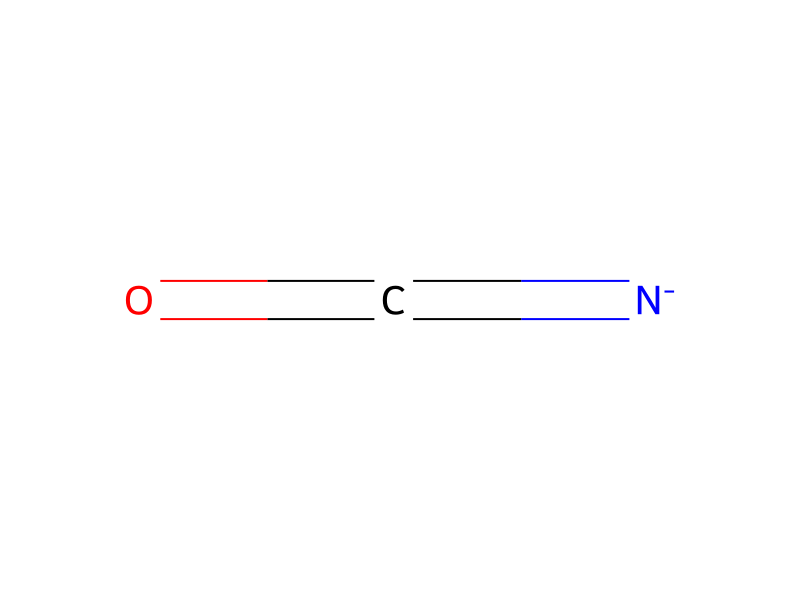
[CH3:1][OH:2].[H-].[Na+].[N:5]([C:14]([N:18]=[C:19]=[O:20])([CH2:16][CH3:17])[CH3:15])=[N:6][C:7]([N:11]=[C:12]=[O:13])([CH2:9][CH3:10])[CH3:8].[N-]=[C:22]=[O:23]>O>[N:5]([C:14]([NH:18][C:19]([O:23][CH3:22])=[O:20])([CH2:16][CH3:17])[CH3:15])=[N:6][C:7]([NH:11][C:12]([O:2][CH3:1])=[O:13])([CH2:9][CH3:10])[CH3:8]참가 물질
6





실험 절차
To 50 ml of methanol in a 125 ml erlenmeyer flask stirred with a magnetic stirrer, was slowly added 2.1 grams (0.05 moles) of 57% sodium hydride. After the temperature came back down to 30° C., 5.6 grams (0.025 moles) of 2,2'-azobis(2-isocyanatobutane) was added dropwise over 2 minutes from an eyedropper. The reaction mixture exothermed to 45° C. over this period. The reaction mixture was stirred an additional 11/2 hours, poured into 200 ml water and the product extracted with a solution of 75 ml of pentane and 40 ml methylene chloride. The organic layer was separated, washed twice with water, once with 10% NaHCO3 solution, dried over anhydrous Na2SO4, filtered and the solvent evaporated under reduced pressure to leave 2.0 grams (28% crude yield) of an orange liquid. The product had a strong carbonyl band at 1700 cm-1 and a sharp NH band at 3340 cm-1 and there is no isocyanate band at 2200 cm-1.