반응식

[CH2:1]([N:4]1[C:13](=[O:14])[C:12]2[NH:11][CH:10]=[N:9][C:8]=2[N:7]([CH2:15][CH2:16][CH3:17])[C:5]1=[O:6])[CH2:2][CH3:3].[OH-].[Na+].Cl[CH2:21][CH:22]([OH:25])[CH2:23][OH:24].C>O.C(O)(C)C.C(Cl)(Cl)Cl.CO>[OH:25][CH:22]([CH2:23][OH:24])[CH2:21][N:11]1[C:12]2[C:13](=[O:14])[N:4]([CH2:1][CH2:2][CH3:3])[C:5](=[O:6])[N:7]([CH2:15][CH2:16][CH3:17])[C:8]=2[N:9]=[CH:10]1참가 물질
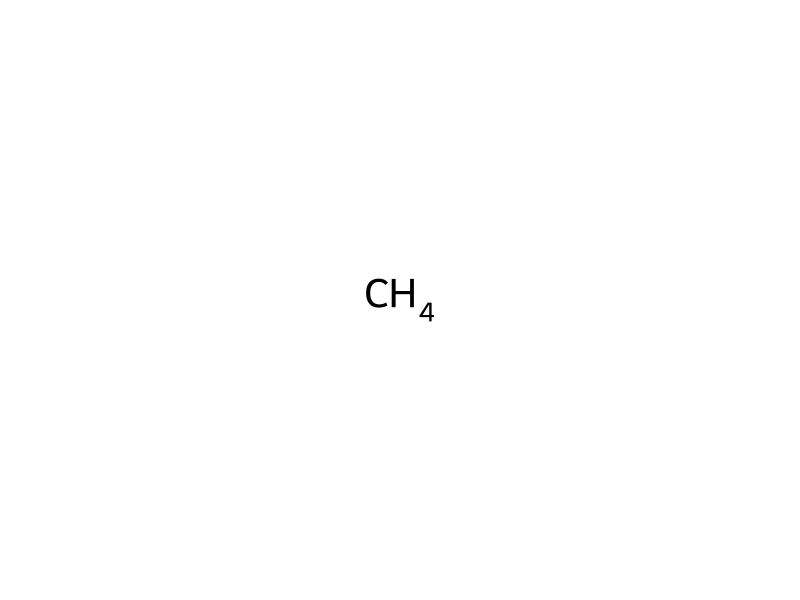







실험 절차
A suspension of 1,3-di-n-propylxanthine (250.1 g., 1.06 mole) in water (300 ml.) was treated with sodium hydroxide solution (50%, 85 ml.). The mixture was filtered, and evaporated to dryness. The residue obtained was treated with a solution of 1-chloro-2,3-dihydroxypropane (170 g., 1.59 mole) in isopropanol (700 ml.). The mixture was stirred at reflux overnight, filtered, and evaporated to dryness to obtain a brown gummy residue. This residue was dissolved in isopropyl alcohol, and stirred overnight with charcoal (20 gm.). The mixture was filtered, concentrated and allowed to crystallize over night at 0° to -5° C. The crystals were filtered, suspended in ether, refiltered and air dried to yield white crystals (224 g., 72.17%), melting point 88° - 91°. Tlc (5μl of a 5% solution) on a silica plate developed in chloroform:methanol (9.5:0.5) showed one spot. IR and NMR spectra were consistent with the proposed structure.
후처리
- filtrationThe mixture was filtered
- customevaporated to dryness
- customThe residue obtained
- temperatureat reflux overnight
- filtrationfiltered
- customevaporated to dryness
- customto obtain a brown gummy residue
- filtrationThe mixture was filtered
- concentrationconcentrated
- customto crystallize over night at 0° to -5° C
- filtrationThe crystals were filtered
- customair dried
- customto yield white crystals (224 g., 72.17%), melting point 88° - 91°
출처 및 근거
- ORD 기록
- ord-416bfc39d5184c4ca3f8be7fd02d440f
- 출처 데이터셋
- uspto-grants-1977_06
- 특허 번호
- US04031218
연결된 노트
불러오는 중…