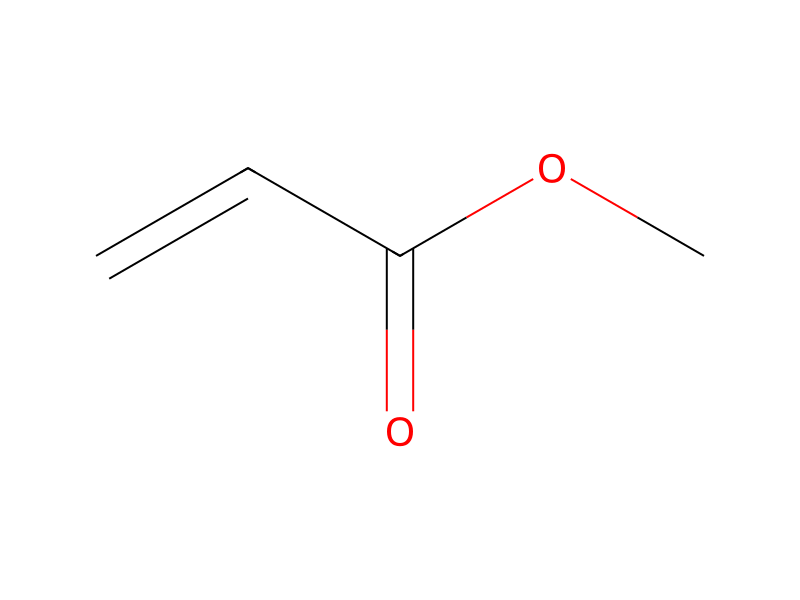
To a DMF solution (0.25 mL) of palladium acetate (38.0 mg, 0.17 μmol), compound (1) (0.50 g, 1.71 mmol) as well as tributylamine (0.41 μL, 1.71 mmol), methyl acrylate (0.38 L, 4.27 mmol) and H2O (1.0 mL) were added in this order. The reaction solution was allowed to react for 10 minutes at 160° C. using microwaves, and the reaction was traced by TLC to confirm the disappearance of compound (1). The palladium powder was removed by Kiriyama filtration, and then the residue was purified by column chromatography (HexH:AcOEt=3:1). Thus, compound (7) (0.26 g, 62%) was obtained as a white powder.