홈MCP워크벤치Skills
홈워크벤치알림마이페이지
llms.txt · MCP 가이드개인정보처리방침 · 이용약관 · 지원v1.8.3
  1. 홈
  2. /반응

Potassium Iodide → 2-[4-(3-Piperidin-1-yl-propoxy)-benzyl]-1,2,3,4-tetrahydro-isoquinoline

HRID 456943
인쇄

반응식

HRID 456943 반응식
Cl[CH2:2][CH2:3][CH2:4][O:5][C:6]1[CH:13]=[CH:12][C:9]([CH:10]=O)=[CH:8][CH:7]=1.[CH2:14]1[C:23]2[C:18](=[CH:19][CH:20]=[CH:21][CH:22]=2)[CH2:17][CH2:16][NH:15]1.C(O[BH-](OC(=O)C)OC(=O)C)(=O)C.[Na+].C(=O)(O)[O-].[Na+].[NH:43]1[CH2:48][CH2:47][CH2:46][CH2:45][CH2:44]1.C(=O)([O-])[O-].[Na+].[Na+].[I-].[K+]>ClCCCl.C(O)CCC.O.C(O)(=O)C>[N:43]1([CH2:2][CH2:3][CH2:4][O:5][C:6]2[CH:13]=[CH:12][C:9]([CH2:10][N:15]3[CH2:16][CH2:17][C:18]4[C:23](=[CH:22][CH:21]=[CH:20][CH:19]=4)[CH2:14]3)=[CH:8][CH:7]=2)[CH2:48][CH2:47][CH2:46][CH2:45][CH2:44]1
참가 물질반응 조건실험 절차후처리출처 및 근거반응 노트

참가 물질

12

반응물 7

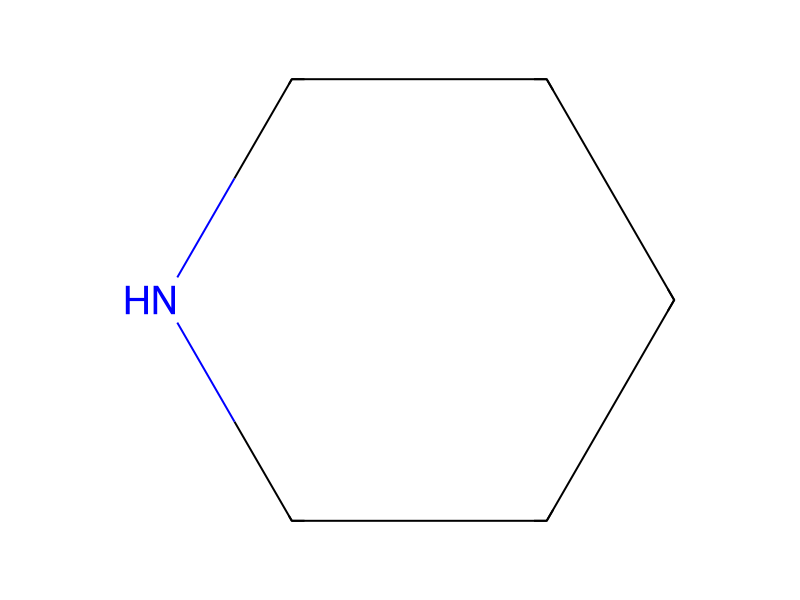
HCID 4875Potassium IodideHCID 70461,2,3,4-TetrahydroisoquinolineHCID 8082PiperidineHCID 10340Sodium CarbonateHCID 516892Sodium BicarbonateHCID 35514794-(3-Chloropropoxy)-benzaldehydeHCID 5049666Sodium triacetoxyborohydride

생성물 1

HCID 99472272-[4-(3-Piperidin-1-yl-propoxy)-benzyl]-1,2,3,4-tetrahydro-isoquinoline

시약·촉매·용매 4

HCID 111,2-Dichloroethane용매HCID 176Acetic Acid용매HCID 2631-Butanol용매HCID 962Water용매

반응 조건

온도
105 °C

실험 절차

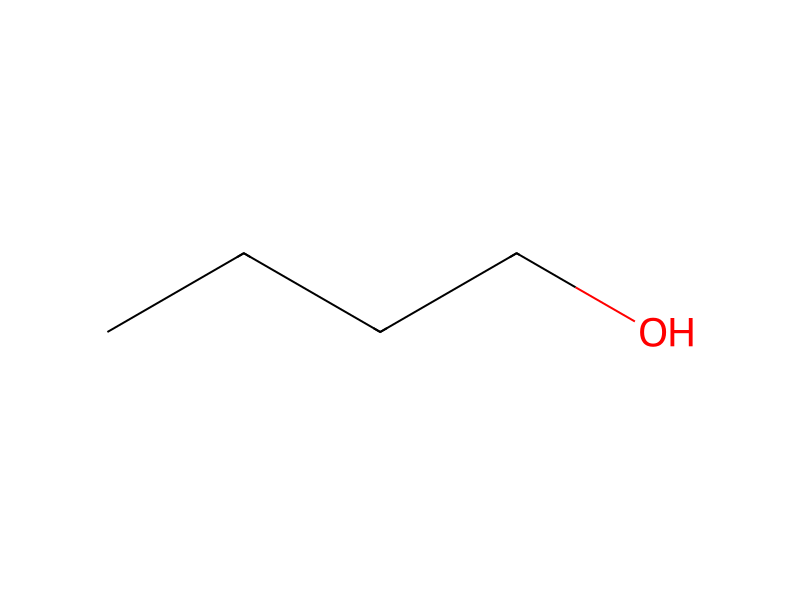
A solution of the product of Example 11 (1.0 g), 1,2,3,4-tetrahydro-isoquinoline (0.0.69 mL), and acetic acid (0.29 mL) in DCE (10 mL) was treated with sodium triacetoxyborohydride (1.5 g). After 16 h, saturated aqueous sodium bicarbonate was added. The resulting mixture was extracted with DCM (3×10 mL). The combined organic phases were dried (magnesium sulfate) and evaporated, giving a material which was dissolved in n-butanol (20 mL), treated with piperidine (0.65 mL), sodium carbonate (800 mg), and potassium iodide (42 mg), and heated to 105° C. After 16 h, the reaction was cooled to RT, treated with water (10 mL), and extracted with DCM (3×20 mL). The combined organic phases were dried (magnesium sulfate) and evaporated. The residue was treated with ether (20 mL), and filtered. The filtrate was treated with hydrogen chloride (2.5 mL of a 2 M solution in ether) followed by methanol (3 mL). The resulting solution was stirred for 1 h, and evaporated. The residue was dried in vacuo, and ether was added, followed by enough methanol to cause a precipitate to form. Filtration gave the title compound as an amorphous pink powder (0.86 g). 1H NMR (400 MHz, CDCl3): 7.27 (d, J=8.6 Hz, 2H), 7.13–7.05 (m, 4H), 6.99–6.96 (m, 1H), 6.89–6.83 (m, 2H), 4.00 (t, J=6.3 Hz, 2H), 3.60 (s, 4H), 2.89 (t, J=5.7 Hz, 2H), 2.72 (t, J=5.8 Hz, 2H), 2.53–2.37 (m, 6H), 2.03–1.95 (m, 2H), 1.64–1.57 (m, 4H), 1.49–1.40 (m, 2H).


후처리

  1. extractionThe resulting mixture was extracted with DCM (3×10 mL)
  2. dry with materialThe combined organic phases were dried (magnesium sulfate)
  3. customevaporated
  4. customgiving a material which
  5. waitAfter 16 h
  6. temperaturethe reaction was cooled to RT
  7. extractionextracted with DCM (3×20 mL)
  8. dry with materialThe combined organic phases were dried (magnesium sulfate)
  9. customevaporated
  10. additionThe residue was treated with ether (20 mL)
  11. filtrationfiltered
  12. additionThe filtrate was treated with hydrogen chloride (2.5 mL of a 2 M solution in ether)
  13. customevaporated
  14. dry with materialThe residue was dried in vacuo, and ether
  15. additionwas added
  16. customto form
  17. filtrationFiltration

출처 및 근거

ORD 기록
ord-ca88efe950c94562a9f3512f075f959d
출처 데이터셋
uspto-grants-2007_03
DOI
10.6084/m9.figshare.5104873.v1
특허 번호
US07186732B2

반응 노트

이 페이지에서참가 물질반응 조건실험 절차후처리출처 및 근거반응 노트