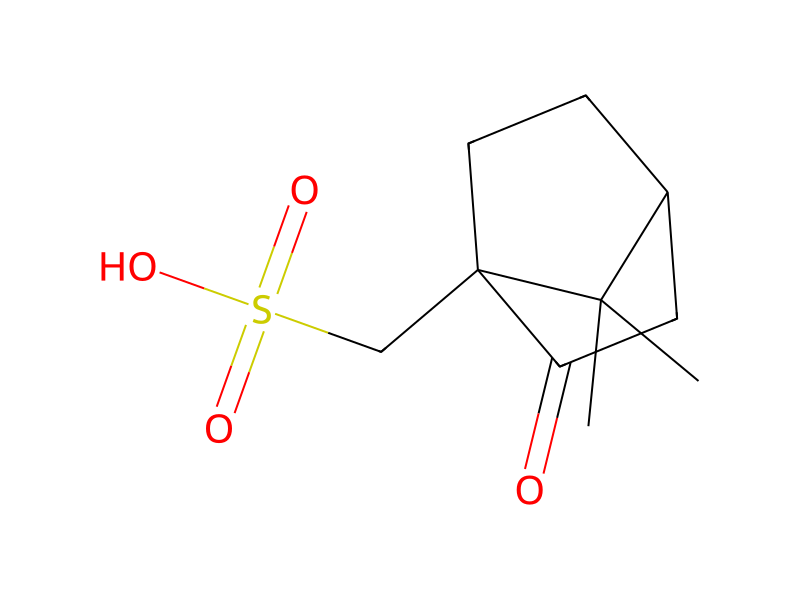
[Br:1][C:2]1[CH:10]=[CH:9][C:5]2[NH:6][CH:7]=[N:8][C:4]=2[C:3]=1[F:11].[O:12]1[CH:17]=[CH:16][CH2:15][CH2:14][CH2:13]1.C12(CS(O)(=O)=O)C(C)(C)C(CC1)CC2=O>C1COCC1>[Br:1][C:2]1[CH:10]=[CH:9][C:5]2[N:6]([CH:13]3[CH2:14][CH2:15][CH2:16][CH2:17][O:12]3)[CH:7]=[N:8][C:4]=2[C:3]=1[F:11]To a solution of 144 (24 g, 0.111 mol) in dry THF (720 mL) was added 3,4-dihydro-2H-pyran (28.1 g, 0.334 mol) and camphorsulfonic acid (2.6 g, 0.011 mol) then heated to reflux for 16 h. The resulting mixture was concentrated and the residue purified by SiO2 chromatography eluting with 20% EtOAc/petroleum ether to afford 26 g (78%) of 5-bromo-4-fluoro-1-(tetrahydro-pyran-2-yl)-1H-benzoimidazole (146) as pale yellow oil: 1H-NMR (400 MHz, RT, DMSO-d6): δ 1.57-1.63 (m, 2H), 1.70-1.74 (m, 1H), 1.91-2.04 (m, 2H), 2.15-2.19 (m, 1H), 3.73-3.77 (m, 1H), 3.96-4.03 (m, 1H), 5.68-5.71 (dd, 1H), 7.50-7.53 (d, 2H), and 8.51 (s, 1H); MS (ESI): m/z=301.0 [M+1]+.