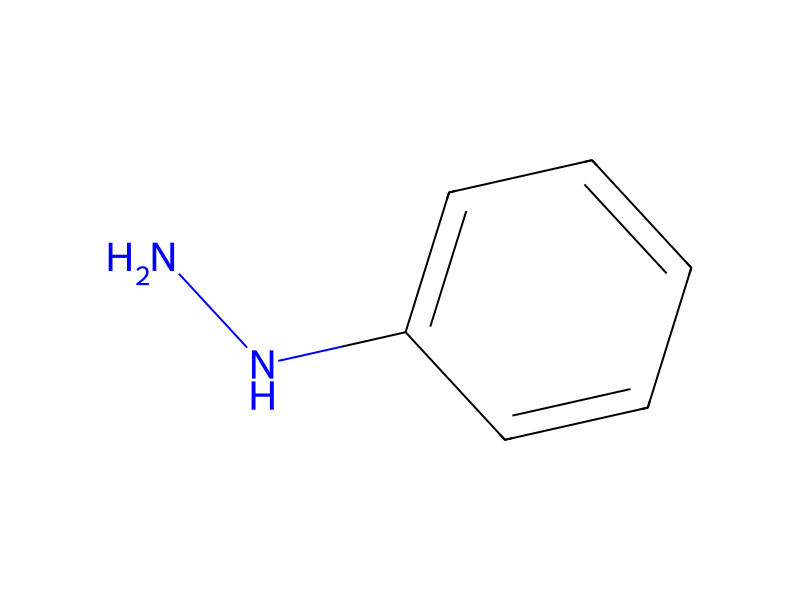
Under nitrogen, 2-acetyl-5-bromobenzo[b]furan (commercially available, 5.0 g, 1 eq.) is initially charged in absolute ethanol. Phenylhydrazine (97%; 2.33 g, 1 eq.) is introduced. 20 drops of glacial acetic acid are added to this mixture and the reaction is stirred at room temperature for 24 h. Then phenylhydrazine (97%; 0.36 g, 0.15 eq.) is added and the mixture is stirred at room temperature for a further 5 h. The solids are filtered off and washed with distilled water. Dried under reduced pressure at 65° C. This gives 6.65 g of intermediate. This is introduced gradually into polyphosphoric acid (60 g), and the mixture is heated to 120° C. and stirred for a further 1 h. 0.5 l of distilled water is cautiously added dropwise to the reaction and the mixture is stirred for a further 2 h. The suspension obtained is neutralized with 50% sodium hydroxide solution. The suspension is filtered with suction and the solids are washed with distilled water. The solids obtained are dried under reduced pressure. This gives 6.07 g of slightly contaminated product (crude yield 93%). This is used in the next stage without purification.