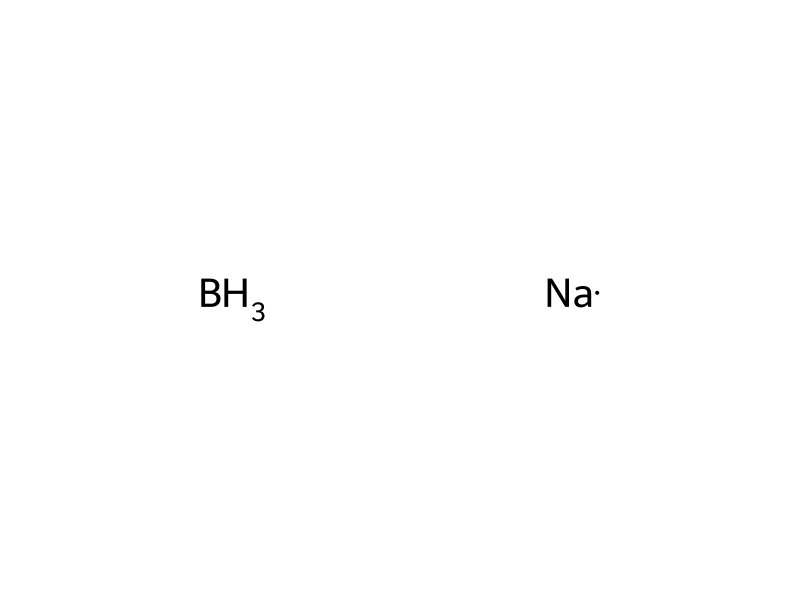
5.0 g (14.7 mmol) of 4-ethyl-3-(3-chlorophenyl)-1-(3-isopropylphenyl)-3-pyrroline-2-one synthesized in Example 4 and 0.56 g (14.7 mmol) of sodium boron hydride were dissolved in 70 ml of tetrahydrofuran, and 11 ml of methanol were slowly added to the solution over about 1 hour, while the solution was heated under reflux. Reaction was allowed to proceed at the same temperature for further 1 hour, and the reaction mixture was then poured into 1 N hydrochloric acid, followed by extraction with ethyl acetate. The resultant organic layer was washed with water, an aqueous saturated sodium bicarbonate solution and water in this order, and then dried over magnesium sulfate. The solvent was distilled off under reduced pressure, and n-hexane was then added to the resultant residue to achieve crystallization, followed by recrystallization from etherpetroleum ether, thereby obtaining 4.5 g of the desired product in the state of colorless crystals (yield 90%). m.p. 88.5°-90.0° C.