반응식

O.O.[C:3](O)(=O)[C:4]([OH:6])=[O:5].[CH3:9][N:10]([CH3:24])[CH2:11][CH2:12][C:13]1[C:21]2[C:16](=[CH:17][CH:18]=[C:19]([CH:22]=[O:23])[CH:20]=2)[NH:15][CH:14]=1.C(O)(=O)[C:26]([OH:28])=[O:27]>C(O)C>[CH:22]([C:19]1[CH:20]=[C:21]2[C:16](=[CH:17][CH:18]=1)[NH:15][CH:14]=[C:13]2[CH2:12][CH2:11][NH+:10]([CH3:9])[CH3:24])=[O:23].[C:26]([CH2:3][C:4]([O-:6])=[O:5])([OH:28])=[O:27]참가 물질
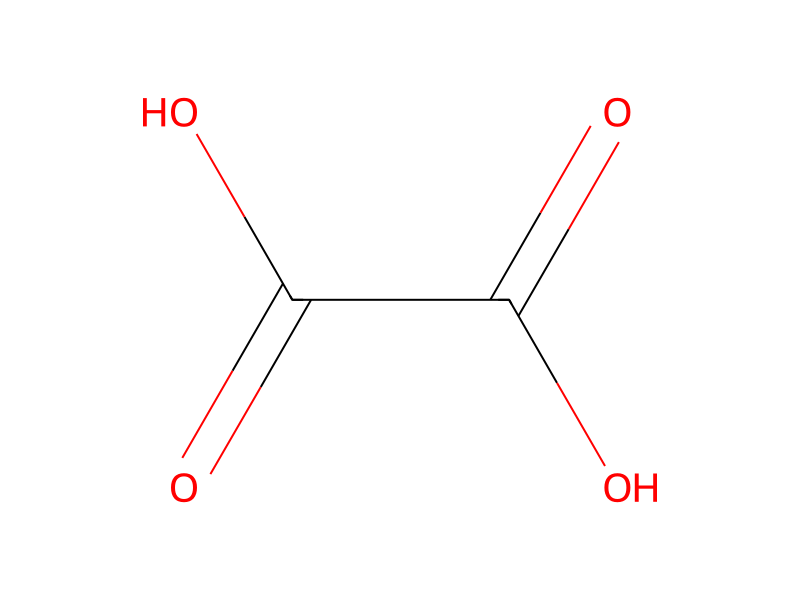



실험 절차
A solution of oxalic acid di-hydrate (2.91 g, 23.12 mmol) in ethanol (15 ml) is added slowly to a refluxing solution of 3-(2-Dimethylamino-ethyl)-1H-indole-5-carbaldehyde (5.0 g, 23.12 mmol) in ethanol (15 ml). On addition of ca. 70% of the oxalic acid solution, crystallization of the product as a microcrystalline solid starts. The salt is filtered off, washed twice with ethanol/ether (1:1 v:v, 15 ml each portion) and ether (30 ml) and dried to give 6.45 g (91.1%) of a cream coloured very fine leaflets. The DSC shows three endothermic regions: 150° C. (broad, probably phase transition), 168.6° C. (probably melting point) and 237.7° C. (probably decomposition). 1H-NMR (DMSO, 300 MHz) δ 2.84 (s, 6H, NH(CH3)2); 3.17, 3.31 (2 m, 2H each, CH2CH2NHMe2); 7.39 (d, 1H, J=2.3 Hz, H-2); 7.52 (d, 1H, J=8.5 Hz, H-7); 7.66 (dd, 1H, J=1.9 Hz, H-6); 8.20 (v br s, 1H, NH); 8.25 (d, 1H, H-4); 9.96 (s, 1H, CHO); 11.60 (s, 1H, NHMe2). 13C-NMR (DMSO, 75 MHz) δ 20.86 (CH2); 43.01 (NH(CH3)2); 57.52 (CH2NHMe2); 112.35 (C-3); 112.97 (C-7); 121.78 (C-6); 124.72 (C-4); 126.19 (C-2); 127.30 (C-9); 129.17 (C-5); 140.33 (C-8); 165.47 (oxalate); 192.91 (CHO).
후처리
- filtrationThe salt is filtered off
- washwashed twice with ethanol/ether (1:1 v:v, 15 ml each portion) and ether (30 ml)
- customdried
- customto give 6.45 g (91.1%) of a cream
- custom150° C.
- custom168.6° C.
- custom237.7° C.
출처 및 근거
- ORD 기록
- ord-14d002b16d0f40a08e9da2372ab7541f
- 출처 데이터셋
- uspto-grants-2010_08
- 특허 번호
- US07786156B2
연결된 노트
불러오는 중…