홈MCP워크벤치Skills
홈워크벤치알림마이페이지
llms.txt · MCP 가이드개인정보처리방침 · 이용약관 · 지원v1.8.3
  1. 홈
  2. /반응

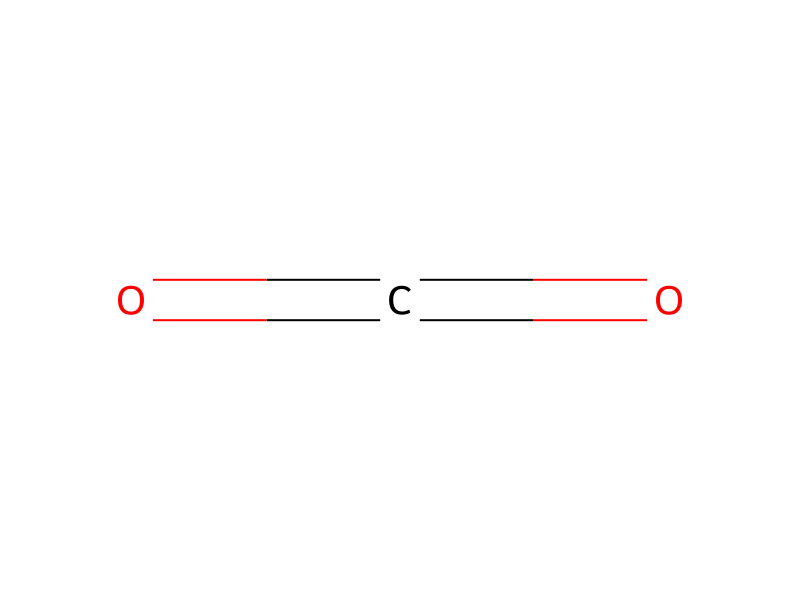
Carbon Dioxide → Lithium 4-(1-hydroxy-1-methylethyl)-2-propyl-1-{4-[2-(trityltetrazol-5-yl)phenyl]phenyl}methylimidazole-5-carboxylate

HRID 52984
인쇄

반응식

HRID 52984 반응식
O.[OH-].[Li+:3].[OH:4][C:5]([C:8]1[N:9]=[C:10]([CH2:55][CH2:56][CH3:57])[N:11]([CH2:18][C:19]2[CH:24]=[CH:23][C:22]([C:25]3[CH:30]=[CH:29][CH:28]=[CH:27][C:26]=3[C:31]3[N:35]([C:36]([C:49]4[CH:54]=[CH:53][CH:52]=[CH:51][CH:50]=4)([C:43]4[CH:48]=[CH:47][CH:46]=[CH:45][CH:44]=4)[C:37]4[CH:42]=[CH:41][CH:40]=[CH:39][CH:38]=4)[N:34]=[N:33][N:32]=3)=[CH:21][CH:20]=2)[C:12]=1[C:13]([O:15]CC)=[O:14])([CH3:7])[CH3:6].C(=O)=O>O.O1CCOCC1>[OH:4][C:5]([C:8]1[N:9]=[C:10]([CH2:55][CH2:56][CH3:57])[N:11]([CH2:18][C:19]2[CH:20]=[CH:21][C:22]([C:25]3[CH:30]=[CH:29][CH:28]=[CH:27][C:26]=3[C:31]3[N:35]([C:36]([C:49]4[CH:54]=[CH:53][CH:52]=[CH:51][CH:50]=4)([C:43]4[CH:44]=[CH:45][CH:46]=[CH:47][CH:48]=4)[C:37]4[CH:38]=[CH:39][CH:40]=[CH:41][CH:42]=4)[N:34]=[N:33][N:32]=3)=[CH:23][CH:24]=2)[C:12]=1[C:13]([O-:15])=[O:14])([CH3:6])[CH3:7].[Li+:3]
참가 물질실험 절차후처리출처 및 근거반응 노트

참가 물질

6

반응물 3

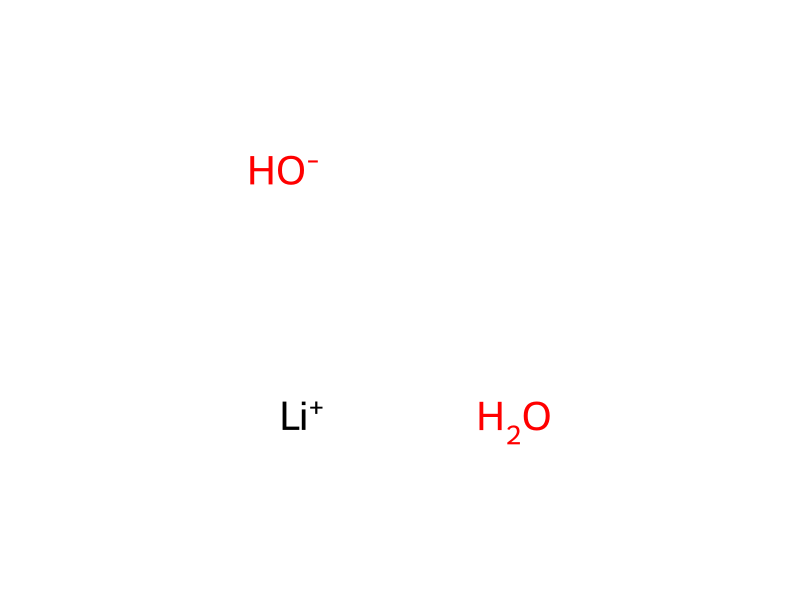
HCID 280Carbon DioxideHCID 168937Lithium hydroxide, monohydrateHCID 19036118Ethyl 4-(2-hydroxypropan-2-yl)-2-propyl-1-((2'-(1-trityl-1H-tetrazol-5-yl)biphenyl-4-yl)methyl)-1H-imidazole-5-carboxylate

생성물 1

HCID 23701987Lithium 4-(1-hydroxy-1-methylethyl)-2-propyl-1-{4-[2-(trityltetrazol-5-yl)phenyl]phenyl}methylimidazole-5-carboxylate

시약·촉매·용매 2

HCID 962
Water
용매
HCID 312751,4-Dioxane용매

실험 절차

A solution of 2.65 g of lithium hydroxide monohydrate in 158 ml of water was added, whilst ice-cooling, to a solution of 30 g of ethyl 4-(1-hydroxy-1-methylethyl)-2-propyl-1-{4-[2-(trityltetrazol-5-yl)phenyl]phenyl}methylimidazole-5-carboxylate [prepared as described in Example 18(a)] in 344 ml of dioxane, and the resulting mixture was stirred at 5°-10° C. for 20 hours. At the end of this time, small pieces of dry ice were added to the mixture, which was then concentrated by evaporation under reduced pressure to a volume of about 100 ml. Ethyl acetate and sodium chloride were added to the concentrate, and the mixture was stirred. The ethyl acetate layer was separated, dried over anhydrous sodium sulfate and concentrated by evaporation under reduced pressure, to give lithium 4-(1-hydroxy-1-methylethyl)-2-propyl-1-{4-[2-(trityltetrazol-5-yl)phenyl]phenyl}methylimidazole-5-carboxylate as a glass. 6.08 g of potassium carbonate were added, whilst ice-cooling, to a solution of whole of this lithium carboxylate in 160 ml of N,N-dimethylacetamide, and then a solution of 11.2 g of 4-chloromethyl-5-methyl-2-oxo-1,3-dioxolene (74% purity) in 26 ml of N,N-dimethylacetamide was added dropwise, whilst ice-cooling, to the mixture. The resulting mixture was stirred at 50° C. for 3 hours. At the end of this time, water and ethyl acetate were added to the reaction mixture, and the ethyl acetate layer was separated, dried over anhydrous magnesium sulfate and concentrated by evaporation under reduced pressure. The residue was crystallized in diisopropyl ether, to give 29.3 g of the title compound as crystals, melting at 98°-100° C. (with decomposition).

후처리

  1. concentrationwas then concentrated by evaporation under reduced pressure to a volume of about 100 ml
  2. additionEthyl acetate and sodium chloride were added to the concentrate
  3. stirringthe mixture was stirred
  4. customThe ethyl acetate layer was separated
  5. dry with materialdried over anhydrous sodium sulfate
  6. concentrationconcentrated by evaporation under reduced pressure

출처 및 근거

ORD 기록
ord-fb05a8f8248049849b6579f733d695ec
출처 데이터셋
uspto-grants-1997_04
DOI
10.6084/m9.figshare.5104873.v1
특허 번호
US05616599

반응 노트

이 페이지에서참가 물질실험 절차후처리출처 및 근거반응 노트