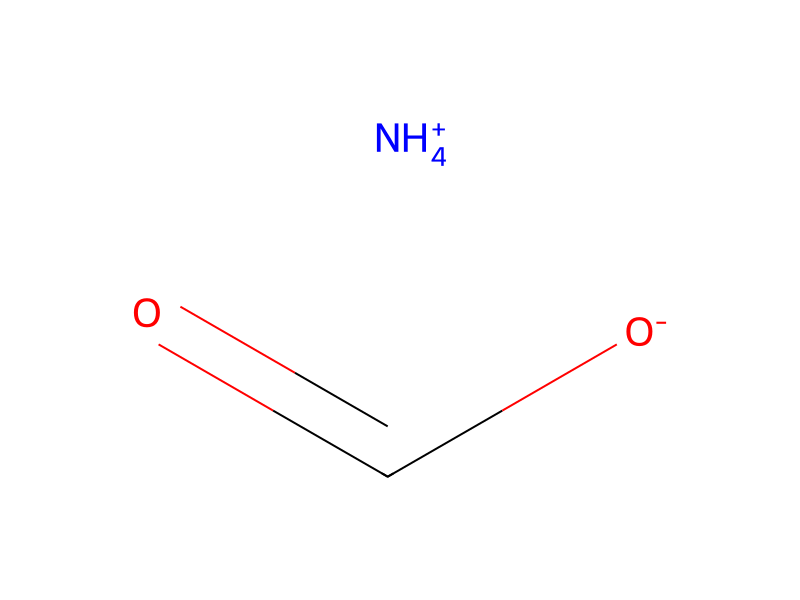
Cl[C:2]1[N:3]([CH2:30][CH2:31][CH3:32])[C:4](=[O:29])[C:5]2[NH:6][C:7]([C:11]3[CH:12]=[N:13][C:14]([NH:17][CH2:18][C:19]4[CH:24]=[CH:23][CH:22]=[C:21]([C:25]([F:28])([F:27])[F:26])[CH:20]=4)=[CH:15][CH:16]=3)=[N:8][C:9]=2[N:10]=1.C([O-])=O.[NH4+]>[Pd].CN(C=O)C>[CH2:30]([N:3]1[C:4](=[O:29])[C:5]2[NH:6][C:7]([C:11]3[CH:12]=[N:13][C:14]([NH:17][CH2:18][C:19]4[CH:24]=[CH:23][CH:22]=[C:21]([C:25]([F:26])([F:27])[F:28])[CH:20]=4)=[CH:15][CH:16]=3)=[N:8][C:9]=2[N:10]=[CH:2]1)[CH2:31][CH3:32]A mixture of 2-Chloro-1-propyl-8-[6-(3-trifluoromethyl-benzylamino)-pyridin-3-yl]-1,7-dihydro-purin-6-one (0.094 g, 0.2 mmol), Ammonium formate (0.256 g, 0.4 mmol), Pd/C (0.094 g) and DMF (4 ml) were stirred for 30 minutes at 60° C. The reaction mixture was cooled to room temperature and filtered through celite bed. The organic volatiles were evaporated and the residue was acidified with citric acid. The solid precipitated out was filtered to get pure 1-Propyl-8-[6-(3-trifluoromethyl-benzylamino)-pyridin-3-yl]-1,7-dihydro-purin-6-one as off white solid (16 mg, 40%). 1HNMR (400 MHz, DMSO d6): δ 0.84-0.90 (m, 3H); 1.66-1.73 (m, 2H); 3.94-3.99 (m, 2H); 4.65 (d, J=5.6 Hz, 2H); 6.66 (d, J=9.2 Hz, 1H); 7.55-7.79 (m, 4H); 8.13 (dd, J=8.8 Hz, 2.4 Hz, 1H); 8.30 (s, 1H); 8.78 (d, J=2.4 Hz, 1H); 13.56 (s, 1H)
불러오는 중…