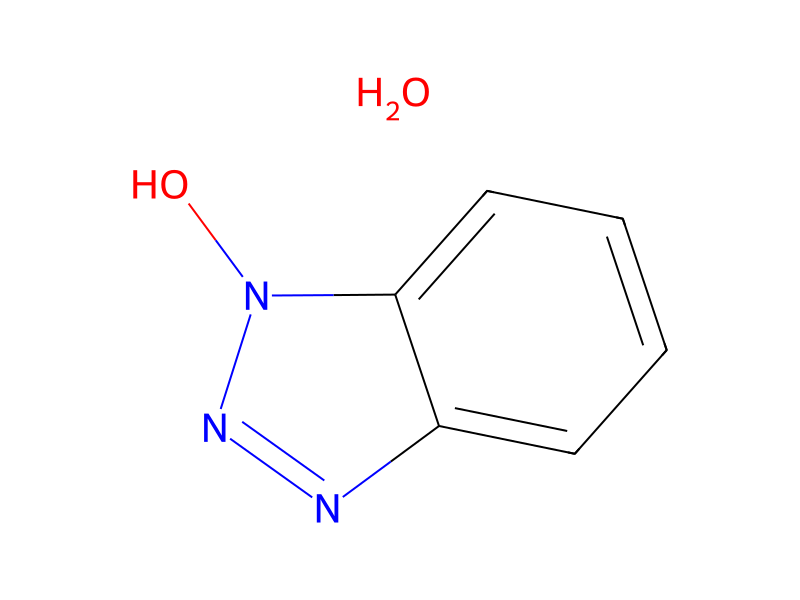
3,5-Dimethylpyrrole-2-carboxylic acid (99 mg, 0.71 mmol) was added to a pyridine (3 ml) solution of 3,4-diaminobenzophenone (150 mg, 0.71 mmol). 1-Ethyl-3-(3-dimethylaminopropyl)carbodiimide hydrochloride (149 mg, 0.78 mmol) and 1-hydroxybenzotriazole monohydrate (119 mg, 0.78 mmol) were further added, and the mixture was heated to 70° C. and stirred overnight. The reaction mixture was allowed to cool to room temperature with stirring, and then the solvent was evaporated. The residue was purified using medium pressure silica gel flash column chromatography (NH silica gel, chloroform:methanol=98:2). The residue was dissolved in acetic acid (3 ml), and stirred for 8 hours at 100° C. The reaction mixture was allowed to cool to room temperature with stirring, and then the solvent was evaporated. The residue was purified using medium pressure silica gel flash column chromatography (NH silica gel, chloroform:methanol=98:2), to afford 5-benzoyl-2-(3,5-dimethylpyrrol-2-yl)-benzimidazole (34 mg, 15% in two steps) as a yellow solid.