Sodium Hydroxide → 4-Cyano-3-(2,4-dichlorophenyl)-5-morpholin-4-ylthiophene-2-carboxylic acid
HRID 572601
반응식

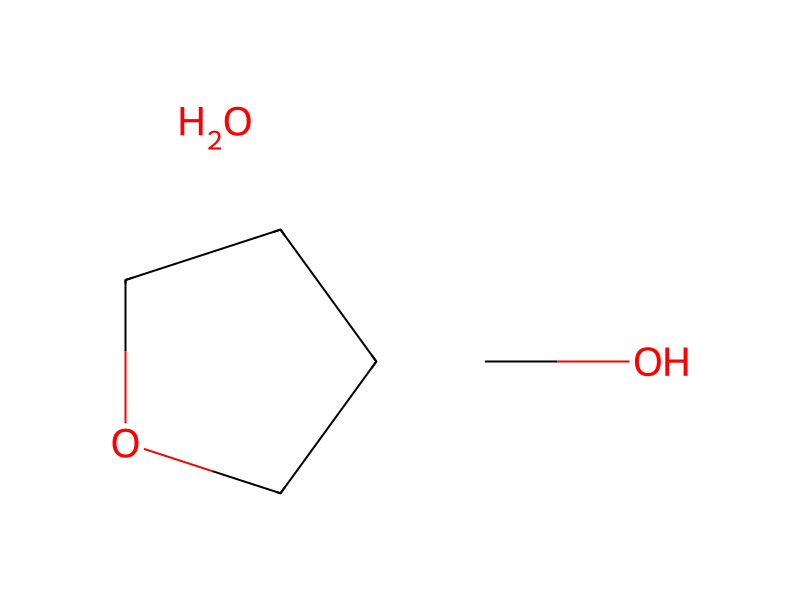
[C:1]([C:3]1[C:4]([C:19]2[CH:24]=[CH:23][C:22]([Cl:25])=[CH:21][C:20]=2[Cl:26])=[C:5]([C:14]([O:16]CC)=[O:15])[S:6][C:7]=1[N:8]1[CH2:13][CH2:12][O:11][CH2:10][CH2:9]1)#[N:2].[OH-].[Na+]>C1COCC1.CO.O>[C:1]([C:3]1[C:4]([C:19]2[CH:24]=[CH:23][C:22]([Cl:25])=[CH:21][C:20]=2[Cl:26])=[C:5]([C:14]([OH:16])=[O:15])[S:6][C:7]=1[N:8]1[CH2:9][CH2:10][O:11][CH2:12][CH2:13]1)#[N:2]참가 물질
4



실험 절차
To a solution of ethyl 4-cyano-3-(2,4-dichlorophenyl)-5-morpholin-4-ylthiophene-2-carboxylate (0.060 g, 0.15 mmol) in THF/MeOH/water (2:1:2) (5 mL) was added sodium hydroxide (0.061 g, 1.5 mmol). The reaction mixture was allowed to stir at rt for 20 h and was concentrated. The residue was acidified with 1N HCl and was extracted with EtOAc. The organic solutions were combined, washed with brine, dried over MgSO4, filtered and concentrated to give 4-cyano-3-(2,4-dichlorophenyl)-5-morpholin-4-ylthiophene-2-carboxylic acid (62) (0.034 g, 62%). LCMS: (FA) ES+ 382.9. 1H NMR (400 MHz, d6-DMSO) δ: 7.75 (d, 1H), 7.50 (dd, 1H), 7.39 (d, 1H), 3.74-79 (m, 4H) and 3.55-61 (m, 4H).