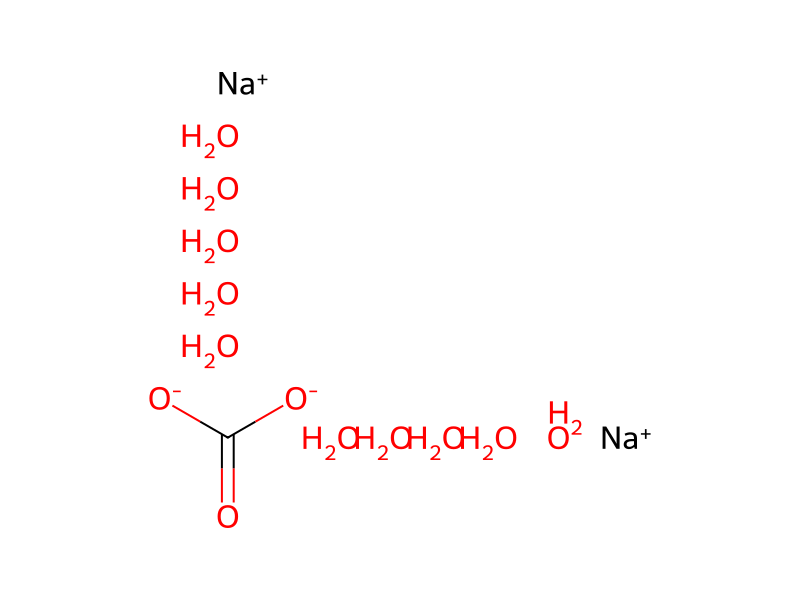
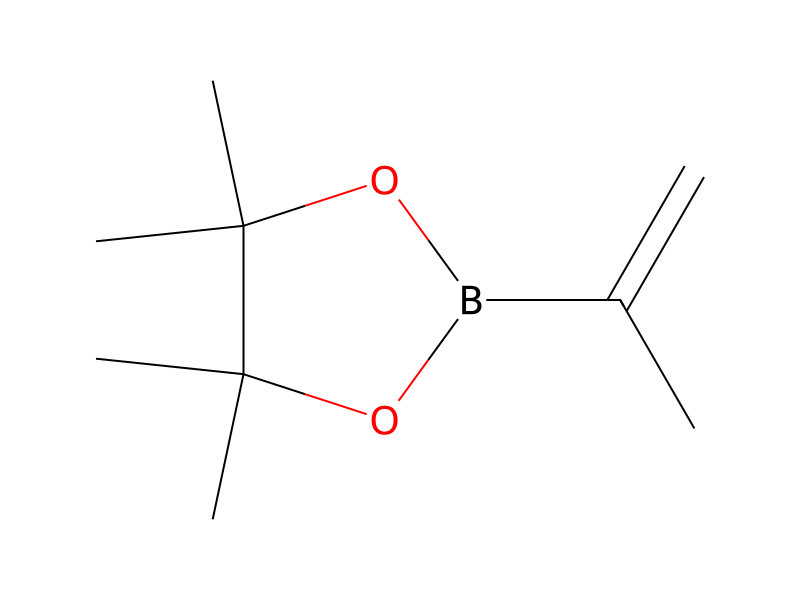
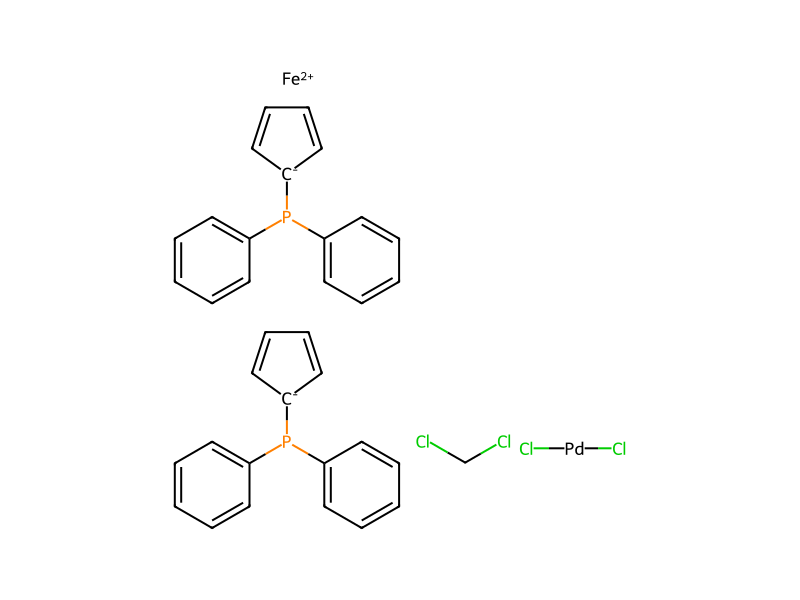
A mixture of [1,1′-bis(diphenylphosphino)ferrocene]dichloropalladium(II) dichloromethane adduct; 98.0 mass %, potassium acetate hydrate (7.4997 mmol; 3.7 mL), sodium carbonate decahydrate (7.4997 mmol; 3.7 mL), Acetonitrile (15 mL) and 3,5-dibromopyridine (4.9998 mmol; 1184.4 mg) in 2-isopropenyl-4,4,5,5-tetramethyl-1,3,2-dioxaborolane (4.9998 mmol; 840.0 mg; 0.940 mL) in a pressure tube was heated under microwave at 120° C. for 3 min. The mixture was cooled to room temperature. The layers were separated. The aqueous layer was extracted with EtOAc. The combined organic layer was concentrated. The residue was purified on silica eluted with 0 to 10% MeOH in DCM to afford 3-bromo-5-isopropenyl-pyridine as a dark tan solid (512.6 mg, 52%).