반응식

[C:1]([O:5][C:6]([NH:8][CH:9]1[C:18]2[C:13](=[CH:14][C:15]([C:20]([OH:22])=O)=[C:16]([CH3:19])[CH:17]=2)[S:12][CH2:11][CH2:10]1)=[O:7])([CH3:4])([CH3:3])[CH3:2].[NH2:23][C:24]1[CH:29]=[CH:28][N:27]=[CH:26][CH:25]=1.[I-].ClC1C=CC=C[N+]=1C>>[C:1]([O:5][C:6]([NH:8][CH:9]1[C:18]2[C:13](=[CH:14][C:15]([C:20]([NH:23][C:24]3[CH:29]=[CH:28][N:27]=[CH:26][CH:25]=3)=[O:22])=[C:16]([CH3:19])[CH:17]=2)[S:12][CH2:11][CH2:10]1)=[O:7])([CH3:3])([CH3:2])[CH3:4]참가 물질
4
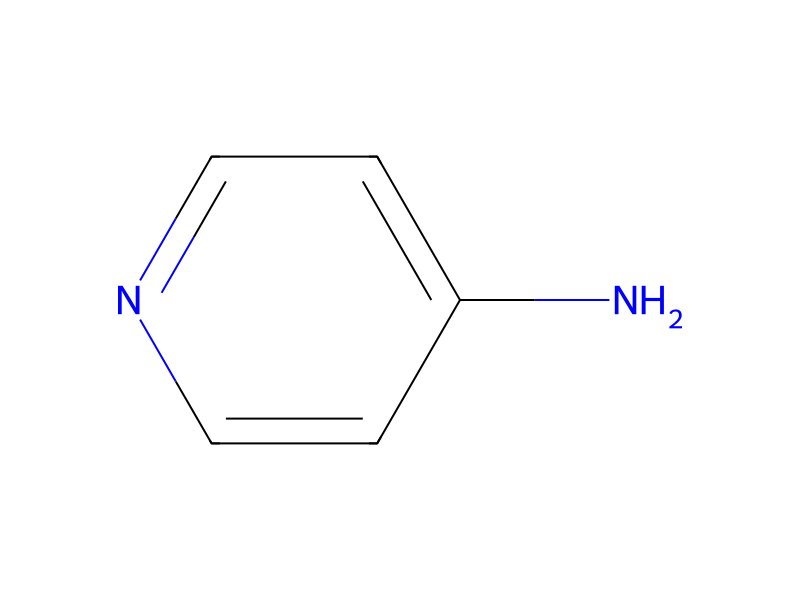


실험 절차
By a similar reaction operation as in Starting Material Synthetic Example 53 using 4-(tert-butoxycarbonylamino)-6-methylthiochromane-7-carboxylic acid (1.00 g), 4-aminopyridine (321 mg) and 2-chloro-1-methylpyridinium iodide (949 mg), the objective 4-(tert-butoxycarbonylamino)-6-methyl-N-(4-pyridyl)thiochromane-7-carboxamide (834 mg) was obtained as colorless crystals.
출처 및 근거
- ORD 기록
- ord-377a95a185fe48a086ff3b6818dac67d
- 출처 데이터셋
- uspto-grants-2005_08
- 특허 번호
- US06933305B2
연결된 노트
불러오는 중…