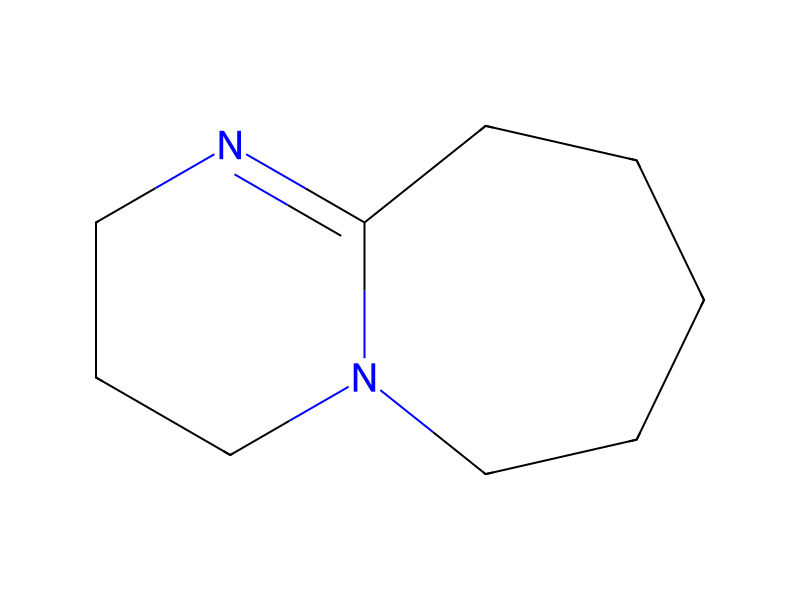
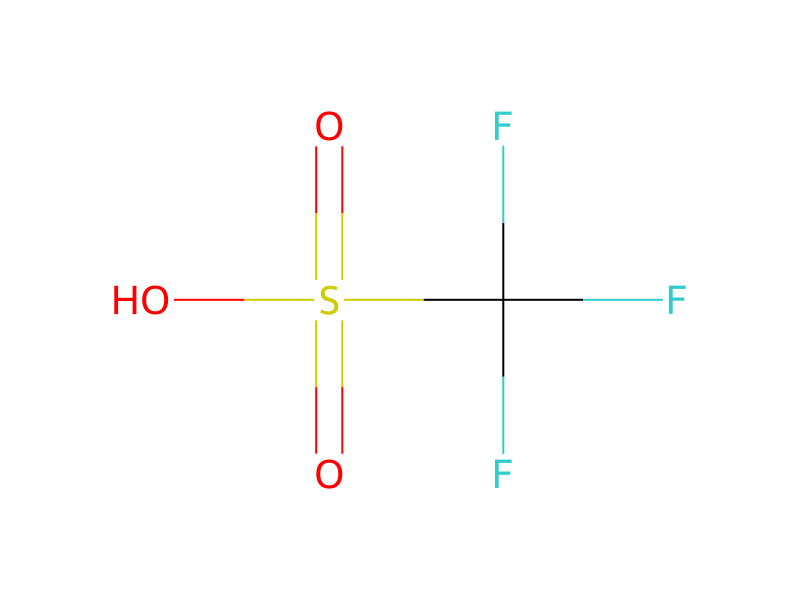
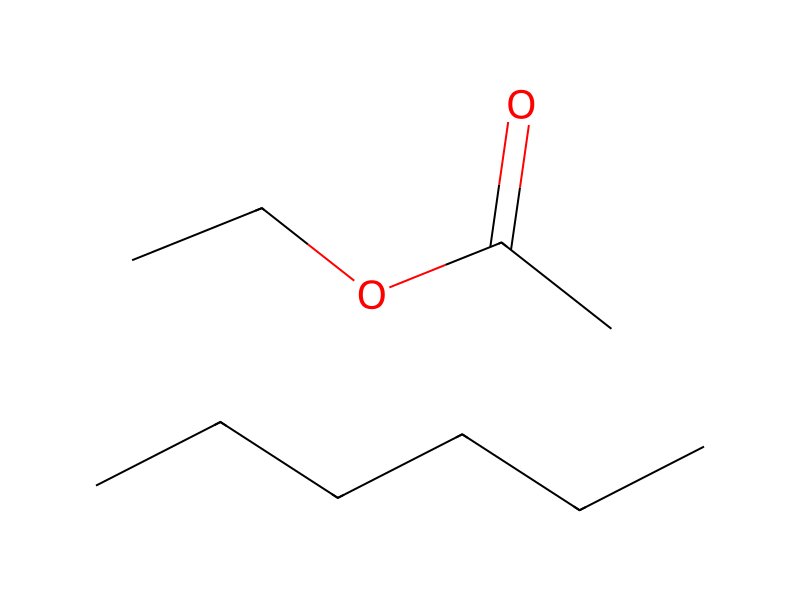
A 100-mL round-bottomed flask equipped with an overhead stirrer, a condenser and a thermocouple is charged with (Z)-2-Cyano-3-(5′-ethoxy-2′-methoxycarbonyl-4′-nitrophenyl)amino-2-propenoic acid t-butyl ester (2.5 g, 6.3 mmol) and acetonitrile (50 mL). The triflic acid (0.12 mL, 0.21 mmol) is added to the heterogeneous reaction medium. Upon disappearance of the starting material as evidenced by TLC (20% EtOAc/hexane), the DBU (4.0 mL, 4.25 mmol) is added to the reaction mixture. The reaction is then heated to reflux and monitored for completion (>95% by HPLC—Phenomenex 3 micron Phenyl-hexyl column (150×4.6 mm)). The reaction is then quenched with 10% HCl (100 mL) and diluted with water (400 mL). After stirring for 15 minutes at room temperature the suspension is filtered and the collected solid allowed to “air” dry. The collected solid is suspended in ethyl acetate (25 mL) at room temperature and filtered again and allowed to “air” dry. This procedure provides 1.15 g (70%) of the title compound as a beige solid that is >95% product by NMR integration. 1H NMR (300 MHz, DMSO-d6): 12.9 (s, 1H), 8.79 (s, 1H), 8.51 (s, 1H), 7.24 (s, 1H), 4.27 (q, J=7 Hz, 2H), 1.41 (t, J=7 Hz, 3H).