Benzenesulfonyl chloride → (3R)-N-{4'-[(Phenylsulfonyl)amino]biphenyl-4-yl}quinuclidine-3-carboxamide hydrochloride
HRID 588346
반응식

Cl.Cl.[NH2:3][C:4]1[CH:9]=[CH:8][C:7]([C:10]2[CH:15]=[CH:14][C:13]([NH:16][C:17]([C@@H:19]3[CH:24]4[CH2:25][CH2:26][N:21]([CH2:22][CH2:23]4)[CH2:20]3)=[O:18])=[CH:12][CH:11]=2)=[CH:6][CH:5]=1.[C:27]1([S:33]([Cl:36])(=[O:35])=[O:34])[CH:32]=[CH:31][CH:30]=[CH:29][CH:28]=1>N1C=CC=CC=1>[ClH:36].[C:27]1([S:33]([NH:3][C:4]2[CH:9]=[CH:8][C:7]([C:10]3[CH:11]=[CH:12][C:13]([NH:16][C:17]([C@@H:19]4[CH:24]5[CH2:23][CH2:22][N:21]([CH2:26][CH2:25]5)[CH2:20]4)=[O:18])=[CH:14][CH:15]=3)=[CH:6][CH:5]=2)(=[O:35])=[O:34])[CH:32]=[CH:31][CH:30]=[CH:29][CH:28]=1참가 물질
4
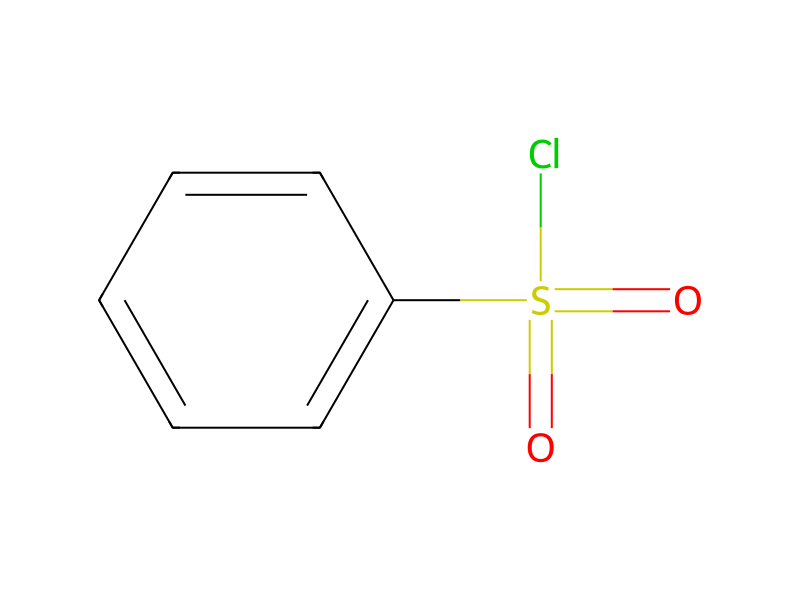



실험 절차
A solution of 80 mg (0.20 mmol) of ((3R)—N-(4′-aminobiphenyl-4-yl)quinuclidine-3-carboxamide dihydrochloride (Example 7A) and 71.7 mg (0.41 mmol) of phenylsulfonyl chloride in 1.0 ml of pyridine is stirred at room temperature for 18 h. The reaction mixture is concentrated in vacuo and the residue is purified by preparative HPLC. The product fractions are concentrated, mixed with 3 ml of 1 N hydrochloric acid, again concentrated and dried under high vacuum. 52 mg (51.5% of theory) of the title compound are obtained.