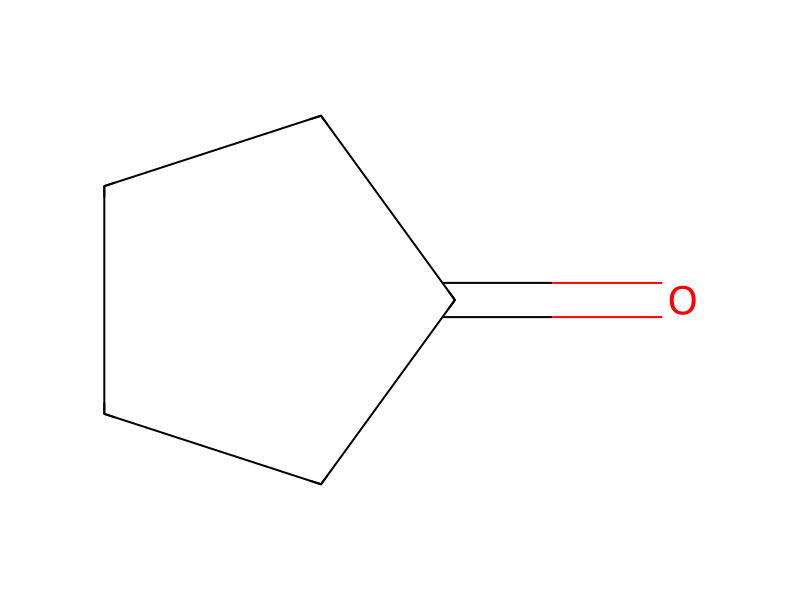
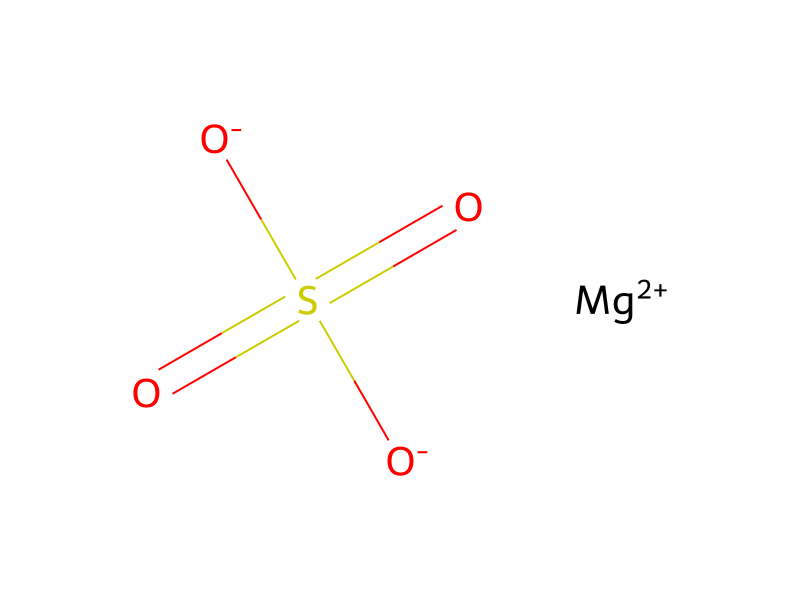
A mixture of 2-(4-chloro-2-ethoxymethyl-1H-imidazo[4,5-c]quinolin-1-yl)ethylamine (1.00 g, 3.28 mmol), cyclopentanone (0.32 mL, 3.6 mmol), and magnesium sulfate in dichloromethane was stirred at room temperature overnight. The mixture was filtered and the filtrate was concentrated under reduced pressure. The residue was dissolved in dichloromethane (20 mL) along with N-hydroxyethanimidoyl chloride, which was prepared from acetaldehyde oxime (242 mg, 4.10 mmol) and N-chlorosuccinimide (537 mg, 4.10 mmol) according to the method described in Part G of Example 10. The resulting solution was cooled in an ice bath and triethylamine (0.69 mL, 4.9 mmol) was added. The mixture was allowed to warm slowly to room temperature and stirred overnight. The work-up and purification procedures described in Part G of Example 10 were followed to provide 770 mg of 4-chloro-2-(ethoxymethyl)-1-[2-(3-methyl-1-oxa-2,4-diazaspiro[4,4]non-2-en-4-yl)ethyl]-1H-imidazo[4,5-c]quinoline as a clear, colorless oil.